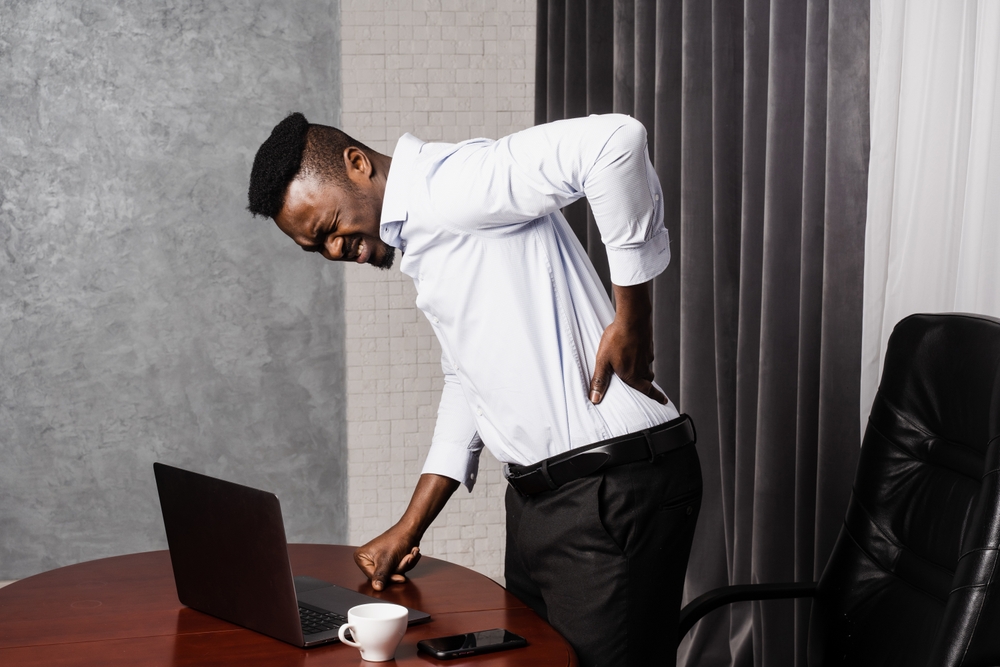
That sharp, shooting pain down your leg after a packed 6 train ride is hard to ignore. If you spend an hour or more sitting on hard subway seats each day, you may already know the discomfort of sciatica. It creeps in slowly, then settles into your lower back, hip, and leg.
You are not imagining it. Long stretches of sitting put real pressure on your spine and the sciatic nerve. The good news is that small changes can bring meaningful relief. This guide walks you through practical steps you can take before, during, and after your commute to protect your back and keep sciatica from taking over your day.
Why Sitting on the Subway Triggers Sciatica
Prolonged sitting compresses the discs in your lower spine. That pressure can irritate the sciatic nerve, the longest nerve in your body, running from your lower back down each leg.
Subway seats make it worse. They are hard, often at an awkward height, and the constant jostling forces your muscles to tense. Over time, this repeated strain can inflame the nerve and lead to a stubborn backache.
Research shows that sitting for long periods without breaks is strongly linked to lower back and nerve pain. Your body was built to move, not to stay locked in one position for a full commute.
Simple Ways to Ease Sciatica on Your Commute
You do not need special equipment to feel better. A few mindful habits can make a real difference in your daily backache relief.
Adjust How You Sit
How you position your body matters more than you might think.
- Keep both feet flat. Planting your feet evenly balances the weight across your hips and takes pressure off the nerve.
- Sit tall against the seat. Slouching curves your spine and pinches the sciatic nerve. A rolled scarf behind your lower back adds gentle support.
- Avoid crossing your legs. Crossing tilts your pelvis and strains one side of your lower back.
For more everyday habits that protect your spine, our guide to posture tips for desk workers offers easy adjustments that carry over to the subway.
Move When You Can
Standing is often kinder to your back than sitting. When the train is crowded, standing lets your spine stay in a more natural position.
If you have a long ride, shift your weight from foot to foot. Gentle movement keeps blood flowing and eases nerve pressure.
Stretch Before and After
A short stretch at each end of your trip can prevent stiffness from settling in.
- Knee-to-chest stretch: Loosens the lower back muscles that press on the nerve.
- Seated figure-four: Opens the hips and relieves tension along the sciatic path.
- Standing hamstring stretch: Reduces the pull on your lower spine.
These moves take only a few minutes and can meaningfully improve your backache relief over time.
When to See a Professional
Home remedies help many people. Still, some pain needs expert attention.
Reach out to a provider if your sciatica lasts more than a few weeks, worsens, or comes with numbness or weakness. These signs mean the nerve needs a closer look.
Skilled pain management doctors in New York can pinpoint the cause and build a plan made for your body. Whether it is guided physical therapy, targeted treatment, or in-home care, help is closer than you think. If leaving home is difficult, our at-home recovery support shows how care can come to you.
You do not have to push through the pain alone.
Take the Next Step Toward Lasting Relief
Your commute should not cost you your comfort. With better sitting habits, gentle movement, and the right support, sciatica does not have to control your days.
When you are ready for expert guidance, our compassionate pain management team is here to help you move with ease again. Reach out today by calling us at +1-718-367-2555 or walking into our clinic at 1797 Pitkin Avenue, Brooklyn, NY 11212 to explore a personalized Pain Management plan built around your needs.