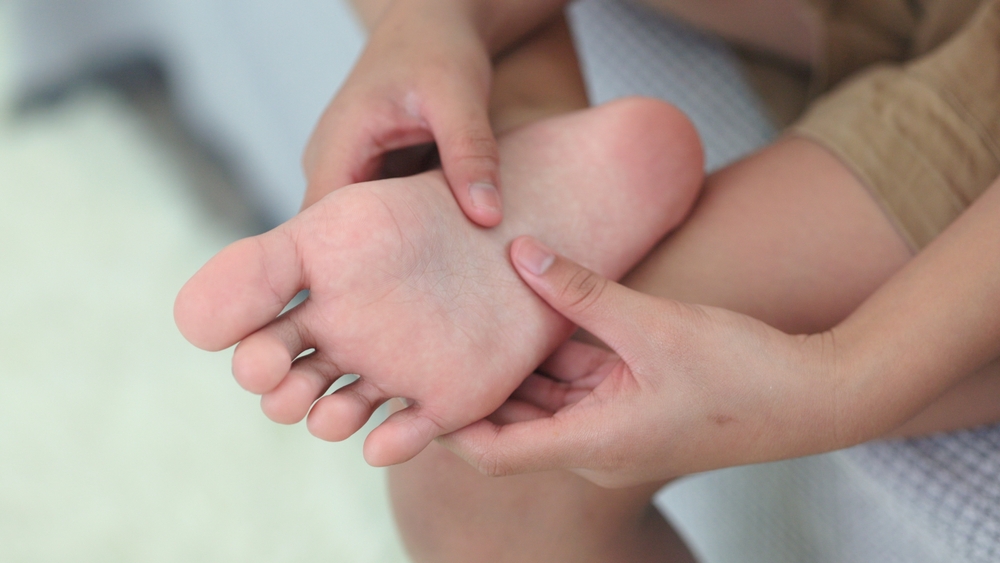
Every step on New York City concrete sends a jolt through your heel. You walk to the subway, stand on hard platforms, and log thousands of steps a day. Over time, that pounding takes a toll, and the sharp pain in your heel becomes hard to ignore.
You are not imagining it. Concrete offers zero give, and your feet absorb every ounce of shock. The good news is that effective heel pain treatment exists, and most people recover without surgery. This guide walks you through why NYC feet suffer, what you can do at home, and when it is time to call for help.
Why NYC Concrete Wrecks Your Heels
Hard surfaces are unforgiving. When you walk or stand for hours on concrete, the thick band of tissue along the bottom of your foot, called the plantar fascia, is repeatedly stressed. Tiny tears build up, and inflammation follows.
This condition, plantar fasciitis, is one of the most common causes of heel pain. If you are curious about how foot structure affects your family’s comfort too, our guide on pediatric flat feet care explains related risk factors.
Common triggers include:
- Long hours standing or walking. Teachers, nurses, and commuters are especially at risk.
- Worn-out shoes. Old soles lose the cushioning your heels depend on.
- Foot shape. Flat feet or high arches change how your weight lands.
Left untreated, that ache can turn into chronic pain that changes how you walk. The sooner you act, the faster you heal.
Heel Pain Treatment You Can Start at Home
Relief often begins with simple steps. Most people improve within a few months using care that never involves an operating room.
First-Line Self-Care
Try these gentle, proven approaches first:
- Rest and ice. Apply ice to your heel for 15 minutes, a few times a day, with a towel between skin and ice.
- Stretch daily. Loosen your calves, arches, and Achilles tendon to ease tension on the fascia.
- Wear supportive shoes. Choose thick soles, firm arch support, and deep heel cushioning. Skip flat shoes and barefoot walking on hard floors.
- Add orthotics. Store-bought or custom arch supports spread pressure more evenly.
When Home Care Is Not Enough
Sometimes rest and stretching only go so far. Current guidance suggests adding progressive strengthening early, and considering shockwave therapy if pain lingers beyond six weeks. Steroid injections are usually not a first step.
If your pain wakes you at night or refuses to fade, it is time to bring in a professional.
When to See a Foot Doctor
Persistent heel pain deserves expert eyes. A foot doctor can confirm the cause, rule out issues like stress fractures, and build a plan around your daily life in the city.
You should reach out to a foot doctor if:
- Pain persists beyond a few weeks despite home care.
- Your first morning steps are sharp and stabbing.
- Numbness, tingling, or swelling appears.
A skilled podiatrist in Brooklyn understands the unique strain city living puts on your feet. Whether you commute daily or stand all shift, a podiatrist in Brooklyn can tailor treatment to how you actually move.
Take the Next Step Toward Pain-Free Walking
You do not have to accept sore heels as part of city life. With the right heel pain treatment, most people walk comfortably again.
Our compassionate podiatry team is ready to help you heal on a schedule that fits your life. Reach out today by calling us at +1-718-367-2555 or walking into our clinic at 1797 Pitkin Avenue, Brooklyn, NY 11212 to book a visit through our Podiatry care services and take that first pain-free step.