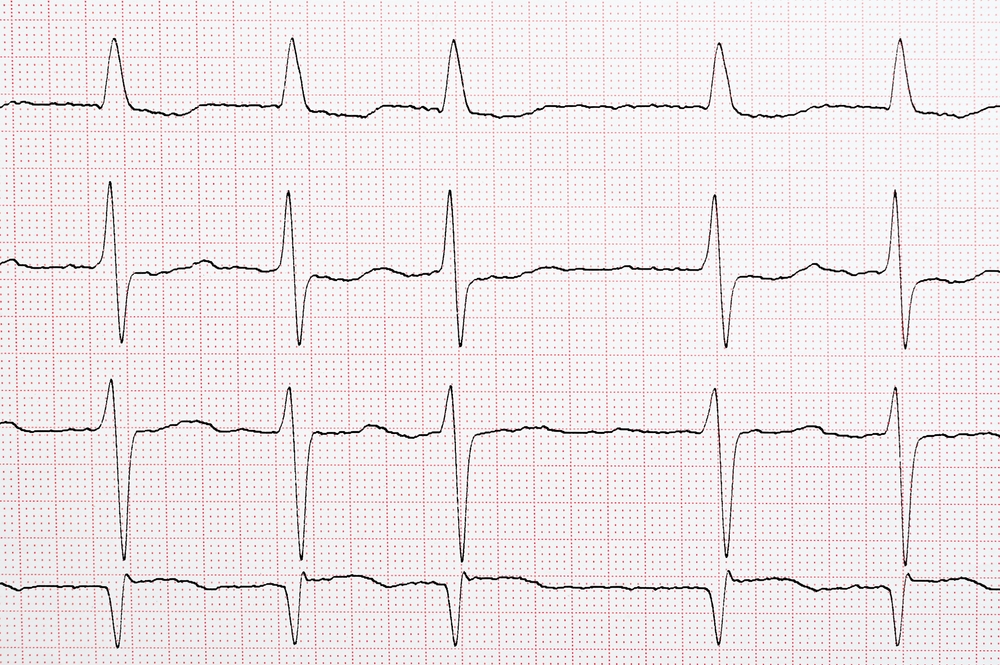
Atrial fibrillation (AFib) causes the heart’s upper chambers to beat irregularly, allowing blood to pool and form clots. These clots can travel to the brain and cause a stroke, raising stroke risk nearly five times compared to someone without AFib (American Heart Association, 2023). A structured care plan, including medication, monitoring, and lifestyle support, can lower that risk significantly.
Hearing that a parent or spouse has atrial fibrillation can bring a wave of questions you were not prepared for. What does an irregular heartbeat actually mean for their health? Is a stroke really more likely now? You want clear answers, not medical jargon, and you want to know your loved one is safe.
Atrial fibrillation is one of the most common heart rhythm disorders, affecting between 2.7 and 6.1 million people in the United States (Centers for Disease Control and Prevention, 2022). It is also one of the leading contributors to stroke. Understanding how AFib and stroke risk connect gives you the tools to act early and build a care plan that protects your family member’s health.
Why Does Atrial Fibrillation Increase Stroke Risk?
During atrial fibrillation, the heart’s upper chambers quiver instead of beating in a steady rhythm. This irregular motion allows blood to pool, particularly in a small pouch of the heart called the left atrial appendage. Pooled blood can form clots, and if a clot breaks loose, it can travel to the brain and block blood flow, causing a stroke.
This is not a rare complication. Nearly 1 in 7 strokes in the United States occurs in someone with atrial fibrillation. The connection between AFib and stroke is well established, which is why cardiologists treat rhythm control and stroke prevention as connected goals, not separate concerns.
What Are the Warning Signs Families Should Watch For?
AFib does not always cause noticeable symptoms, which makes awareness even more important. Watch for these signs in a loved one with a known or suspected heart rhythm issue:
- Irregular or racing heartbeat: A fluttering, pounding, or uneven pulse that comes and goes.
- Fatigue or weakness: Feeling unusually tired during normal activities.
- Shortness of breath: Difficulty breathing during light exertion or at rest.
- Dizziness or lightheadedness: A sign the heart may not be pumping efficiently.
- Sudden stroke symptoms: Facial drooping, arm weakness, or slurred speech require emergency care right away.
If you notice any combination of these symptoms, do not wait to see if they pass. Early evaluation gives your loved one’s care team the chance to intervene before a stroke happens.
How Does a Care Plan Lower Stroke Risk for AFib Patients?
A strong AFib care plan combines medical treatment with everyday support at home. Your loved one’s cardiologist will typically build a plan around a few core elements.
- Blood-thinning medication: Anticoagulants reduce clot formation and can lower stroke risk by about two-thirds in people with AFib.
- Heart rate and rhythm control: Medications or procedures help keep the heartbeat steady and manageable.
- Risk factor management: Controlling blood pressure, diabetes, and cholesterol reduces additional strain on the heart.
- Regular monitoring: Routine checkups and heart monitoring catch changes before they become emergencies.
- Lifestyle adjustments: Reducing alcohol intake, maintaining a healthy weight, and staying active all support heart rhythm stability.
Consistency matters most here. A care plan only works if it is followed day after day, which is often where families need the most support.
Take the Next Step Toward Peace of Mind
Watching a loved one manage a stroke risk condition like atrial fibrillation is not something you have to do alone. Our cardiology team works with families to monitor symptoms, support medication routines, and stay connected every step of the way. Reach out to us today by calling +1-718-367-2555 or visiting us at 1797 Pitkin Avenue, Brooklyn, NY 1121 to schedule a consultation and build a stroke prevention plan your family can trust.