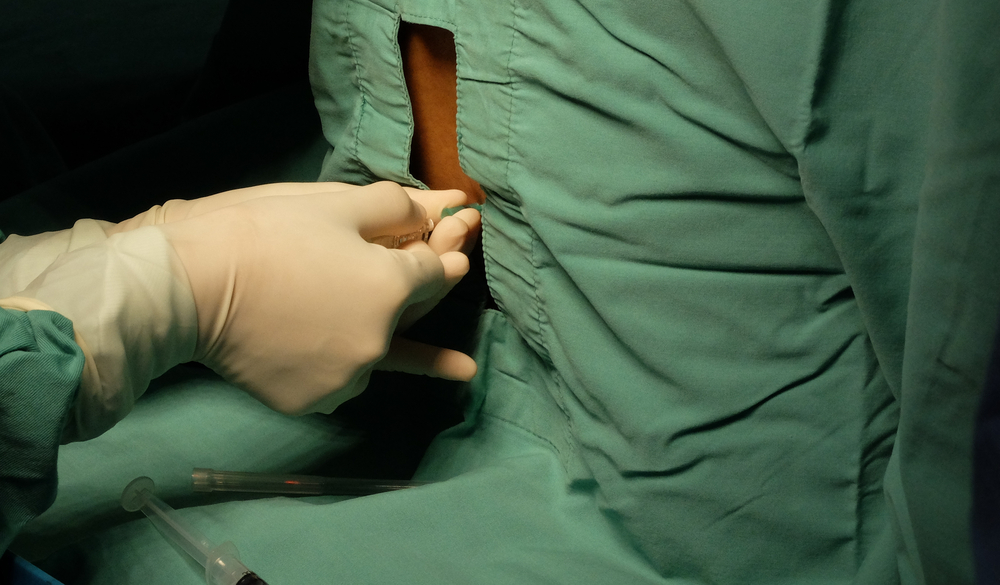
A lumbar puncture, also called a spinal tap, is a procedure where a doctor inserts a thin needle into the lower spine to collect cerebrospinal fluid for testing. Preparing involves reviewing medications with your doctor, staying hydrated, and arranging a ride home. Most patients feel a brief pinch and pressure during the procedure, followed by a short recovery period involving rest.
Hearing that a loved one needs a lumbar puncture can bring up a lot of questions, and a fair amount of worry. It’s completely normal to feel that way. This procedure, often called a spinal tap, helps doctors diagnose conditions ranging from infections to neurological disorders, and understanding what happens each step of the way can ease much of that anxiety.
This guide walks through lumbar puncture preparation, what actually happens during the procedure, and how to support recovery afterward. You will also learn when it may be time to bring in an infectious disease specialist for more focused care.
What Is a Lumbar Puncture, and Why Is It Performed?
A lumbar puncture involves inserting a needle between two vertebrae in the lower back to draw a small sample of cerebrospinal fluid. Doctors use this fluid to check for infections like meningitis, autoimmune conditions, or bleeding around the brain and spinal cord.
The results can also be a starting point for further care. If an infection is found, an infectious disease specialist may step in to determine the most effective treatment plan.
How Should You Prepare for a Lumbar Puncture?
Preparation is straightforward, and your care team will walk you through each step.
Before the day of the procedure, you can expect to:
- Review current medications with your doctor, especially blood thinners, which may need to be paused beforehand.
- Stay well hydrated in the days leading up to the appointment, since good hydration can make the fluid easier to collect.
- Arrange transportation home, since some patients feel lightheaded afterward and should not drive.
- Ask about fasting requirements, though most lumbar punctures do not require you to avoid food or drink.
Knowing what to expect ahead of time turns an unfamiliar procedure into a manageable one.
What Happens During the Spinal Tap Itself?
On the day of the spinal tap, you will lie on your side or sit leaning forward, which helps widen the spaces between the vertebrae. The doctor cleans the lower back and numbs the area with a local anesthetic.
Once the area is numb, a thin needle is guided into the space around the spinal cord to collect fluid. Many patients describe feeling pressure rather than sharp pain. The entire procedure typically takes 30 to 45 minutes, and the fluid is sent to a lab for analysis.
What Does Recovery Look Like After a Lumbar Puncture?
Recovery is usually quick, though your body needs a little time to adjust. You may be asked to lie flat for a period after the procedure to reduce the chance of a headache, which is one of the more common side effects.
In the days following, it helps to:
- Rest and avoid strenuous activity for at least 24 hours.
- Drink plenty of fluids to support your body’s recovery.
- Watch for signs of infection at the needle site, such as redness or swelling.
- Contact your doctor if a headache becomes severe or does not improve with rest.
Most people return to their normal routine within a day or two.
When Should You See an Infectious Disease Specialist?
If your lumbar puncture reveals signs of infection, your primary doctor may refer you to an infectious disease specialist. These specialists identify the exact organism causing the infection and recommend targeted treatment, which is especially important for conditions like meningitis that can progress quickly.
Families across Brooklyn are increasingly turning to local infectious disease doctors who coordinate closely with primary care providers and hospitals. This kind of teamwork ensures test results lead to fast, informed treatment decisions rather than delays.
Supporting Your Family Through Every Step
You do not have to navigate a lumbar puncture, or the days that follow, without support. Our infectious disease specialist team works alongside your family’s doctors to monitor recovery, manage medications, and answer questions as they come up. Reach out to us today by calling +1-718-367-2555 or visiting us at 1797 Pitkin Avenue, Brooklyn, NY 1121 to build a care plan that keeps your loved one comfortable and informed.