Tuberculosis testing includes two main options: the TB skin test (TST) and the TB blood test (IGRA). The skin test requires a follow-up visit 48 to 72 hours later, while the blood test delivers results from a single sample. Your doctor will recommend the right option based on your health history, prior vaccinations, and how quickly you need results.
Finding out you need tuberculosis testing can bring up a lot of questions, especially if you are unsure which option makes sense for you or your loved one. The good news is that both the skin test and the blood test are reliable, well-established tools that doctors have used for years to detect TB infection.
This guide breaks down how each test works, what to expect during the process, and how to decide which one fits your situation. By the end, you will feel more confident walking into your appointment and more prepared to talk with your care team.
What Is the Difference Between a TB Skin Test and a Blood Test?
Both tests check for exposure to the bacteria that causes tuberculosis, but they work in different ways.
How the TB Skin Test Works
The TB skin test, also called the Mantoux tuberculin skin test, involves injecting a small amount of testing fluid under the skin of your forearm. A healthcare provider then checks the injection site 48 to 72 hours later for a reaction, according to the Centers for Disease Control and Prevention (CDC). A raised bump of a certain size may indicate TB infection.
This test requires two visits: one for the injection and one for the reading. Missing the second visit means starting over.
How the TB Blood Test Works
The TB blood test, known as an interferon-gamma release assay (IGRA), only requires a single blood draw. A lab analyzes how your immune system responds to TB proteins. Results are typically available within a day or two, and there is no need to return for a second appointment.
Which Tuberculosis Test Should You Choose?
The right test often depends on your medical history and personal circumstances.
- Choose the skin test if cost is a concern, since it is generally less expensive and widely available.
- Choose the blood test if you have received the BCG vaccine, since the skin test can produce a false positive in people who were vaccinated.
- Choose the blood test if you need results quickly or cannot return for a follow-up visit.
- Choose the skin test if you are being tested as part of a routine screening program that already uses this method.
Feature | TB Skin Test | TB Blood Test |
Visits required | Two | One |
Results | 48 to 72 hours | 1 to 2 days |
Affected by BCG vaccine | Yes | No |
Cost | Lower | Higher |
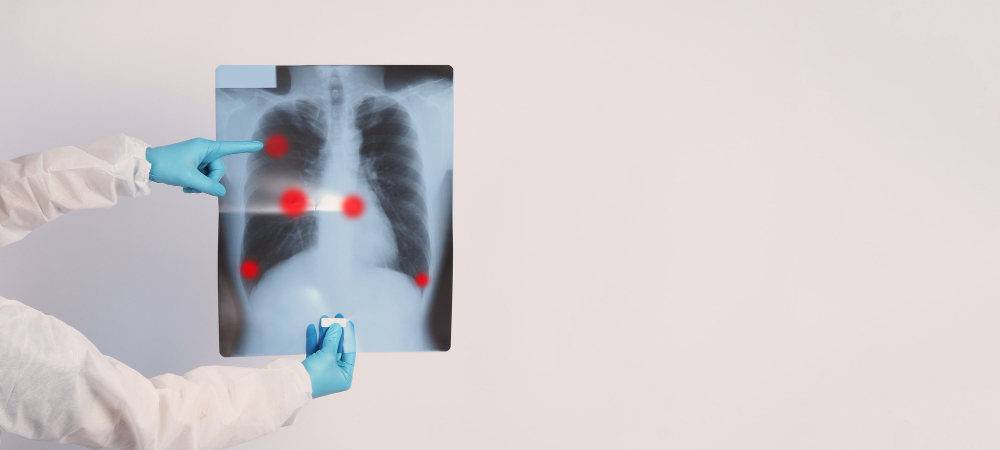
Neither test tells your doctor whether you have active TB disease. A positive result on either test means further evaluation, such as a chest X-ray, is needed to confirm the diagnosis, according to the World Health Organization (WHO).
What Happens After a Positive Tuberculosis Test?
A positive result does not always mean you are sick. It can mean your body has been exposed to TB bacteria at some point, even if the infection is inactive. Your doctor will follow up with imaging and additional testing to determine whether you have latent TB infection or active TB disease, and whether treatment is needed.
You do not have to interpret these results alone. A specialist can walk you through what a positive or negative result actually means for your health.
Get Answers About Your Tuberculosis Testing Results
Waiting for test results, or trying to understand what they mean, can feel stressful. You deserve clear answers and a care team that takes the time to explain your options.
Our infectious disease specialists will order the right tuberculosis test, interpret results accurately, and guide you through next steps. Reach out today by calling +1-718-367-2555 or visiting us at 1797 Pitkin Avenue, Brooklyn, NY 1121 to schedule an appointment and get the clarity you need.