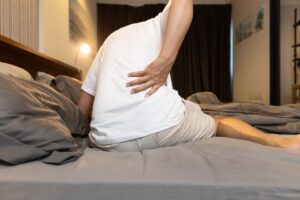
Even a gentle breeze hurts skin with CRPS because the condition disrupts how nerves send pain signals to the brain, a phenomenon known as allodynia. Normal sensations like light touch, air movement, or fabric brushing the skin get misread as painful. A pain management doctor can help calm this nerve response and reduce daily discomfort.
If you or someone you love lives with Complex Regional Pain Syndrome, you already know how confusing this condition can feel to explain to others. A light breeze from an open window. The brush of a bedsheet. A hand resting gently on your arm. These small, everyday sensations should feel like nothing at all. Instead, they can trigger sharp, burning pain that leaves you bracing for the next unexpected touch.
This reaction is not in your head, and it is not an overreaction. It has a name, and it has explanations rooted in how your nervous system works. Understanding why even a gentle breeze hurts skin with CRPS can help you feel less alone in what you are experiencing, and it can point you toward the right kind of care.
What Is Allodynia, and Why Does It Turn Touch Into Pain?
Allodynia is the medical term for pain caused by something that should not hurt at all. In CRPS, the nervous system becomes overly sensitive after an injury, surgery, or even a minor sprain. The nerves that normally carry gentle touch signals begin sending pain signals instead.
There are two common types you may notice:
- Static allodynia: Pain from light, steady pressure, such as clothing resting on the skin.
- Dynamic allodynia: Pain from movement across the skin, like a breeze, a light stroke, or a brushing motion.
Both types stem from the same root cause: a nervous system that has become miscalibrated after CRPS takes hold.
Why Even a Gentle Breeze Hurts Skin With CRPS
A breeze feels harmless to most people because their nerves correctly identify it as light touch. In CRPS, the signaling pathway between the skin and the brain gets disrupted. According to the National Institute of Neurological Disorders and Stroke, CRPS is believed to involve abnormal signaling within the peripheral and central nervous systems, along with inflammation and changes in blood flow near the affected area.
This means the nerve fibers responsible for detecting air movement send an exaggerated, distorted signal to your spinal cord and brain. Your brain interprets that signal as a threat, and it responds with pain, even though nothing is actually harming your skin. Over time, this heightened sensitivity can spread beyond the original injury site, which is one reason CRPS can feel unpredictable and frustrating to manage on your own.
How a Pain Management Doctor Approaches CRPS-Related Allodynia
A pain management doctor looks at CRPS from more than one angle, since no single treatment works the same way for everyone. Your care plan may include:
- Desensitization therapy: Gradual, controlled exposure to touch and temperature to help retrain nerve responses.
- Medication management: Nerve pain medications, topical treatments, or other options tailored to your symptoms.
- Nerve blocks: Targeted injections that can interrupt pain signals and offer relief.
- Physical therapy coordination: Movement-based approaches that help restore function without triggering flare-ups.
Because CRPS often changes over time, a pain management doctor will typically reassess your plan regularly rather than relying on a single fixed approach.
What Support Is Available at a Pain Management Clinic in Brooklyn?
If you are searching for consistent, coordinated care, a pain management clinic in Brooklyn can offer the specialized attention CRPS requires. These clinics often bring together diagnostic imaging, nerve testing, and individualized treatment planning under one roof, so you are not left piecing together care from multiple unconnected providers.
A pain management clinic in Brooklyn can also help you track symptom changes over time, which matters greatly with a condition like CRPS that can shift in severity from week to week.
You Do Not Have to Navigate CRPS Alone
Living with a condition that turns a gentle breeze into a painful event can feel isolating, especially when others struggle to understand it. You deserve care from a team that takes your symptoms seriously and builds a plan around your specific experience. Our Pain Management team is here to help you find answers and relief. Reach out today by calling +1-718-367-2555 or visiting us at 1797 Pitkin Avenue, Brooklyn, NY 1121 to schedule an evaluation and take the next step toward feeling more like yourself again.