Arrhythmia types range from harmless premature beats to more serious rhythm disorders like atrial fibrillation. Identifying skipped and extra beats early helps you understand whether your heart rhythm needs medical attention. If irregular beats happen often, or come with dizziness or chest pain, a cardiologist can determine the cause and recommend care.
Feeling your heart skip or add an extra beat can be unsettling, especially when it happens to someone you love. Your first instinct might be to worry that something is seriously wrong. In many cases, occasional skipped or extra beats are harmless and never need treatment. Still, understanding the different arrhythmia types helps you know when a fluttering feeling is nothing to worry about, and when it calls for a closer look. This guide walks through common arrhythmia types, explains how identifying skipped and extra beats works, and shares guidance on when it makes sense to reach out to a cardiologist for support.
What Are the Most Common Arrhythmia Types?
Arrhythmia types describe the different ways a heart can beat too fast, too slow, or out of rhythm. Some are minor and pass on their own. Others point to an underlying condition that needs ongoing care.
Arrhythmia Type | What It Feels Like | How Serious It Usually Is |
Premature Atrial Contractions (PACs) | An early beat from the heart’s upper chambers | Usually harmless |
Premature Ventricular Contractions (PVCs) | A strong thump or flip-flop feeling | Often harmless, sometimes needs monitoring |
Atrial Fibrillation (AFib) | A rapid, irregular flutter | Serious, raises stroke risk |
Bradycardia | A heartbeat that feels too slow | Can be serious depending on the cause |
Supraventricular Tachycardia (SVT) | A sudden racing heartbeat | Usually not life-threatening, but uncomfortable |
How Can You Tell the Difference Between Skipped and Extra Beats?
Identifying skipped and extra beats starts with paying attention to how the sensation actually feels.
What a Skipped Beat Feels Like
A skipped beat often feels like a brief pause, followed by a stronger thump. This happens because the heart’s electrical system fires early, then takes a moment to reset.
What an Extra Beat Feels Like
An extra beat feels like a flutter or a double thump in quick succession. It can catch you off guard, especially if you notice it while resting or lying down.
Keeping a simple log of when these sensations happen, how long they last, and what you were doing at the time gives a cardiologist valuable information during an evaluation.
When Should You Talk to a Cardiologist About Irregular Heartbeats?
Occasional skipped or extra beats are common and often harmless. Certain warning signs, though, deserve prompt attention from a cardiologist:
- Irregular beats that happen several times a day
- Dizziness, lightheadedness, or fainting alongside the irregular rhythm
- Chest pain, tightness, or shortness of breath
- A family history of heart rhythm disorders
- Irregular beats that started suddenly and feel new
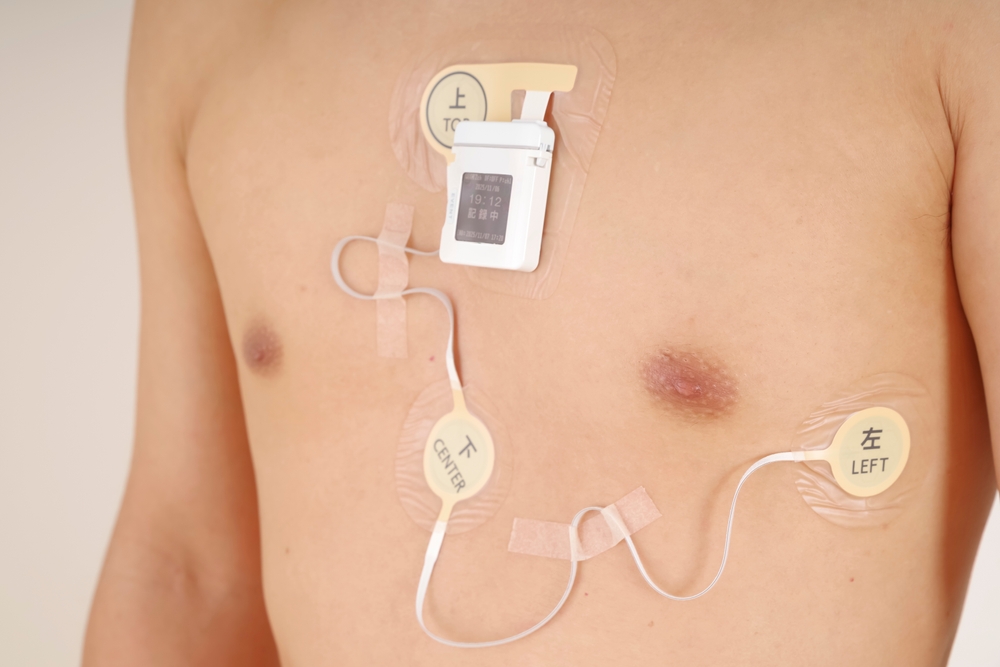
You are not overreacting by seeking answers. A cardiologist can run simple tests, such as an EKG or heart monitor, to see exactly what your heart is doing during these episodes.
Finding a Cardiology Clinic in Brooklyn for Ongoing Heart Care
If you or your loved one experiences frequent irregular beats, working with a cardiology clinic in Brooklyn offers the kind of hands-on, local support that eases the worry between appointments. A cardiology clinic in Brooklyn can coordinate testing, monitor changes over time, and adjust care as your family’s needs shift.
This kind of consistent relationship matters, particularly for elderly patients or those recovering from a recent cardiac event.
You Do Not Have to Manage Heart Concerns Alone
Irregular heartbeats can bring real worry into your daily life, especially when you are caring for someone else. Our Cardiology team can identify arrhythmia types, explain what they mean, and build a personalized care plan for your family. Reach out today by calling +1-718-367-2555 or visiting us at 1797 Pitkin Avenue, Brooklyn, NY 1121 to schedule an evaluation and start moving toward calmer, more confident days.