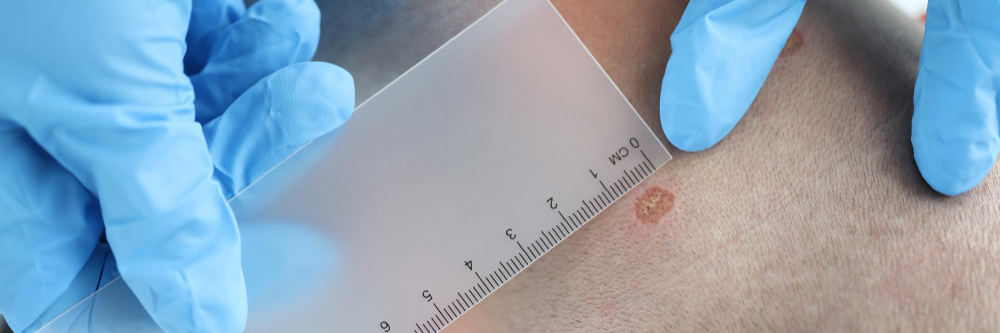
A skin swab identifies surface-level bacteria, fungi, or viruses, but it cannot examine tissue below the surface. When a rash is deep, unexplained, or resistant to treatment, doctors turn to tissue biopsy, requirements that call for a small sample of skin to be examined under a microscope, often with guidance from an infectious disease specialist.
A stubborn skin condition can leave you feeling stuck. You may have already had a swab test, only to receive results that do not explain what you are seeing or feeling. That uncertainty is exhausting, especially when the rash keeps spreading or refuses to heal.
This is often the point where doctors look beyond the surface. Understanding tissue biopsy requirements can help you feel more prepared for what comes next, and knowing when a skin swab isn’t enough can save you time on the path to an accurate diagnosis.
What Can a Skin Swab Tell Your Doctor?
A skin swab collects material from the surface of a lesion or rash. Lab technicians test this sample to identify bacteria, fungi, or viruses living on the skin. It is a quick, low-discomfort tool that works well for many common infections.
But a swab only captures what is on top. It cannot show what is happening in the deeper layers of tissue, which is where some of the more serious or unusual conditions take hold.
When a Skin Swab Isn’t Enough for an Accurate Diagnosis
Sometimes a swab comes back inconclusive, or the treatment based on its results simply does not work. That is often a sign your care team needs a closer look.
Signs You May Need a Tissue Biopsy
- The rash keeps spreading. Despite treatment, the affected area continues to grow.
- Symptoms are severe. Pain, swelling, or fever accompany the skin changes.
- Standard treatment fails. Prescribed creams or medications show no improvement after a reasonable trial period.
- The cause remains unclear. Swab results do not match what your doctor observes.
What Are the Tissue Biopsy Requirements Your Doctor Will Explain?
A tissue biopsy is a more detailed procedure than a swab, and your doctor will walk you through each step before it happens.
How the Biopsy Process Works
- Sample collection. A small piece of skin tissue is removed, often under local anesthesia.
- Lab analysis. Pathologists examine the tissue structure and test for specific organisms.
- Diagnosis confirmation. Results reveal what a swab could not, including deeper infections or unusual cell changes.
- Treatment planning. Your doctor builds a plan based on the exact cause identified.
Why You Might See an Infectious Disease Specialist for a Skin Concern
If a biopsy points to an infection that is difficult to treat, your doctor may refer you to an infectious disease specialist. This type of physician has advanced training in identifying and treating complex or resistant infections that general care providers may not encounter often.
An infectious disease specialist can also help when a rash suggests an underlying condition affecting your immune system, ensuring nothing is missed.
How Infectious Disease Doctors in Brooklyn Support Diagnosis
Local experience matters. Infectious disease doctors in Brooklyn regularly see patients with hard-to-diagnose skin conditions tied to the bacteria and fungi common in the area. If your case has not responded to standard care, a visit with infectious disease doctors in Brooklyn can bring answers faster.
Get Clear Answers About Your Skin Health Today
You do not have to keep guessing about a rash or skin concern that will not resolve. Our infectious disease specialists can help determine whether a swab, biopsy, or specialist referral is the right next step for you. Reach out today by calling +1-718-367-2555 or visiting us at 1797 Pitkin Avenue, Brooklyn, NY 1121 to schedule a visit and start moving toward a clear diagnosis.