Holter monitor wear involves wearing a small, portable device for 24 to 48 hours to record your heart’s electrical activity. This helps your cardiologist catch tracking 24 hour heart flares that a standard EKG might miss, such as irregular rhythms that come and go throughout the day. It’s a safe, noninvasive way to get a clearer picture of your heart health.
Heart symptoms don’t always show up on cue. You might feel a flutter in your chest during a morning walk, then feel perfectly normal by the time you reach your doctor’s office. That’s where Holter monitor wear comes in. This small wearable device tracks your heart’s activity continuously, giving your care team the data they need to catch irregularities that happen outside a typical appointment.
If your doctor has recommended this test, here’s what you should know about the process and why it matters.
What Is Holter Monitor Wear?
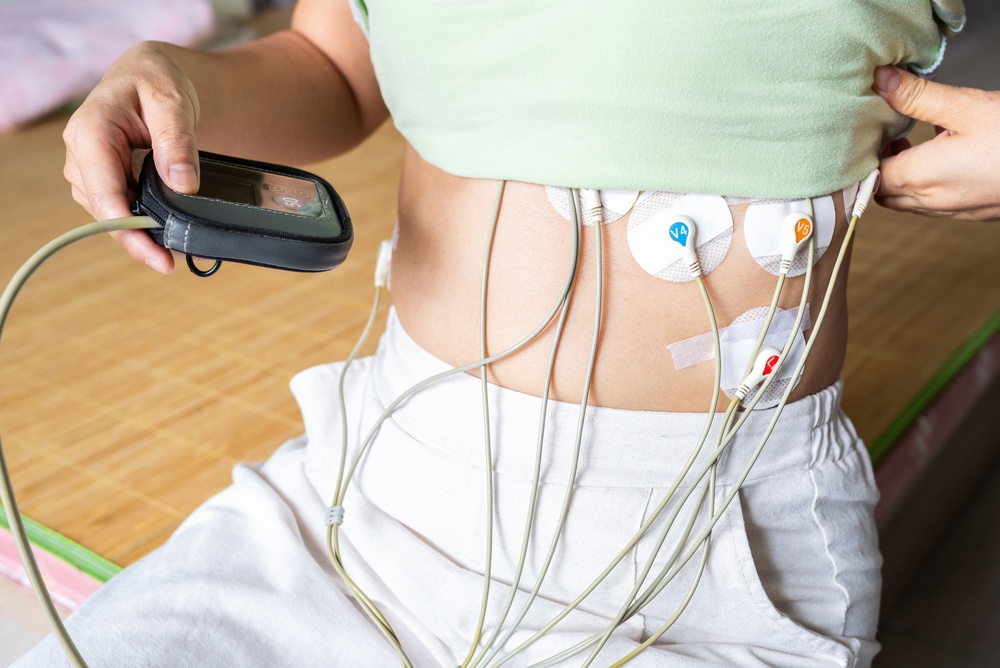
A Holter monitor is a compact, battery-powered device that records your heart’s electrical activity over an extended period, typically 24 to 48 hours. Unlike a standard EKG, which only captures a few seconds of heart activity, this device provides a continuous stream of data as you go about your normal routine.
Small electrodes are attached to your chest and connected to the monitor, which you can clip to your waistband or wear around your neck. It’s lightweight, discreet, and designed to fit comfortably under your clothing.
Why Tracking 24 Hour Heart Flares Matters
Many heart rhythm issues are intermittent. Symptoms like palpitations, dizziness, or shortness of breath may appear briefly and then disappear. Tracking 24-hour heart flares allows your cardiologist to correlate your symptoms with what’s actually happening in your heart at that exact moment.
This extended monitoring window can reveal patterns that a single office visit simply cannot capture, making it an essential tool for accurate diagnosis.
How Does Holter Monitor Wear Work?
The process is straightforward and requires no hospital stay. Here’s what typically happens:
- A technician places electrode patches on your chest and connects them to the monitor
- You wear the device continuously, including while sleeping, for the prescribed period
- You keep a simple diary noting any symptoms, activities, or medications
- You return the device to your cardiology clinic in Brooklyn for data analysis
- Your cardiologist reviews the recording and discusses results with you
Tips for Comfortable Holter Monitor Wear
A few small adjustments can make wearing the monitor easier:
- Wear loose, comfortable clothing that won’t disturb the electrodes
- Avoid showering or swimming while the device is attached, unless your monitor is waterproof
- Keep the device away from magnets and strong electrical equipment
- Note the exact time of any symptoms in your diary for accurate correlation
What Happens After the Test?
Once you return the monitor, the recorded data is analyzed and compared against your symptom diary. This helps your cardiologist determine whether your heart flares are linked to arrhythmias, or whether further testing is needed.
Results are usually available within a few days, and your care team will walk you through what the findings mean for your treatment plan.
Take the Next Step
Tracking 24-hour heart flares through Holter monitor wear gives your cardiologist the insight needed to catch problems that might otherwise go unnoticed. If you’ve been experiencing unexplained palpitations, dizziness, or irregular heartbeats, don’t wait for answers. Our Cardiology team is ready to help you understand what your heart is telling you. Reach out today by calling +1-718-367-2555 or visiting us at 1797 Pitkin Avenue, Brooklyn, NY 1121 to schedule a consultation and take a confident step toward lasting heart health.