Managing diabetic neuropathy starts with daily foot checks, proper footwear, and consistent blood sugar control. Because numb toes can hide injuries, protecting them means preventing cuts, blisters, and pressure sores before they happen. If you notice sores, color changes, or wounds that won’t heal, a podiatrist should examine your feet right away.
Diabetic neuropathy affects millions of people living with diabetes, and it often starts quietly in the feet. Managing diabetic neuropathy well means understanding how nerve damage changes the way your feet feel pain, heat, and pressure. Without that awareness, small injuries can turn into serious complications.
This guide covers what diabetic neuropathy is, how to protect numb toes with daily habits, and when it’s time to bring in a professional for extra support.
What Is Managing Diabetic Neuropathy?
Diabetic neuropathy is nerve damage caused by prolonged high blood sugar levels. Over time, this damage most commonly affects the nerves in the feet and legs, reducing sensation and making it harder to notice injuries.
Managing diabetic neuropathy involves more than treating symptoms. It requires a combination of blood sugar control, regular foot inspections, and protective daily habits that reduce the risk of complications like ulcers or infections.
Recognizing the Signs of Numb Toes
Numbness in the toes often develops gradually, so it helps to know what to watch for:
- Tingling or a “pins and needles” feeling
- Reduced ability to feel heat, cold, or pain
- Muscle weakness in the feet
- Balance issues while walking
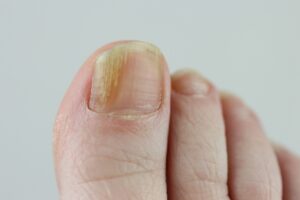
- Cuts or blisters that go unnoticed
Recognizing these signs early gives you a better chance to prevent injuries before they become serious.
How to Protect Numb Toes Day-to-Day
Learning how to protect numb toes is one of the most important parts of living well with diabetic neuropathy. Since numb toes can’t always signal pain from a cut or pressure sore, visual checks and preventive habits become essential.
Simple daily routines make a significant difference in reducing the risk of infection or injury.
Daily Foot Care Checklist
- Inspect your feet every day, including between the toes
- Wash feet with warm water and dry thoroughly
- Moisturize dry skin, avoiding the areas between toes
- Trim toenails straight across to prevent ingrown nails
- Wear clean, moisture-wicking socks
- Choose well-fitted shoes with cushioned support
- Avoid walking barefoot, even indoors
- Check the inside of shoes for debris before wearing them
Consistency matters more than perfection. A few minutes each day can prevent complications that take weeks to heal.
When to See a Podiatrist
Even with careful daily care, some situations call for professional attention. A podiatrist can evaluate nerve damage, monitor circulation, and catch problems that are easy to miss at home.
Consider scheduling a visit with a podiatrist if you notice:
- A wound or sore that hasn’t improved in a few days
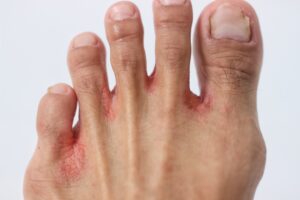
- Redness, swelling, or warmth around a cut
- Changes in foot shape or new calluses
- Persistent numbness that worsens over time
For anyone managing diabetic neuropathy, routine podiatry visits are a proactive way to catch issues early, before they require more intensive treatment.
Take the Next Step in Your Foot Care
Managing diabetic neuropathy is an ongoing process, but you don’t have to navigate it alone. Our podiatry team specializes in helping patients protect numb toes and maintain healthy, pain-free feet through personalized care plans. If you’re in the area, our podiatry clinic in Brooklyn offers thorough foot exams and expert guidance tailored to your specific needs. Reach out to us today by calling +1-718-367-2555 or visiting us at 1797 Pitkin Avenue, Brooklyn, NY 1121 to schedule a visit and take a confident step toward healthier feet.