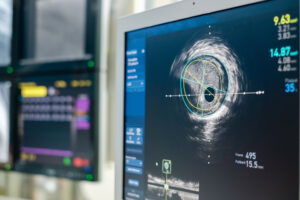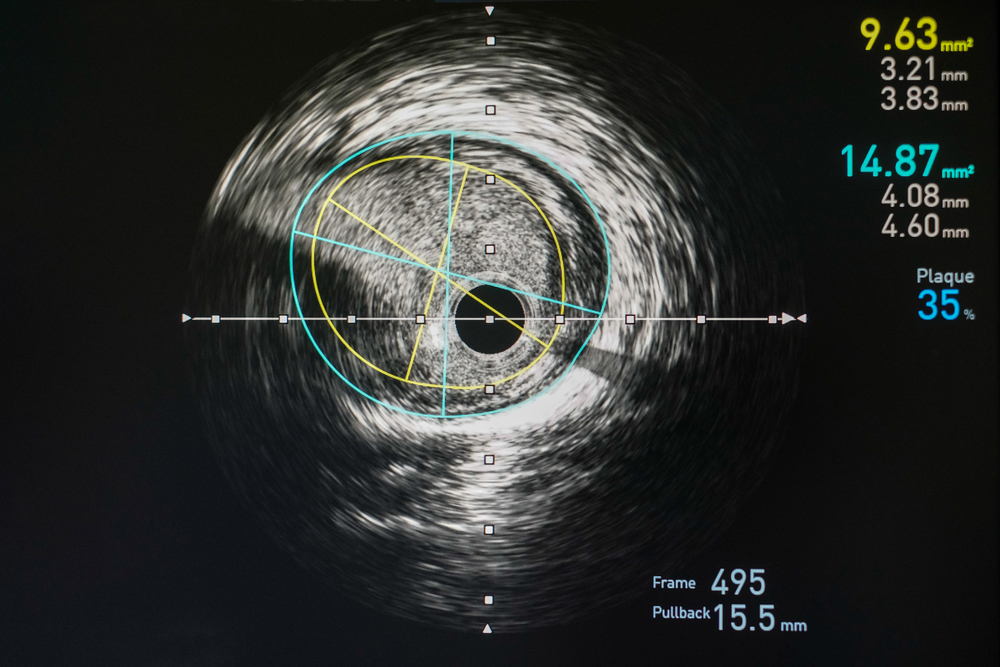
During an IVUS heart scan, a small ultrasound catheter is guided through a blood vessel to capture detailed images of the artery wall from the inside. The procedure typically takes 30 to 60 minutes, involves local anesthesia and mild sedation, and helps your care team detect blockages that standard imaging may miss.
Finding out you need a heart procedure can feel overwhelming, especially when the name sounds unfamiliar. If your doctor has mentioned IVUS heart scans, you are probably wondering what the process involves and whether it is safe. You are not alone in asking these questions, and understanding what happens during the procedure of IVUS heart scans can bring real peace of mind before your appointment.
This guide walks you through what to expect, step by step, so you can feel prepared and confident going into your visit.
What Is an IVUS Heart Scan?
IVUS stands for intravascular ultrasound. Unlike a traditional echocardiogram, which images the heart from outside the body, IVUS uses a thin catheter with a miniature ultrasound probe on its tip. This probe travels directly inside your coronary arteries, giving your care team a clear, cross-sectional view of the vessel wall.
This closer look allows a vascular specialist to see plaque buildup, measure artery narrowing, and confirm the placement of stents with far more precision than X-ray imaging alone.
What Happens During the Procedure of IVUS Heart Scans?
Knowing the sequence of events can ease a lot of the uncertainty. Here is what typically happens.
Before the Procedure
Your care team will review your medical history and explain the steps involved. You will receive local anesthesia at the catheter insertion site, usually in your wrist or groin. Mild sedation may also be given to help you relax, though you will remain awake throughout.
During the Procedure
Once you are comfortable, a thin catheter is inserted into the blood vessel and guided to the coronary artery using X-ray guidance. The IVUS probe then sends back real-time ultrasound images as it moves through the vessel. This part of the procedure usually takes between 30 and 60 minutes, depending on what your doctor needs to evaluate.
After the Procedure
The catheter is removed, and pressure is applied to the insertion site to prevent bleeding. Most patients rest for a few hours before going home the same day. Mild soreness at the insertion site is normal and typically fades within a day or two.
Why Might Your Vascular Specialist Recommend IVUS?
Your doctor may suggest this scan if standard imaging does not provide enough detail about your artery health. Common reasons include:
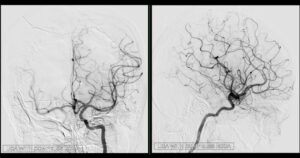
- Unclear blockages: When an angiogram cannot fully show the extent of a narrowed artery.
- Stent planning: To determine the correct stent size and ensure proper placement.
- Post-procedure checks: To confirm a stent is positioned correctly and functioning well.
- Unexplained chest pain: When symptoms suggest a blockage that other tests have not confirmed.
If you have been referred to a vascular clinic in Brooklyn for this evaluation, know that this step is often taken out of caution, not alarm. Your care team wants the clearest possible picture before making treatment decisions.
Is an IVUS Heart Scan Safe?
Complications are rare, and most patients tolerate the procedure well. Still, it helps to understand the possible risks:
- Minor bruising or bleeding at the catheter site
- A small chance of blood vessel injury
- Temporary changes in heart rhythm
- Rare allergic reactions to contrast dye, if used
Your vascular specialist will monitor you closely throughout the procedure and address any concerns immediately. Serious complications are uncommon, and the benefits of accurate diagnosis often outweigh the small risks involved.
Finding Relief
Learning you need an IVUS heart scan does not have to feel intimidating. With the right information and a trusted care team beside you, this procedure becomes just one more step toward protecting your heart health.
If you have questions about scheduling or want to speak with someone before your appointment, reach out to our Vascular team today by calling +1-718-367-2555 or visiting us at 1797 Pitkin Avenue, Brooklyn, NY 1121 to schedule a consultation. Our team is here to walk you through every step, answer your questions, and make sure you feel supported from your first visit through recovery.