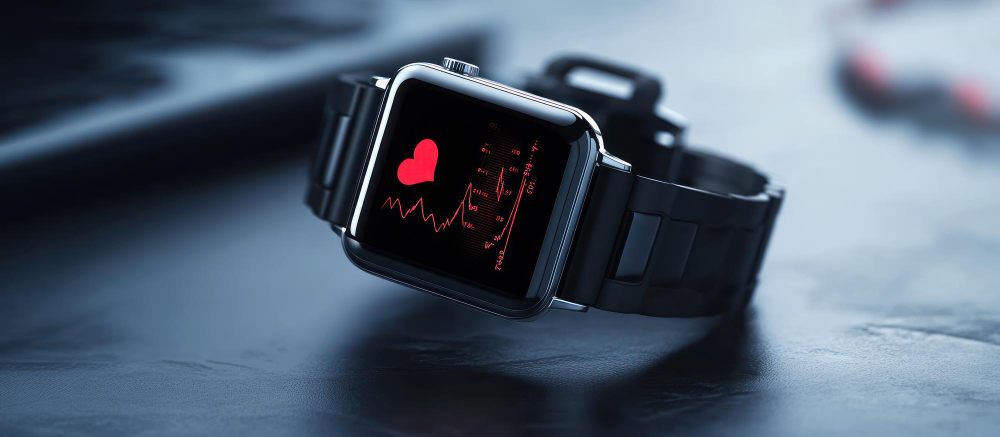
Wearables and irregular pulses often go hand in hand, since many smartwatches now flag irregular heart rhythms during daily wear. Knowing when to call your doctor for an irregular heartbeat can prevent a minor concern from becoming a medical emergency. RoadL’s Care Department helps families interpret these alerts and connect with the right care quickly.
Your smartwatch just buzzed with an irregular rhythm notification. Your first thought is probably worry, and that reaction makes sense. Wearables and irregular pulses are becoming a common topic for families trying to understand what these alerts actually mean.
This article walks through what your wearable data is really telling you, when to call your doctor for an irregular heartbeat, why National Atrial Fibrillation Awareness Month matters, and how RoadL’s Care Department can support your family through the process.
Wearables and Irregular Pulses: What the Data Actually Means
Modern wearables track your heart rate using light sensors pressed against your skin. When your pulse falls outside a typical rhythm, the device flags it as irregular.
This does not automatically mean something is wrong. Wearables and irregular pulses are frequently linked to temporary factors like stress, dehydration, caffeine, or poor sensor placement. A single alert is rarely cause for alarm.
Understanding False Alerts vs. Real Warning Signs
Movement during a workout or a loose-fitting band can trigger a false reading. Your device may also misread your pulse if your skin is cold or your wrist is positioned awkwardly.
Real warning signs look different. Repeated alerts over several days, alerts paired with dizziness or chest discomfort, or a resting heart rate that stays unusually high all deserve closer attention. Patterns matter more than a single notification.
When to Call Your Doctor for Irregular Heartbeat
Knowing when to call your doctor for an irregular heartbeat comes down to frequency and accompanying symptoms. A one-time alert with no other symptoms can usually wait for a routine appointment.
Call your doctor sooner if you notice:
- Repeated irregular alerts. Multiple notifications across several days point to a pattern worth reviewing.
- Shortness of breath. Difficulty breathing alongside an irregular pulse should not be ignored.
- Chest pain or pressure. This combination warrants prompt medical attention.
- Fainting or severe dizziness. These symptoms suggest your heart rhythm may be affecting blood flow.
- Fatigue that does not improve with rest. Ongoing tiredness paired with pulse alerts is worth discussing with your care team.
What to Share With Your Doctor
Bring your wearable data to the appointment. Screenshots of the irregular readings, the times they occurred, and any symptoms you felt help your doctor understand the full picture. This information supports faster, more accurate cardiology awareness and diagnosis.
Why National Atrial Fibrillation Awareness Month Matters
National Atrial Fibrillation Awareness Month takes place every September. It exists to help families recognize the signs of atrial fibrillation before complications like stroke occur.
This observance matters because an irregular heartbeat often goes undiagnosed until a serious event forces the issue. National Atrial Fibrillation Awareness Month encourages regular check-ins with your doctor and supports broader cardiology awareness at the community level, especially for families managing wearables and irregular pulses at home.
How RoadL’s Care Team Can Help
You do not have to interpret confusing wearable alerts on your own. RoadL’s Care Team connects families with qualified medical professionals who can review your heart rhythm data and recommend next steps.
Our team supports ongoing cardiology awareness by helping families understand what symptoms require urgent attention versus routine follow-up. Emotional reassurance is part of every visit, so you are never left guessing about what comes next.
Moving Forward With Confidence
Wearables and irregular pulses can feel confusing, but you are not expected to sort through the data alone. Small patterns noticed early can lead to timely conversations with your doctor and better outcomes for your loved one.
If your wearable has flagged an irregular pulse, reach out to RoadL’s Care Team today by calling +1-718-367-2555 or visiting us at 1797 Pitkin Avenue, Brooklyn, NY 1121 to schedule an evaluation. Our team is ready to help you understand the data and find the right next step.