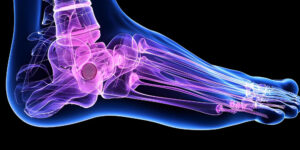
If you have been told you need flatfoot reconstruction, you are probably wondering what that really means for your daily life. Flatfoot reconstruction is a surgical option that can restore the arch of the foot when tendons weaken over time. One of the most effective approaches involves tendon transfers, a technique many patients ask about during their first visit with a podiatrist. Understanding how tendon transfers restore arches can help you feel more confident about what to expect from treatment and recovery.
What Causes Flatfoot to Develop in Adults?
Flatfoot in adults often develops slowly. The posterior tibial tendon, which supports the arch, can weaken from overuse, injury, or age-related wear. Once this tendon can no longer do its job, the arch begins to collapse inward.
You might notice:
Pain along the inside of the ankle or foot
Swelling that worsens with activity
A visible flattening of the arch when standing
Difficulty walking long distances without discomfort
These symptoms tend to build gradually, which is why many people wait longer than they should before speaking with a podiatrist. Early evaluation can prevent the condition from progressing to a point where surgery becomes the only option.
How Tendon Transfers Restore Arches During Surgery
Flatfoot reconstruction using tendon transfers works by borrowing a healthy, functioning tendon from elsewhere in the foot and rerouting it to support the arch. This new tendon takes over the job the damaged posterior tibial tendon can no longer perform.
The Surgical Process
During the procedure, your surgeon removes the damaged portion of tissue and repositions a nearby tendon, most often the flexor digitorum longus, to rebuild support beneath the arch. In many cases, this step is paired with bone realignment procedures to ensure the foot sits in a stable, natural position.
This is the core of how tendon transfers restore arches. The transferred tendon essentially assumes a new role, giving your foot the structural support it lost.
What Recovery Looks Like
Recovery is gradual and requires patience. Most patients spend several weeks in a cast or boot before transitioning to supportive footwear and physical therapy. Full recovery can take four to six months, depending on the extent of the reconstruction.
Your podiatrist will guide you through each phase, adjusting your plan based on how your foot responds to treatment.
Who Is a Good Candidate for Flatfoot Reconstruction?
Not everyone with flatfoot needs surgery. Many cases respond well to orthotics, bracing, or physical therapy. Flatfoot reconstruction is typically recommended when nonsurgical treatments have failed to relieve pain or when the arch has collapsed significantly.
A thorough evaluation at a podiatry clinic in Brooklyn can help determine whether tendon transfer surgery is the right next step for your specific situation. Imaging, gait analysis, and a review of your symptoms all play a role in that decision.
Take the Next Step Toward Relief
Living with flatfoot pain can limit the things you enjoy most, from walking with family to standing comfortably at work. You do not have to manage it alone. Our podiatry team works closely with patients to determine whether flatfoot reconstruction and tendon transfer surgery can help restore comfort and mobility. Reach out to us today by calling +1-718-367-2555 or visiting us at 1797 Pitkin Avenue, Brooklyn, NY 1121 to schedule an evaluation and take the first step toward lasting relief.