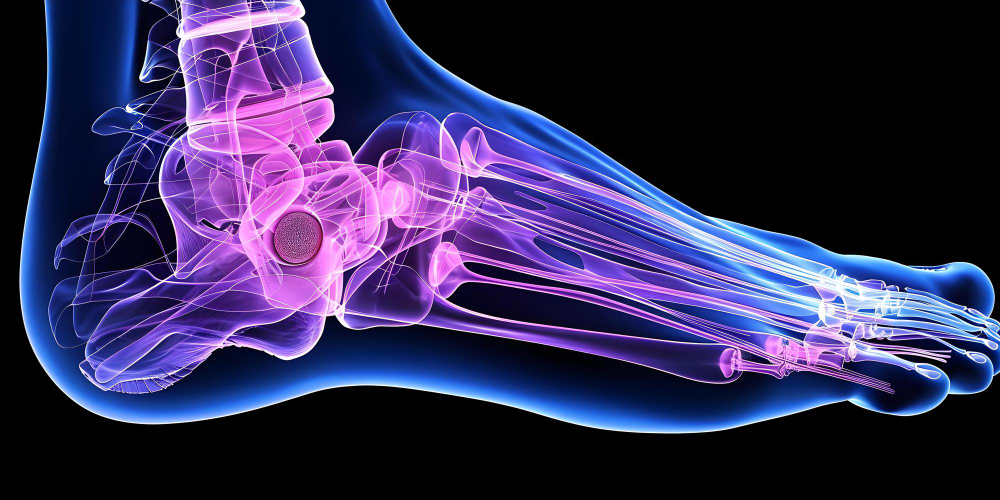
Endoscopic plantar fasciotomy is a minimally invasive surgical procedure that releases a portion of the plantar fascia to relieve chronic heel pain. It is typically recommended when stretching, orthotics, and other conservative treatments fail to bring relief after several months. Most patients return to normal activity within six to eight weeks.
Heel pain that lingers for months can make walking, standing, and even simple morning routines feel exhausting. If you have tried rest, stretching, night splints, and custom orthotics without lasting relief, you may be dealing with plantar fasciitis that has become resistant to conservative care. In these cases, a podiatrist may recommend endoscopic plantar fasciotomy, a minimally invasive procedure designed to relieve pressure on the plantar fascia and restore pain-free movement. Understanding how this surgery works and what recovery looks like can help you feel more confident discussing your options.
When Does Plantar Fasciitis Require More Than Conservative Care?
Plantar fasciitis develops when the band of tissue connecting your heel to your toes becomes inflamed from repeated strain. For many patients, rest, stretching exercises, and supportive footwear resolve the pain within a few months.
But some cases do not respond this way. You may notice:
- Sharp heel pain that persists despite months of stretching and orthotics
- Pain that returns quickly after activity, even light walking
- Limited improvement from injections or physical therapy
- Heel pain that is starting to affect your daily routine and mobility
When these symptoms continue past six to twelve months of consistent conservative treatment, it may be time to talk with a podiatrist about surgical options.
How Does Endoscopic Plantar Fasciotomy Relieve Chronic Heel Pain?
Endoscopic plantar fasciotomy addresses the root cause of persistent heel pain by releasing tension in the plantar fascia. Because it uses a minimally invasive approach, this procedure typically involves less scarring and a faster recovery than traditional open surgery.
The Surgical Process
During endoscopic plantar fasciotomy, your surgeon makes one or two small incisions near the heel and inserts a tiny camera to guide the release of a portion of the plantar fascia. This targeted release reduces tension on the tissue without requiring a large incision, which is why many patients experience less postoperative discomfort.
What Recovery Looks Like
Most patients wear a surgical boot for two to three weeks following endoscopic plantar fasciotomy. Light walking often resumes within a few days, and many people return to regular shoes and normal activity within six to eight weeks. Your podiatrist will monitor your healing and adjust your recovery plan based on your progress.
Who Is a Good Candidate for This Procedure?
Not everyone with heel pain needs surgery. Endoscopic plantar fasciotomy is generally reserved for patients who have completed at least six months of conservative treatment without meaningful relief.
A thorough evaluation at a podiatry clinic in Brooklyn can help determine whether this procedure fits your situation. Your podiatrist will review your treatment history, assess symptom severity, and discuss your activity level before recommending next steps.
Take the Next Step Toward Pain-Free Movement
Living with chronic heel pain can wear you down, especially after months of trying treatments that have not worked. You do not have to keep pushing through the pain on your own. Our podiatry team connects with patients to determine whether endoscopic plantar fasciotomy is the right path toward lasting relief. Reach out to us today by calling +1-718-367-2555 or visiting us at 1797 Pitkin Avenue, Brooklyn, NY 1121 to schedule an evaluation and take the first step toward comfortable, pain-free days.