Zero-drop footwear for seniors can increase fall risk for those with weakened ankle strength, poor balance, or limited sensation in the feet. These minimalist shoes remove the cushioned heel lift that many older adults rely on for stability. A podiatrist can assess your loved one’s gait and foot health before recommending this style of shoe.
Watching a parent or spouse struggle with their balance is frightening. You want them to feel steady on their feet, and you want shoes that support that goal rather than work against it.
Zero-drop footwear has grown popular for its natural foot positioning and lightweight feel. But for older adults, a shoe trend that works well for a 30-year-old runner does not always translate safely to someone managing arthritis, neuropathy, or age-related muscle loss.
This guide walks through what zero-drop shoes are, whether minimalist footwear raises fall risk, and how a podiatrist can help your family make the right choice. If mobility and fall prevention are part of your loved one’s home care plan, this is worth reading before the next shoe purchase.
What Is Zero-Drop Footwear, and Why Does It Matter for Seniors?
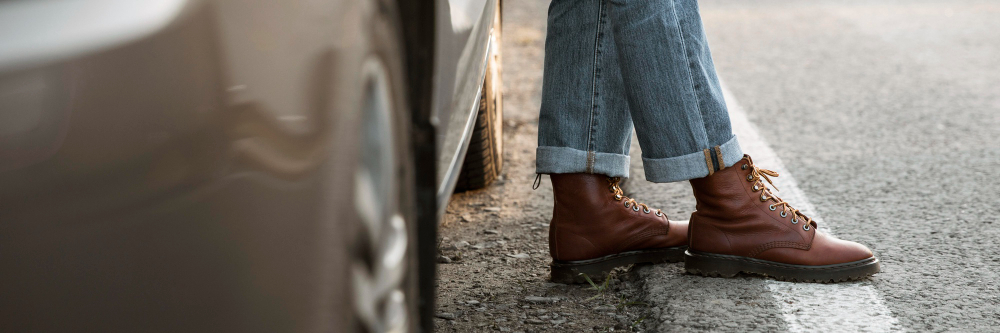
Zero-drop footwear refers to shoes where the heel and the toe sit at the same height from the ground, with no elevated heel. This design encourages a more natural foot strike and can strengthen the muscles of the foot and lower leg over time.
For younger, active wearers, that extra muscle engagement can be a benefit. For your loved one, it may ask more of muscles and joints that have already weakened with age.
How Do Minimalist Shoes Affect Balance in Older Adults?
Minimalist shoes typically have thin soles and little cushioning. This reduces the cushioning between the foot and the ground, which some wearers find improves ground feel and proprioception.
However, reduced cushioning also means less shock absorption. According to the American Podiatric Medical Association, older adults often experience diminished sensation in the feet due to conditions like diabetic neuropathy, making it harder to detect uneven surfaces through a thin sole. That reduced feedback, combined with less structural support, is where fall risk can increase.
Do Minimalist Shoes Increase Fall Risks for Seniors?
The honest answer is that it depends on the individual. Zero-drop footwear for seniors is not automatically unsafe, but it is not automatically safe either.
Choose supportive, cushioned footwear if your loved one has a history of falls, reduced foot sensation, or significant arthritis. Choose a gradual transition to minimalist shoes only if their podiatrist confirms adequate strength, balance, and sensation in the feet and ankles.
A 2022 study published in the Journal of Foot and Ankle Research found that falls among adults over 65 were strongly associated with footwear lacking adequate heel support and slip resistance. This does not rule out zero-drop shoes entirely, but it does highlight why professional guidance matters before making the switch.
What Should You Look for in Safer Footwear for Seniors?
Whether you decide on zero-drop shoes or a more traditional supportive shoe, keep these features in mind:
- Non-slip soles: Reduce the chance of slipping on smooth or wet flooring.
- Secure closures: Velcro or laces help keep the shoe snug and prevent tripping.
- Wide toe box: Accommodates swelling, bunions, or other common foot changes in older adults.
- Lightweight construction: Minimizes fatigue during walking, especially for those with limited stamina.
- Professional fitting: A podiatrist can measure for proper fit and flag any red flags in gait or balance.
Why a Podiatrist Visit Matters Before Changing Footwear
You do not have to guess which shoe style is right for your loved one. A podiatrist can evaluate foot structure, gait pattern, and nerve sensation, then recommend footwear suited to their specific needs.
If your family works with an in-home care team, ask whether a podiatrist or podiatry clinic in Brooklyn can be coordinated into your loved one’s care plan. Many home healthcare providers can arrange this evaluation without requiring a stressful trip across town.
A podiatry clinic in Brooklyn familiar with senior mobility concerns can also recommend orthotics or bracing if additional ankle support is needed alongside the right shoe.
Taking the Next Step Toward Safer Mobility at Home
Choosing the right footwear is one small decision that can make a real difference in your loved one’s safety and confidence at home.
You do not have to navigate this alone. Reach out to our podiatry team today by calling +1-718-367-2555 or visiting us at 1797 Pitkin Avenue, Brooklyn, NY 1121 to learn how our team can coordinate a podiatrist evaluation and build fall prevention into your loved one’s personalized care plan.