Doppler flow scans use sound waves to measure how fast blood moves through your veins and arteries. When blood flow is slower than it should be, the scan can reveal where the slowdown is happening and why. A vascular specialist uses this information to catch circulation problems early, before they turn into something more serious.
Noticing swelling in your legs or a strange heaviness that will not go away can be unsettling. You might wonder if it is just tiredness or something your body is trying to tell you. For many patients, that uncertainty is the hardest part. Doppler flow scans offer a clear way to find answers without surgery or guesswork.
This type of imaging has become a standard tool for diagnosing circulation issues. Understanding how sound waves track sluggish blood velocity can help you feel more prepared if your doctor recommends one.
How Do Doppler Flow Scans Work?
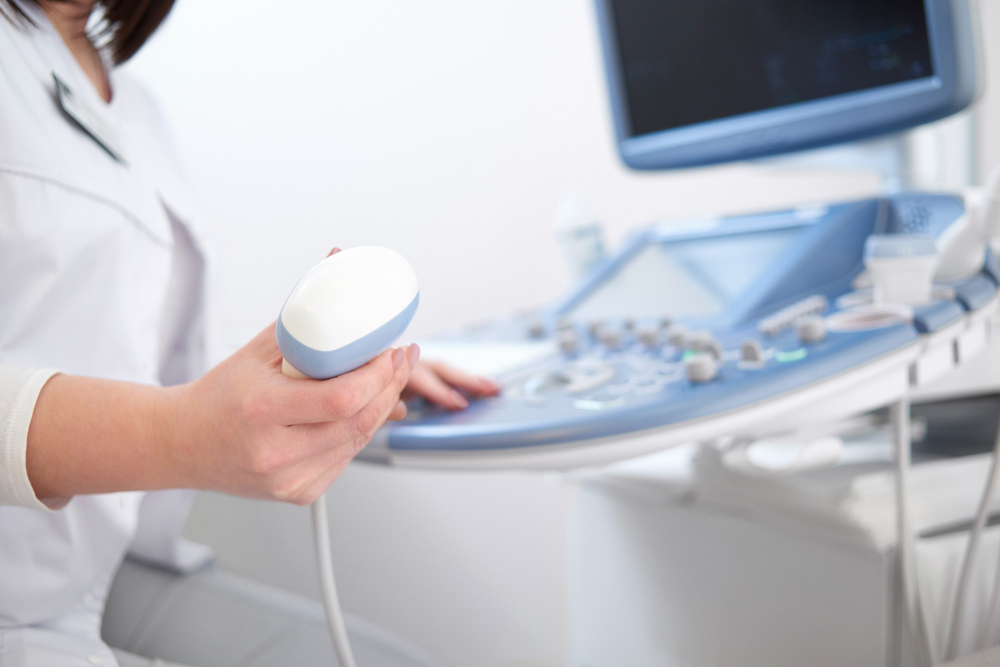
A Doppler flow scan is a type of ultrasound that measures the speed and direction of blood as it moves through your blood vessels. The device sends sound waves into the body. Those waves bounce off moving blood cells and return to the machine, which translates the pattern into images and sound.
When blood moves normally, the scan shows a steady, even rhythm. When blood flow slows down, the pattern changes in ways a trained eye can identify right away.
What Does Sluggish Blood Velocity Mean?
Sluggish blood velocity simply means blood is moving slower than expected through a vein or artery. This can happen for several reasons, including narrowed vessels, blood clots, or poor circulation caused by an underlying condition. Left unaddressed, slow blood flow can raise the risk of clotting, swelling, and tissue damage.
Why Might You Need a Doppler Flow Scan?
Your doctor may recommend a Doppler flow scan if you are experiencing symptoms that suggest a circulation problem. Common reasons include:
- Leg swelling or pain: Unexplained swelling, especially in one leg, can point to a blood clot or vein issue.
- Discoloration or coldness in the limbs: Changes in skin color or temperature may signal reduced blood flow.
- History of blood clots: Patients with a prior clot often need ongoing monitoring.
- Diabetes or vascular disease: These conditions increase the risk of circulation problems over time.
A vascular specialist can review your symptoms and determine whether this scan is the right next step for you.
What Happens During the Procedure?
The scan itself is painless and noninvasive. You will lie down while a technician applies a small amount of gel to your skin and moves a handheld device, called a transducer, over the area being examined. The entire process usually takes between 30 and 60 minutes.
There is no needle, no radiation, and no recovery time needed. Most patients are able to return to their normal activities immediately after the appointment.
What Do the Results Show?
Results from a Doppler flow scan help your care team see exactly where blood flow is restricted. This information guides treatment decisions, whether that means medication, lifestyle changes, or a referral for further care. A vascular clinic in Brooklyn can walk you through your results and explain what they mean for your health in plain language.
Who Should Consider a Doppler Flow Scan?
You may benefit from this scan if you have unexplained swelling, a family history of vascular disease, or symptoms that have not improved with standard treatment. Older adults and people recovering from surgery are also frequently referred for this type of imaging, since reduced mobility can slow circulation.
If you are unsure whether a Doppler flow scan applies to your situation, a conversation with your provider is the best place to start.
Take the Next Step With the Department
You do not have to wait until symptoms get worse to ask questions. Doppler flow scans give you and your care team a clear picture of how your blood is moving, so problems can be caught early and treated with confidence.
If you have noticed swelling, discoloration, or ongoing discomfort in your legs or arms, reach out to our Vascular team today by calling +1-718-367-2555 or visiting us at 1797 Pitkin Avenue, Brooklyn, NY 1121 to schedule a consultation. Compassionate, experienced care is closer than you think.