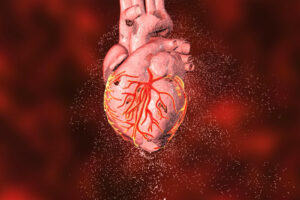
Constrictive pericarditis is a serious heart condition that explains how a calcified heart sac limits cardiac filling. The pericardium, the thin sac around the heart, can become thick, scarred, stiff, and sometimes calcified after inflammation or injury. When that happens, the heart cannot expand normally as it fills with blood. Over time, this restriction can lead to swelling, shortness of breath, fatigue, and signs of heart failure. Although pericarditis is often mild, constrictive pericarditis is a severe complication that needs prompt medical attention. A cardiologist can help confirm the diagnosis and guide treatment, especially when symptoms start to affect daily life.
What Is Constrictive Pericarditis?
Constrictive pericarditis develops when the pericardium loses its normal flexibility. Instead of moving easily with each heartbeat, it becomes rigid and may even calcify. This stiff outer layer squeezes the heart and limits how much blood the chambers can hold.
That is exactly how a calcified heart sac limits cardiac filling. The heart muscle may still pump, but it cannot relax and fill well. As a result, pressure builds up in the veins and fluid can collect in the legs, abdomen, or lungs.
Why It Matters
This condition can look like other heart problems, especially right-sided heart failure. That is why evaluation by a cardiologist is so important.
How a Calcified Heart Sac Limits Cardiac Filling
The heart needs space to expand between beats. In constrictive pericarditis, the scarred sac acts almost like a tight shell around it.
What Happens Inside the Heart
The process usually looks like this:
- The pericardium becomes inflamed
- Scarring and thickening develop
- In some cases, calcium builds up
- The heart cannot stretch well during filling
- Blood backs up, and symptoms appear
This mechanical problem affects blood flow even if the heart muscle itself is not weak.
Symptoms to Watch For
Symptoms can build slowly, which sometimes delays diagnosis. Many people first notice signs that resemble fluid overload or reduced exercise tolerance.
Common Symptoms
Symptoms may include:
- Shortness of breath, especially with exertion
- Swelling in the legs, feet, or ankles
- Abdominal swelling
- Fatigue
- Chest discomfort
- Trouble breathing when lying down
- Reduced stamina
Cleveland Clinic notes that swelling and shortness of breath with exertion can be warning signs of constrictive disease after pericarditis.
Causes and Risk Factors
Constrictive pericarditis is often a complication of long-term or repeated inflammation of the pericardium.
Possible Causes
These may include:
- Viral or idiopathic pericarditis
- Prior heart surgery
- Chest radiation
- Tuberculosis or other infections
- Autoimmune disease
- Kidney failure
- Cancer-related inflammation
A cardiologist will usually review past illnesses, surgeries, and inflammatory conditions to understand the likely cause.
How a Cardiologist Diagnoses Constrictive Pericarditis
Because symptoms can mimic other conditions, diagnosis often requires a mix of physical exam, imaging, and hemodynamic testing.
Common Diagnostic Tests
Test | What it can show |
Echocardiogram | Filling abnormalities and heart motion patterns |
CT scan | Pericardial thickening or calcium |
Cardiac MRI | Inflammation, thickening, and compression |
Abnormal filling pressures that confirm constriction | |
Chest X-ray | Calcification in some cases |
A cardiology clinic in Brooklyn may use these tests to separate constrictive pericarditis from cardiomyopathy, valve disease, or fluid around the heart.
Treatment Options
Treatment depends on the cause, severity, and whether active inflammation is still present.
Medical and Surgical Care
Possible treatments include:
- Anti-inflammatory medicines in select cases
- Diuretics to reduce fluid buildup
- Activity adjustment
- Careful follow-up with a cardiologist
- Pericardiectomy, a surgery to remove part or most of the pericardium, in advanced cases6
If the pericardium has become permanently scarred and restrictive, surgery may be the most effective option.6
A cardiology clinic in Brooklyn can also help coordinate advanced imaging, second opinions, and referral for pericardiectomy when needed.
When to Seek Medical Attention
Do not ignore ongoing swelling, shortness of breath, or exercise intolerance, especially if you have had prior pericarditis, chest surgery, radiation, or a history of inflammatory disease. A cardiologist should assess symptoms early before complications worsen.
Conclusion
Constrictive pericarditis is a clear example of how a calcified heart sac limits cardiac filling and disrupts normal circulation. As the pericardium thickens and hardens, the heart loses the room it needs to fill properly. That can lead to major symptoms and serious long-term strain. If you notice swelling, breathlessness, or fatigue that keeps progressing, speak with our Cardiology team for a full evaluation and treatment plan. Reach out to us today by calling +1-718-367-2555 or visiting us at 1797 Pitkin Avenue, Brooklyn, NY 1121 to schedule a consultation.