Cardiac sarcoidosis occurs when clusters of inflammatory cells called granulomas form in the heart muscle. These granulomas can block electrical signals and weaken the heart’s pumping ability, leading to irregular heartbeats, fainting, or heart failure. Early evaluation by a cardiologist improves outcomes significantly.
A racing or skipping heartbeat can feel alarming, especially when there is no clear reason for it. For some people, that unexplained symptom is a sign of cardiac sarcoidosis, a condition where granulomas disrupt heart rhythm and pumping power in ways that are easy to miss until symptoms become serious. You deserve clear answers about what is happening inside your heart, and understanding this condition is the first step toward getting the right care.
What Is Cardiac Sarcoidosis?
Sarcoidosis is an inflammatory disease that causes small clusters of immune cells, called granulomas, to form in various organs. When these granulomas develop in the heart muscle, the condition is known as cardiac sarcoidosis. It can occur on its own or alongside sarcoidosis in the lungs, skin, or lymph nodes.
This condition is uncommon, but it is also underdiagnosed. Many cases are found only after an unexplained arrhythmia or sudden cardiac event prompts further testing. That is why awareness matters, both for patients and for the cardiologists who evaluate them.
How Granulomas Disrupt Heart Rhythm and Pumping Power
Granulomas do not behave like healthy heart tissue. As they grow, they can replace normal muscle cells and interfere with the heart’s electrical pathways. This is the core problem behind cardiac sarcoidosis: granulomas disrupt heart rhythm and pumping power simultaneously, creating two distinct but related risks.
Electrical Disruption and Pumping Weakness
When granulomas form near the heart’s conduction system, they can block or slow electrical signals, leading to heart block or dangerous arrhythmias. When granulomas replace muscle in the ventricles, the heart’s pumping chambers lose strength, which can progress to heart failure over time. Choose immediate evaluation if you notice new palpitations or shortness of breath, since early intervention often prevents more serious complications later.
Warning Signs and Symptoms
Symptoms of cardiac sarcoidosis vary depending on which part of the heart is affected. Common signs include:
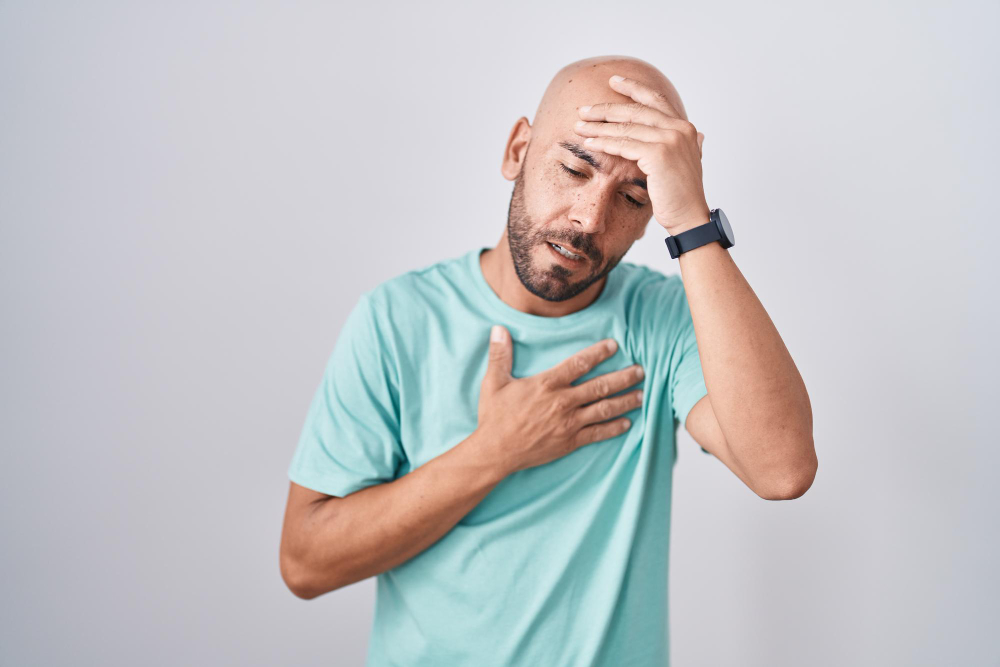
- Palpitations: A fluttering, pounding, or racing heartbeat that occurs without a clear trigger.
- Fainting or near-fainting: Sudden dizziness or loss of consciousness, often linked to heart block or arrhythmia.
- Shortness of breath: Difficulty breathing during activity or while lying down, which can signal weakened pumping function.
- Fatigue and swelling: Unusual tiredness or swelling in the legs, both associated with reduced heart efficiency.
Diagnosis and When to See a Cardiologist
Diagnosing cardiac sarcoidosis usually requires a combination of tests, including an electrocardiogram, cardiac MRI, and sometimes a PET scan or biopsy. A cardiologist will also review your medical history, especially if you have a prior sarcoidosis diagnosis affecting another organ.
You do not need to wait for a frightening episode before seeking care. If you experience unexplained palpitations, fainting, or breathlessness, schedule an appointment with a cardiologist as soon as possible. Early diagnosis gives your care team more options for protecting your heart’s rhythm and strength.
You Do Not Have to Navigate This Alone
Living with uncertainty about your heart’s health is stressful, especially when symptoms are hard to explain. You deserve a care team that listens and acts quickly. If you or a loved one are experiencing symptoms linked to cardiac sarcoidosis, reach out to our Cardiology team today by calling +1-718-367-2555 or visiting us at 1797 Pitkin Avenue, Brooklyn, NY 1121 to schedule a consultation. Our team is here to help you understand your diagnosis and protect your heart’s rhythm and strength for years to come.