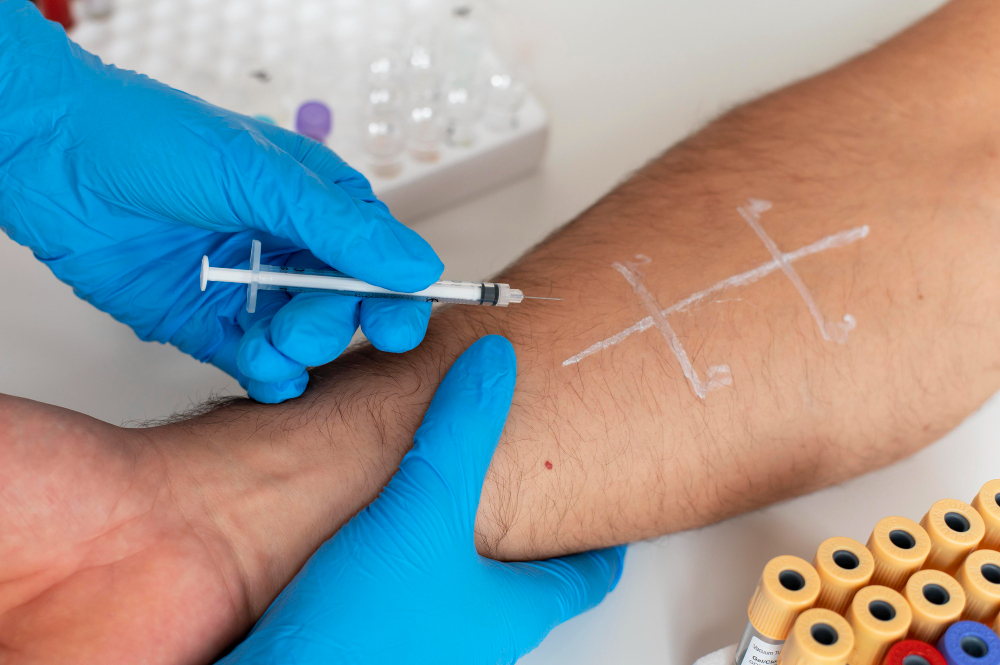
A TB skin test may be required when your loved one moves into a nursing home, starts a new caregiving job, or begins regular home health visits. A single negative result may seem like the end of the story, but that is not always true. Two-step PPD tuberculin skin tests are designed to catch what one test can miss, and knowing why the second read matters can save your family from confusion later.
This guide is for patients, family caregivers, and anyone who will need TB screening on a regular basis. In this post, you will learn:
- How two-step testing works
- Why a second test can reveal an old infection
- What your results mean
- When to talk with a specialist
What Are Two-Step PPD Tuberculin Skin Tests?
The tuberculin skin test checks whether TB bacteria are in your body. A trained provider injects a small amount of fluid called purified protein derivative (PPD) just under the skin of your inner forearm.
Two-step testing simply repeats this process. The CDC recommends it for baseline screening of people who will be tested again over time, such as health care workers and nursing home residents.
How Each Step Works
- First test: The PPD is placed, and you return 48 to 72 hours later to have it read.
- Second test: If the first result is negative, a second test is placed 1 to 3 weeks later.
- The reading: A trained provider measures the firm swelling, not the redness, in millimeters.
Why the Second Read Matters
Some people were infected with TB many years ago. Over time, their immune system may forget how to react to the test, so the first result comes back negative.
That first test can wake up the immune system’s memory. As a result, the second test may show a positive reaction.
Understanding the Booster Effect
This is called a boosted reaction. According to the CDC, it is more common in:
- Older adults: Their sensitivity to tuberculin may fade with age.
- People who received the BCG vaccine: This TB vaccine is often given in other countries.
- People exposed to similar bacteria: Other types of mycobacteria can affect results.
Without the second step, a boosted result on a future test could be mistaken for a brand new infection. The second read sets a true starting point.
What Your Results Mean
- Second test negative: Your baseline is negative, and you are considered uninfected.
- Second test positive: This likely reflects an old infection, not a new one. You may be a candidate for treatment of latent TB.
Tips for Accurate Results
Small details make a big difference. Keep these steps in mind:
- Return on time: If the test is not read within 72 hours, it must be repeated.
- Mention past vaccines: Tell your provider about any BCG vaccine, since a TB blood test may be a better choice.
- Share recent vaccinations: Live vaccines like measles can affect results.
- Keep your records: Ask for a written copy of every result.
When to See an Infectious Disease Specialist
A positive result can feel frightening. You do not have to sort through it alone.
An infectious disease specialist can review your results, order a chest X-ray or other tests, and explain your treatment options in plain language. Families looking for local guidance can turn to infectious disease doctors in Brooklyn who understand the needs of older adults, caregivers, and patients receiving care at home.
Protect Your Family With Clear Answers
Two-step PPD tuberculin skin tests give you a reliable baseline, and the second read helps prevent false alarms down the road. When you know why the second read matters, you can approach screening with confidence instead of worry.
If you have questions about a result or need follow-up care, an infectious disease specialist can help you take the next step. Our infectious disease specialists are ready to support you and your loved one with compassionate, expert care. Reach out to us today by calling +1-718-367-2555 or visiting us at 1797 Pitkin Avenue, Brooklyn, NY 1121 to schedule a consultation.