An infection that won’t clear up is exhausting. Your loved one may have finished one round of antibiotics, only to feel sick again a week later. You may wonder whether the medicine was ever the right one.
That worry is common, and there is a clear way forward. Bacterial culture and sensitivity testing show which germ is causing the infection and which medicines can stop it. This takes much of the guesswork out of selecting the exact antibiotic.
This guide explains how the test works, how samples are collected, and what the results mean. It also covers when an expert can help, especially after a hospital stay, surgery, or a new chronic illness diagnosis.
What Is Bacterial Culture and Sensitivity Testing?
Not every antibiotic works on every germ. Each medicine works well only against certain types of bacteria or fungi. Antibiotics also do nothing against viruses like colds and flu.
A culture and sensitivity test, often called a C&S, has two parts:
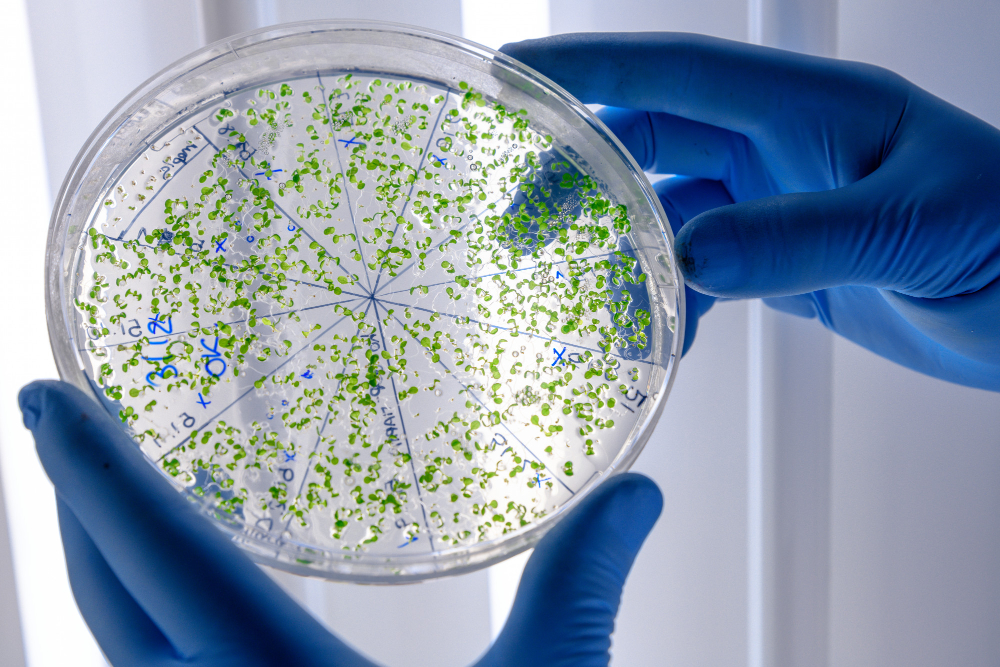
- The culture: A lab grows the germs from a sample to find out exactly what is causing the infection.
- The sensitivity test: The lab then exposes those germs to different antibiotics to see which ones kill them or stop their growth.
This test matters even more for infections that have become harder to treat, such as MRSA, tuberculosis, and C. diff.
Why Antibiotic Resistance Matters
Over time, some bacteria change and learn to survive the drugs meant to kill them. This is called antibiotic resistance. When it happens, an infection that was once easy to treat can become serious. Testing helps your loved one’s care team stay one step ahead.
How Samples Are Collected
The sample comes from the area where the infection is. Most collections are quick and cause little or no discomfort.
Culture Type | How It Is Collected | What to Expect |
Blood | A small needle draws blood from an arm vein | Slight pain or bruising that fades quickly |
Urine | A clean sample is given in a sterile cup | No risk |
Wound | A special swab is gently wiped over the wound | No risk |
Sputum | Mucus from the lungs is coughed into a cup | No risk |
Throat | A swab is passed over the back of the throat | Brief gagging or discomfort |
No special preparation is usually needed. Many of these samples can also be collected during a home visit, which spares your loved one an extra trip.
Reading the Results and Selecting the Exact Antibiotic
A lab report can look confusing at first. Each antibiotic tested is usually given one of three labels:
- Susceptible: The antibiotic stopped or killed the germ, so it may be a good treatment choice.
- Intermediate: The antibiotic may work at a higher dose or when taken more often.
- Resistant: The antibiotic did not stop the germ and is not a good choice.
If the germ resists every medicine tested, doctors may combine a few antibiotics that work better together.
How Results Guide Treatment
Doctors often start a broad antibiotic while waiting for results. Once the report arrives, they can switch to a medicine that targets the specific germ. This focused approach can help your loved one recover sooner, lower the chance of side effects, and protect against future resistance.
Using Antibiotics Safely at Home
The right medicine only works when it is taken correctly. Help your loved one:
- Follow directions: Take every dose as prescribed and finish the full course.
- Avoid sharing: Never use someone else’s antibiotics or save leftovers.
- Ask questions: Talk with the pharmacist or provider about any concerns.
When to Involve an Infectious Disease Specialist
Some infections need a closer look. An infectious disease specialist can help when results show resistance, when an infection keeps coming back, or when a weakened immune system makes treatment harder.
Your family does not have to sort through these decisions alone. Infectious disease doctors in Brooklyn can review lab reports, adjust treatment, and explain each step in plain language. That support matters most during recovery at home.
Get the Right Treatment From the Start
Bacterial culture and sensitivity testing turn uncertainty into a clear plan. By selecting the exact antibiotic for the germ involved, your loved one’s care team can treat the infection with confidence.
An infectious disease specialist can guide you with patience and care at every stage. Our infectious disease specialists are ready to support you and your family. Reach out to us today by calling +1-718-367-2555 or visiting us at 1797 Pitkin Avenue, Brooklyn, NY 1121 to schedule a consultation.