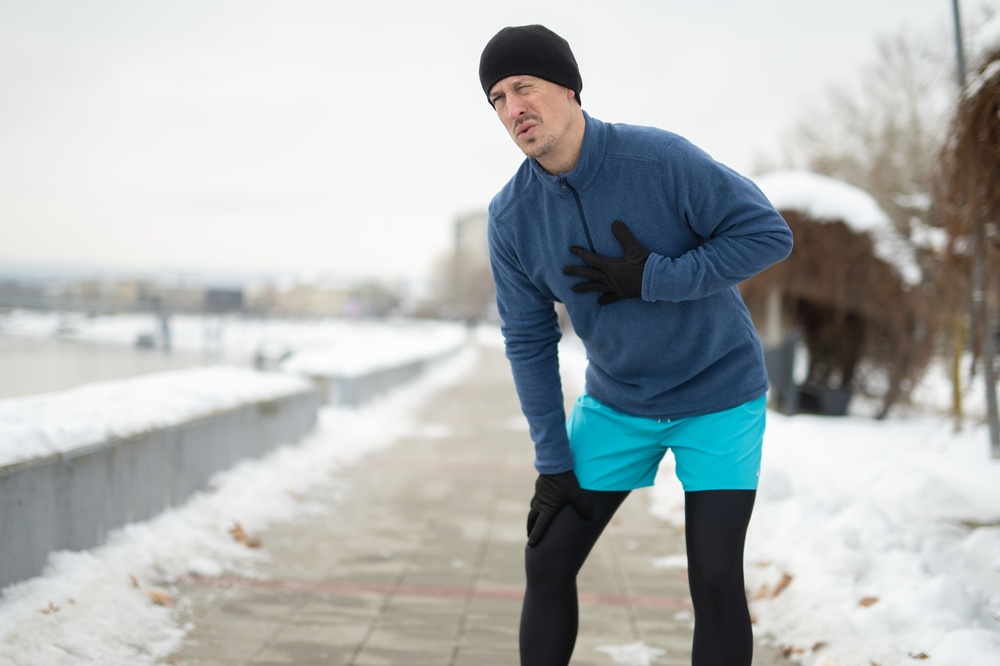
Cold weather forces the heart to work harder, narrowing blood vessels and raising blood pressure, which increases heart attack risk during winter. Snow shoveling adds sudden physical strain on top of the cold, making it one of the most dangerous winter activities for your heart. Knowing the warning signs and pacing yourself outdoors can protect you and the people you love this season.
Winter brings beauty, but it also brings risk, especially for your heart. If you or a loved one has a history of heart disease, the colder months deserve extra attention. Understanding why winter strains the heart, and what you can do about it, is one of the simplest ways to protect your family this season.
Why Cold Weather Increases the Risk of Heart Attacks
Your body works harder to stay warm when temperatures drop, and that extra effort places real demand on your heart.
How Cold Temperatures Strain the Heart
When you step into the cold, your body responds by working to preserve core temperature. This process raises your heart rate and increases the heart’s oxygen demand. For a healthy heart, this adjustment is manageable. For a heart already weakened by cardiac conditions like coronary artery disease, that added strain can trigger a cardiac event.
The Role of Blood Vessels and Blood Pressure in Winter
Cold temperatures cause blood vessels to constrict, a response called vasoconstriction. Narrower vessels mean your heart must pump harder to move blood through your body, which raises blood pressure. Higher blood pressure combined with constricted arteries creates the exact conditions that can lead to a heart attack.
Snow Shoveling and Heart Attack Risk
Few winter tasks place as much sudden strain on the heart as clearing snow from your driveway.
Why Snow Shoveling Is Especially Dangerous
Shoveling combines two risk factors at once: intense physical exertion and cold exposure. A study published in Circulation found that snow shoveling was associated with a significant increase in heart attacks and sudden cardiac death, particularly among people with existing heart disease. The sudden strain of lifting heavy, wet snow while your blood vessels are already constricted asks a great deal from a heart that may not be ready for it.
Safety Tips for Shoveling in Cold Weather
- Warm up first: Give your muscles and heart a few minutes to adjust before heavy exertion.
- Take breaks often: Pace yourself, and rest if you feel short of breath or fatigued.
- Avoid shoveling after eating: Digestion already places demand on your heart.
- Push, do not lift: Pushing snow is far less taxing than lifting and throwing it.
- Ask for help: If you or a loved one has a heart condition, consider asking a neighbor or family member to handle the shoveling instead.
Warning Signs of a Heart Attack in Winter
You know your body, and you know when something feels wrong. Chest pain or pressure, shortness of breath, pain radiating to the arm or jaw, cold sweats, and sudden fatigue are all signs that deserve immediate attention, especially in cold weather. Do not wait to see if symptoms pass. Call 911 right away, because early treatment makes a real difference in outcomes.
You Are Not Alone This Winter
Protecting your heart through the colder months does not have to feel overwhelming. Our cardiology team is here to explain every step of the walking protocol, answer your safety questions, and support your family before, during, and after the appointment. For families searching for the best cardiologist in Brooklyn, our Cardiology team offers the kind of personalized, attentive care that gives you real peace of mind.
Reach out to us today by calling +1-718-367-2555 or visiting us at 1797 Pitkin Avenue, Brooklyn, NY 1121 to schedule a stress test and get the answers you deserve. We will listen, explain, and walk alongside you every step of the way.