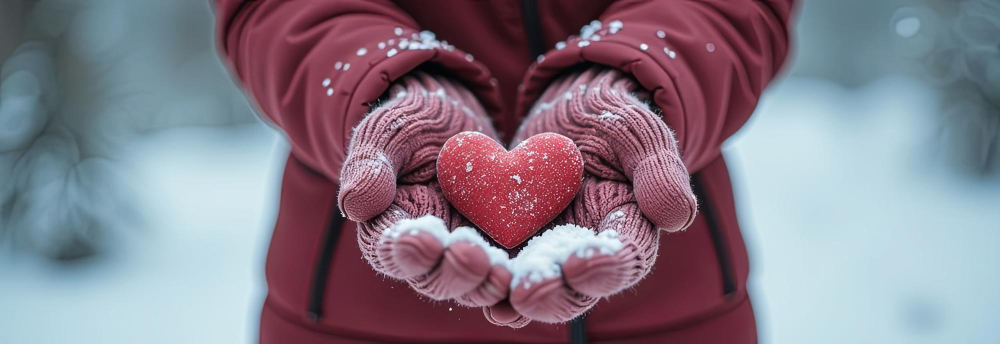
Cold mornings can feel harmless, even refreshing. But for your heart, winter brings a quiet strain that many families never see coming until it becomes an emergency. Heart attack rates climb noticeably in the colder months, and understanding why cold weather strains your heart can help you recognize the warning signs before they turn serious.
You do not need to feel afraid of winter. You do need to understand what is happening inside your body, and your loved one’s body, when temperatures drop. That knowledge is the first step toward protecting the people you care about most.
Why Does Cold Weather Strain Your Heart?
When temperatures fall, your blood vessels narrow to help your body conserve heat. This process, called vasoconstriction, raises blood pressure and forces your heart to work harder to pump blood through tighter vessels. At the same time, shivering increases your heart rate and oxygen demand, adding even more pressure to a system that may already be under stress.
For someone with existing heart disease, high blood pressure, or high cholesterol, this added strain can be the difference between a stable day and a medical emergency. Blood also tends to thicken slightly in cold weather, which raises the risk of clot formation. Together, these changes explain why heart attack rates rise so sharply during winter months. Pairing this knowledge with heart-healthy eating habits can give your family an added layer of protection as the seasons change.
What Winter Habits Raise Heart Attack Risk?
Several everyday winter activities can unknowingly push a strained heart past its limit:
- Shoveling snow: This activity combines cold exposure, sudden exertion, and holding your breath, a dangerous combination for your cardiovascular system.
- Catching the flu or a respiratory infection: Illness places additional stress on your heart and is linked to a higher short-term risk of heart attack, according to the Centers for Disease Control and Prevention.
- Holiday stress and overeating: Emotional strain and rich meals can raise blood pressure and cholesterol levels temporarily, compounding the effects of cold weather strain on your heart.
- Reduced physical activity: Shorter days and icy conditions often mean less movement, which can affect circulation and overall cardiovascular health.
Recognizing these patterns in your own household is not about living in fear. It is about knowing where the risk hides, so you can plan around it.
How Can You Protect Your Heart This Winter?
Small, consistent habits make a real difference when cold weather strains your heart. Consider these steps for yourself or a loved one who faces elevated risk:
- Dress in layers: Keeping your core warm reduces the vasoconstriction response that raises blood pressure.
- Avoid sudden exertion: Ask for help with snow removal or take frequent breaks if physical activity cannot be avoided.
- Monitor blood pressure regularly: Winter fluctuations can be significant, and tracking changes helps your care team respond quickly.
- Know the warning signs: Chest pressure, shortness of breath, and pain radiating to the arm or jaw should never be ignored, especially during cold months.
- Stay current on vaccinations: Flu shots lower your risk of respiratory illness, which in turn lowers added strain on your heart.
You are not meant to manage these decisions alone. A trusted medical team can help you weigh your specific risk factors and build a plan that fits your life.
You Do Not Have to Face Winter Heart Risks Alone
Heart attack risk during winter is real, but it is also manageable with the right information and the right support. If you or a loved one has noticed new symptoms, or simply wants a clearer picture of heart health heading into the colder months, working with the best cardiologist in Brooklyn can bring real peace of mind.
Our Cardiology team is here to explain every step of the walking protocol, answer your safety questions, and support your family before, during, and after the appointment. Reach out today by calling +1-718-367-2555 or visiting us at 1797 Pitkin Avenue, Brooklyn, NY 1121 to schedule a stress test and get the answers you deserve.