
What is Birth Control?
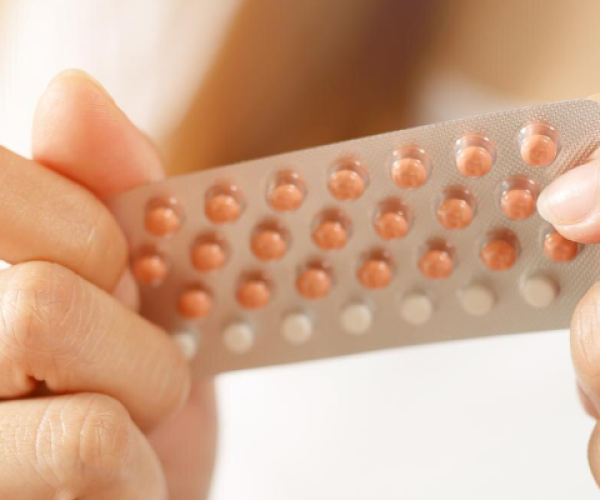
Birth control refers to a range of preventive methods used by individuals who want to avoid pregnancy. Depending on the type, it may work by stopping ovulation, thickening cervical mucus to block sperm, preventing fertilization, or altering the uterine lining to reduce the chance of implantation.
This treatment helps to:
- Prevent unintended pregnancy
- Regulate menstrual cycles
- Reduce menstrual cramps and heavy bleeding
- Improve acne in some individuals
- Manage hormonal conditions such as polycystic ovary syndrome (PCOS) or endometriosis
- Support long-term reproductive planning
What to expect during treatment?
Effects vary depending on the method used and individual response.
- Hormonal pills must be taken daily for maximum effectiveness.
- Injections are typically given every 3 months.
- Implants can provide protection for up to 3 years.
- Intrauterine devices (IUDs) may last between 3 and 10 years depending on the type.
- Some users experience lighter, irregular, or absent periods.
- Mild side effects such as nausea, breast tenderness, spotting, or mood changes may occur, especially during the first few months.
