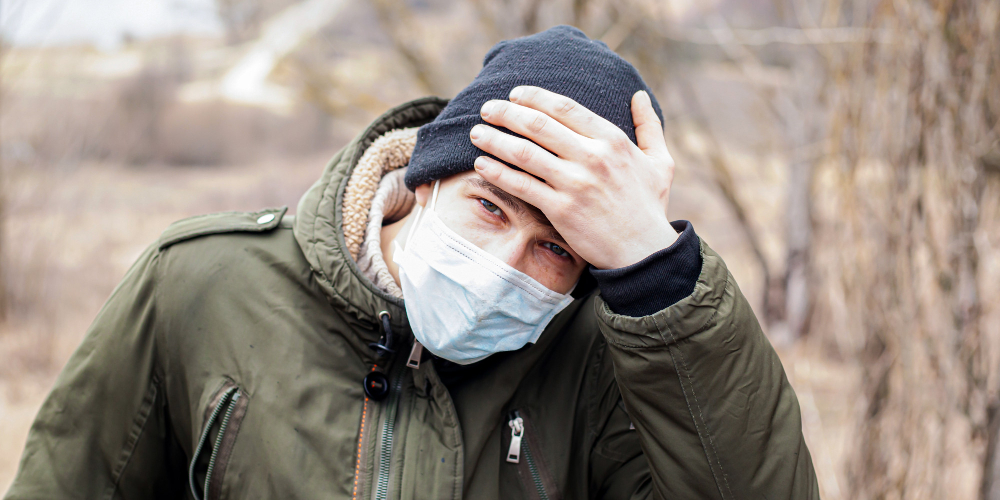
Residents of the American Southwest are facing a growing health concern hidden right beneath their feet. Valley Fever, a respiratory illness caused by the Coccidioides fungus living in the soil, is spreading rapidly. As dry conditions and high winds stir up dust, people breathe in the microscopic spores, leading to severe respiratory issues.
With the sudden spike in these airborne threats, healthcare providers are prioritizing awareness around severe fungal infections. Catching the illness early is crucial, which places a massive spotlight on proper diagnostic testing. Medical professionals rely heavily on targeted serology testing to confirm the presence of the disease and begin effective treatment. Understanding how this fungus spreads—and how testing saves lives—is the first step in protecting your lung health.
Why Are Airborne Fungal Infections Spreading?
Valley Fever is not a new illness, but case numbers have surged over the past decade. The Coccidioides fungus thrives in the alkaline soils of Arizona, California, Nevada, and New Mexico. When dirt is disturbed by construction, farming, or strong winds, the spores become airborne.
Several factors contribute to the recent spread of these fungal infections:
- Prolonged droughts: Dry soil allows the fungus to become easily aerosolized.
- Population growth: More people are moving to the Southwest, increasing the number of exposed individuals.
- Construction booms: Building new homes and roads kicks up massive amounts of dust.
The Impact of Dust Storms
Dust storms, known as haboobs in the Southwest, can carry fungal spores for miles. Anyone caught in these storms without respiratory protection faces a higher risk of inhaling the spores.
Recognizing Symptoms and Seeing a Doctor of Infectious Diseases
Many people who inhale the spores never show symptoms. However, those who do get sick often experience flu-like symptoms that can linger for weeks or months.
Common symptoms of Valley Fever include:
- Persistent cough
- Fever and chills
- Chest pain
- Fatigue
- Night sweats
- Red, spotty rash
Because these symptoms mimic other respiratory illnesses, misdiagnosis is common. If your symptoms persist after returning from a high-risk area, it might be time to consult a doctor of infectious diseases. A qualified doctor of infectious diseases can evaluate your travel history, symptom timeline, and risk factors to point you toward the right tests.
The Role of Diagnostic Testing and Serology Testing
You cannot treat a stubborn fungus with standard antibiotics. That is why accurate diagnostic testing is vital for anyone suspected of having Valley Fever.
The most common and effective method is serology testing. This specific blood test looks for antibodies that your immune system produces to fight off the fungus. If the serology testing comes back positive, it confirms the active infection.
How Proper Diagnosis Guides Treatment
Once a positive result is confirmed, your primary care physician will likely refer you to a specialist in infectious diseases. Because antifungal medications require careful monitoring, a specialist in infectious diseases will tailor a treatment plan to your specific needs, ensuring the infection does not spread from your lungs to other parts of your body.
Protect Your Health
As Valley Fever continues to spread across the Southwest, staying informed is your best defense. Avoid dusty areas during high winds, keep your car windows rolled up on dirt roads, and pay close attention to lingering coughs or fatigue.
If you suspect you have been exposed, do not wait for symptoms to worsen; just seek medical help immediately by booking your appointment with our infectious disease providers to get a comprehensive evaluation and proper guidance on preventing and managing your infectious disease. Call us on + 1-718-367-2555 to get treated! Learn more about infectious diseases at www.doralhw.org. and stay up to date on current health topics and new research, on recent infectious diseases like COVID-19. If you need help, register your information and make direct contact with our doctors at https://yuz88hfiyh7.typeform.com/Doralintake. Or visit us at 1797 Pitkin Avenue, Brooklyn, NY 11212.