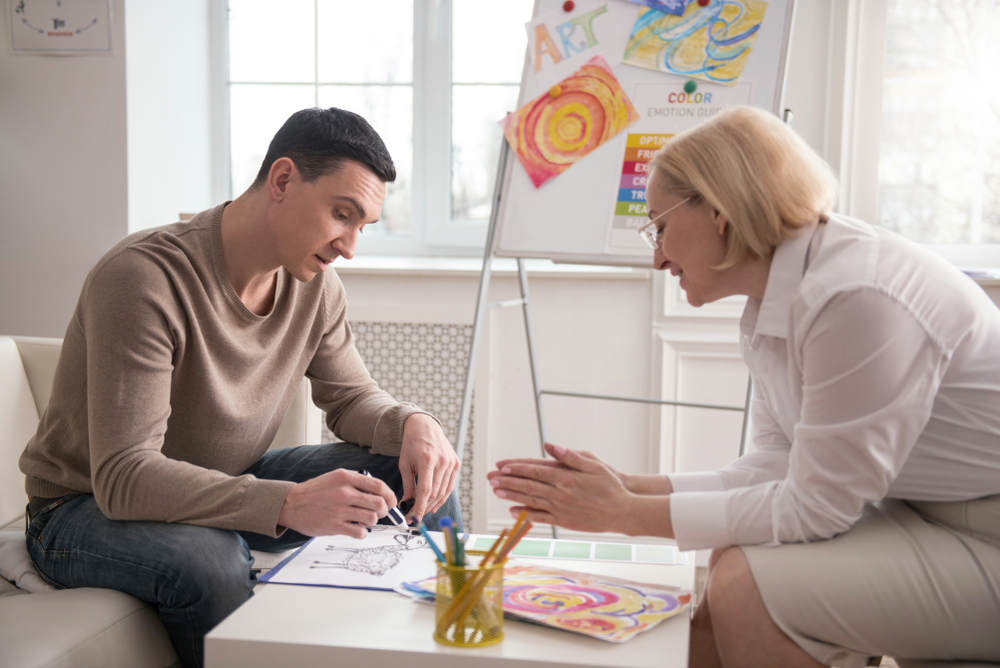
Recent research shows that art therapy is amazingly effective in treating many mental health conditions and physical health issues. However, is it beneficial? Read this article to learn how art therapy works and the benefits of art therapy in this article. Visit the best Mental Health Clinic in Brooklyn at Doral Health & Wellness or log on to www.doralhw.org.
How does art therapy work?
Art therapy treatment works in coordination with an art therapist who understands the most effective techniques and mediums to use. Art therapy is usually used to support and combine with other mental healthcare treatments to produce a better overall outcome. Art therapy involves:
- Setting a defined goal for the client (as a part of the therapy/program).
- Allowing the client to choose the medium that appeals to them.
- Giving guidance to the client throughout the process of creating art and teaching art to be constructive in a therapeutic way.
- Encouraging the client to reflect on the artwork they have created.
- Discussing the finished product with the client to understand its relevance to their feelings and experiences.
Benefits
There are many benefits of art therapy you can enjoy, including:
- Reduced stress and anxiety:
The process of creating art naturally lowers stress levels and minimizes anxiety because it allows the individual to stay present and focus on the task at hand. Additionally, creating something allows plenty of flexibility and an opportunity for people to express themselves in ways they may not be able to do before. According to some studies, individuals who spend at least 45 minutes every day to create art are more likely to have low cortisol levels compared to others who don’t do it.
- Improved anxiety and depression symptoms:
It is proven that working with an art therapist may improve your anxiety and depression symptoms. A small randomized controlled trial found that a group of elderly with major depressive disorder, who got 20-week art-therapy group sessions found improvement in their depression and anxiety symptoms (compared with the control group that didn’t participate in art-therapy sessions). It shows that art therapy allows people to cope with stressful events and express themselves in a way that is not accessible to them in daily life.
Another systematic review published in August 2021 in Frontiers in Psychology examined 413 studies on the effectiveness of art therapy and found that these approaches may successfully help patients with mental health disorders to share their feelings, views, and experiences. Additionally, a chapter reviewing research on clay art therapy found that this approach is effective for patients who are recovering from depression by strengthening their emotional control and understanding how their emotions are present and how emotions are experienced or expressed.
- Stimulate cognitive abilities:
Research has found a direct relation between art and brain function, which means art therapy may help to improve cognitive abilities. So, when an individual is engaged in the process of creating art, they are more likely to go into a deep flow state in which they are completely present and focused on their work. During this time, they allow their brain to heal and restore itself, which leads to euphoria (a state of mind where you feel a sense of pleasure). This euphoric state is often found to be linked with the process of creating art that is completely and uniquely yours.
- Improved self-esteem and self-awareness:
This is the most compelling benefit of art therapy; a boost in self-esteem and self-awareness. As this form of therapy uses a variety of mediums and techniques to create art, individuals can channel their emotions into their works which promotes self-expression and gives a sense of personal independence, self-reliance, and self-sufficiency. When individuals overcome the challenges in art and produce a final piece they develop a natural sense of pride, which deepens their understanding of their feelings as they reflect on their art, which gives them an identity.
In a report published in 2019 by the World Health Organization (WHO), the participants reported that expressive art activities helped them to build self-esteem, self-acceptance, confidence, and self-worth. These interventions are immensely helpful for people who suffer from chronic illness because they allow them to process difficult or complex thoughts and feelings about their experiences and conditions. Additionally, past research has found that art therapy practices also enhance the emotional, physical, and cognitive development of child and adult patients with chronic illness, physical challenges, and cancer.
- Help ease pain:
Art therapy may be able to reduce pain because it explores feelings and experiences creatively. People who experience chronic or traumatic pain may be able to use art as a way to manage the impact of their pain and reflect on their creations to better understand what they are going through. By focusing on their art, they are no longer consumed or distracted by the pain they’re experiencing.
- Encourages emotional expression:
Art therapy offers a safe and creative space to express emotions and feelings. One of the most difficult aspects of managing emotions is learning how to release them, especially when a person finds it difficult to handle them by talking about their experiences and putting words to their feelings. Through art therapy, people find distinct and innovative ways to express themselves without putting it into words. This way, many find art therapy techniques a good coping mechanism that they can rely on for years to come.
- Help improve behavior in autistic children:
Art therapy is an effective form of healing children with autism spectrum disorder (ASD). One small study that monitored 40 children ages 6 to 12 with ASD found that after 12 sessions, children in the painting therapy group had more adaptive behaviors and emotions, an increased ability to share their feelings, and improved social interactions, compared to the control group.
A separate review published in October 2022 in the American Journal of Occupational Therapy involved 15 studies of children between 3.5 to 16 years with autism and found evidence that arts interventions like drawing and painting along with music and drama, might help children with autism to express themselves to gain perspectives and social learning.
Art therapy is an effective therapeutic approach to expressing your emotions and thoughts with the help of creative art techniques. It is used alone or in combination with other mental health treatment options to produce better outcomes. With this therapy, you can experience many benefits mentioned above. So, consult with your doctor and start your art therapy program.
Want to know more about art therapy and want to use art therapy for yourself? Visit our mental health clinic in Brooklyn to get professional medical help and get the best therapeutic approach for you based on your condition and symptoms. If you need help finding a good therapist, then visit our clinic, our therapists have years of experience in treating patients. Your life will change with a single step. So, take that step with us!
Call us on +1-718-367-2555 to get a consultation. If you need help learning coping methods, register your information and make direct contact with our doctors and psychiatrists to learn those methods, log on to www.doralhw.org. Visit us at 1797 Pitkin Avenue, Brooklyn, NY 11212.