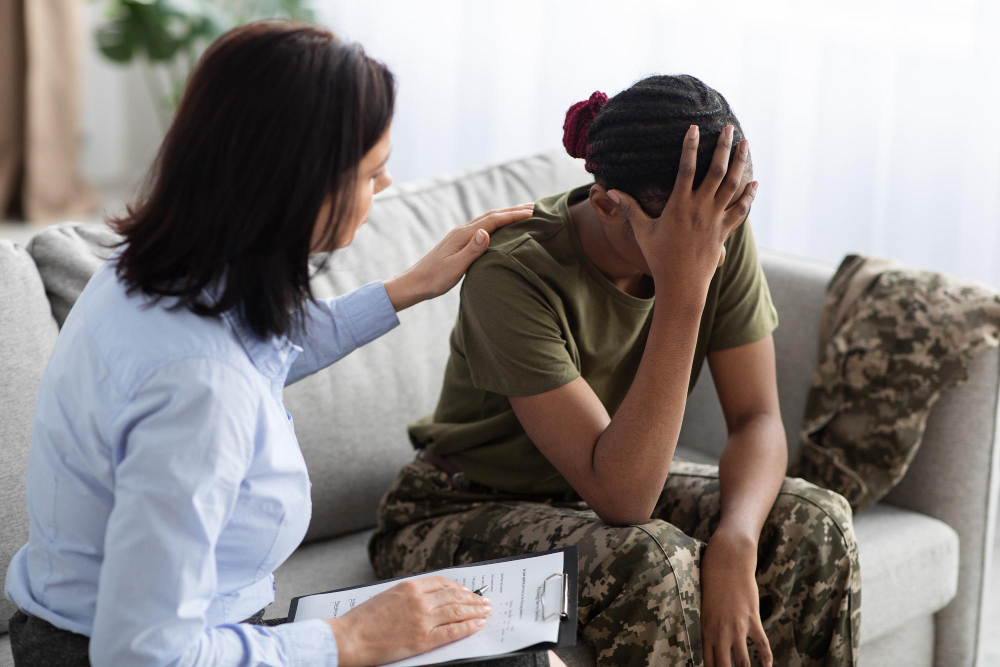
DBT distress tolerance refers to skills from Dialectical Behavior Therapy that help you survive painful moments without making them worse. Radical acceptance, a core distress tolerance skill, means fully acknowledging a painful reality instead of fighting it. Practicing it during crisis moments can reduce suffering and help you respond with more clarity.
When a crisis hits, your mind often searches for a way to undo what has already happened. You replay the moment, argue with reality, and wish things were different. This instinct is natural, but it rarely brings relief. DBT distress tolerance offers another path. These skills were built specifically for the moments when nothing can be fixed right away, and you simply need to get through them. At the center of this approach is radical acceptance, a practice that asks you to stop fighting reality so you can start responding to it. You are not alone in finding this difficult. Many people need guidance the first time they try it.
What Is DBT Distress Tolerance?
Dialectical Behavior Therapy, or DBT, was developed to help people manage intense emotions without resorting to behaviors that cause more harm. Distress tolerance is one of four skill groups taught in DBT, alongside mindfulness, emotion regulation, and interpersonal effectiveness.
These skills are not designed to solve your problem. They are designed to help you tolerate pain long enough to think clearly and make safe choices. This distinction matters. In a true crisis, trying to fix everything at once often backfires. Distress tolerance gives you a way to pause, steady yourself, and avoid decisions you might regret later.
Mastering Radical Acceptance During Crisis Moments
Radical acceptance sits at the heart of DBT distress tolerance. Mastering radical acceptance during crisis moments does not happen overnight, but understanding what it actually involves is the first step.
What Radical Acceptance Really Means
Radical acceptance means acknowledging reality exactly as it is, without approving of it or giving up on change. It is not resignation. It is the recognition that fighting a fact that has already happened only adds emotional suffering on top of the original pain.
Think of a loss, a diagnosis, or a sudden life change. The event itself causes pain. Refusing to accept it adds a second layer of suffering, built from anger, denial, or bargaining. Radical acceptance removes that second layer so you can face what remains with a clearer mind.
How to Practice It in the Moment
You can practice radical acceptance even in the middle of a crisis. Try these steps:
- Name the reality. Say to yourself, plainly, what has happened. Avoid softening or exaggerating it.
- Notice resistance. Pay attention to thoughts like “this should not be happening.” Recognizing resistance is the first step to releasing it.
- Use your body. Relax your shoulders, unclench your jaw, and breathe slowly. Physical tension often reinforces emotional resistance.
- Repeat an acceptance statement. A simple phrase, such as “this is what is happening right now,” can anchor you when your thoughts spiral.
- Allow time. Acceptance rarely arrives in one attempt. Returning to these steps repeatedly is part of the process, not a sign of failure.
Why Support from a Behavioral Health Specialist Matters
Learning radical acceptance on your own is possible, but crisis moments make it much harder to apply new skills without guidance. A behavioral health specialist trained in DBT can walk you through these techniques in real time, helping you recognize resistance patterns that are difficult to see on your own.
A behavioral health specialist also helps tailor distress tolerance skills to your specific situation, whether you are coping with a health crisis, supporting a loved one, or managing a sudden loss. This kind of structured support often makes the difference between understanding a concept and actually using it when it counts.
You Do Not Have to Face This Alone
Crisis moments can feel isolating, especially when it seems like no one else understands how overwhelming your thoughts have become. You deserve support that meets you exactly where you are.
If you or someone you love is struggling to cope with a painful situation, reach out to the Behavioral Health team today by calling +1-718-367-2555 or visiting us at 1797 Pitkin Avenue, Brooklyn, NY 1121 to schedule a consultation. Our team will help you master radical acceptance during crisis moments becomes a skill you can rely on, not just an idea you read about once.