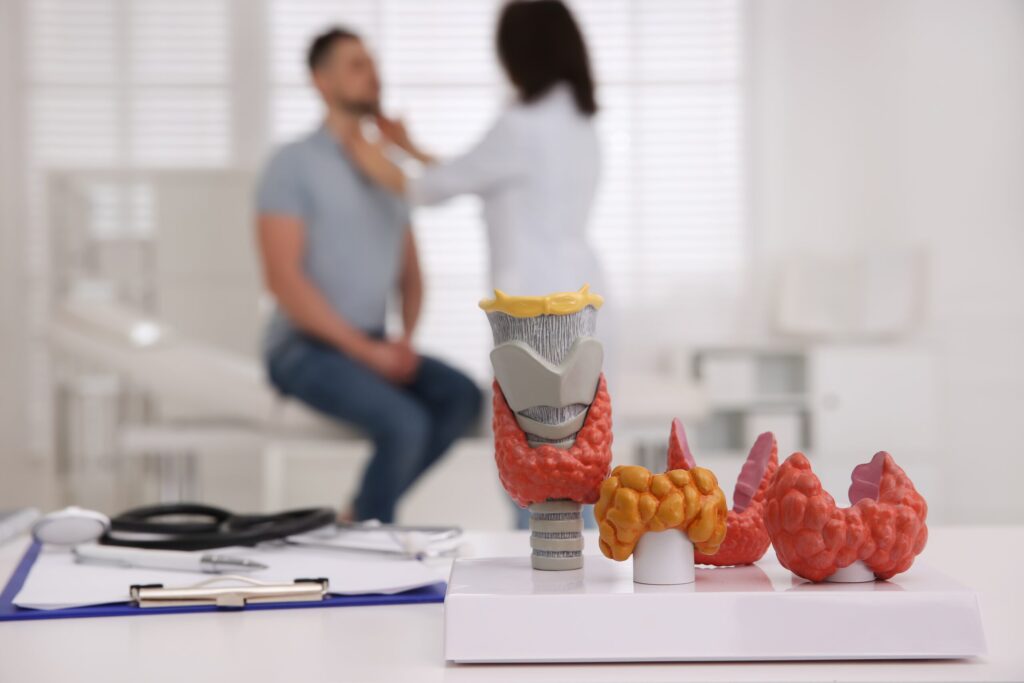
Did you know that an underactive thyroid—also known as hypothyroidism—can be a hidden cause of elevated cholesterol levels? In fact, research shows that around 13% of individuals with high cholesterol also suffer from hypothyroidism, often without realizing it. This condition slows down your metabolism and disrupts how your body processes fats, which may result in increased LDL (“bad”) cholesterol and total cholesterol.
While high cholesterol is usually linked to diet or lifestyle, it’s important to consider underlying medical issues like hypothyroidism, especially if your cholesterol remains high despite healthy habits. If left undiagnosed, hypothyroidism can silently raise your risk for heart disease, making early detection and proper thyroid management essential.
In this article, you’ll discover how hypothyroidism affects your lipid profile, why thyroid screening is critical in cases of unexplained high cholesterol, and what steps to take for proper diagnosis and treatment. Don’t ignore the signs—understanding the thyroid-cholesterol connection can be key to improving your overall cardiovascular health.
Hypothyroidism and High Cholesterol: What’s the Connection?
Hypothyroidism and high cholesterol are more interconnected than many people realize. Hypothyroidism, a condition in which the thyroid gland fails to produce enough hormones, has a significant impact on the body’s ability to regulate lipid levels. These hormones—especially triiodothyronine (T3) and thyroxine (T4)—play an essential role in metabolism, including the liver’s ability to process and remove excess cholesterol from the bloodstream.
When hormone production decreases due to hypothyroidism, the liver’s function becomes impaired, making it less efficient at clearing low-density lipoprotein (LDL) or “bad” cholesterol. Over time, this can result in the accumulation of LDL and triglycerides, contributing to the development of serious cardiovascular problems like arterial plaque buildup, atherosclerosis, heart attacks, and strokes.
Moreover, hypothyroidism can slow digestion, reduce bile secretion, and decrease the number of LDL receptors in the liver—further worsening cholesterol levels. Many patients with untreated or undiagnosed hypothyroidism are surprised to find their lipid panels worsening despite a healthy lifestyle. In fact, studies suggest that up to 13% of individuals with high cholesterol also have some form of undiagnosed hypothyroidism.
On the other hand, hyperthyroidism—a condition in which the thyroid gland produces too much hormone—can cause the opposite effect. It speeds up metabolic processes and lowers cholesterol levels, sometimes too much, leading to its own set of health issues.
Because thyroid dysfunction directly affects lipid metabolism, it’s crucial that individuals with persistent high cholesterol get screened for hypothyroidism, especially if other symptoms like fatigue, cold sensitivity, weight gain, or dry skin are present.
If you’re struggling with managing your cholesterol despite making dietary and lifestyle changes, consider talking to your healthcare provider about the possibility of hypothyroidism. Early diagnosis and proper treatment can improve both your thyroid function and cholesterol profile—reducing your risk of cardiovascular disease and enhancing your overall health.
What to Do If You Have Hypothyroidism and High Cholesterol?
Managing hypothyroidism alongside high cholesterol may seem overwhelming, but with the right treatment strategy, it’s entirely possible to improve both conditions simultaneously. The first step is proper diagnosis. Your doctor will assess thyroid hormone levels and lipid profiles through a series of blood tests, including TSH (thyroid-stimulating hormone), T3, T4, and a complete cholesterol panel.
Once hypothyroidism is confirmed, treatment typically begins with thyroid hormone replacement therapy—most commonly levothyroxine, a synthetic form of the hormone T4. This medication helps normalize thyroid hormone levels, which in turn can improve metabolic functions, including cholesterol regulation. In fact, studies show that treating hypothyroidism with levothyroxine improves cholesterol levels in approximately 60% of patients, particularly those with subclinical or mild hypothyroidism.
However, for some individuals, thyroid hormone replacement alone isn’t enough to bring cholesterol into a healthy range. In these cases, doctors may incorporate lipid-lowering medications into the treatment plan. Common options include:
Statins (e.g., Atorvastatin/Lipitor or Rosuvastatin/Crestor): These are the most widely used drugs for managing high LDL cholesterol.
Ezetimibe (Zetia): This medication works by reducing the absorption of cholesterol in the intestines.
PCSK9 inhibitors (e.g., Repatha or Praluent): These injectable medications are typically prescribed for patients with very high LDL levels or those who cannot tolerate statins.
Combining thyroid therapy with cholesterol management medications allows for a more comprehensive approach, particularly when hypothyroidism is the underlying factor contributing to dyslipidemia. It’s also important to follow lifestyle changes such as a heart-healthy diet, regular exercise, and stress management to support both thyroid and cardiovascular health.
If you’ve been diagnosed with hypothyroidism and are struggling with high cholesterol, speak with your endocrinologist or cardiologist about a dual treatment plan. Addressing both conditions at once can significantly reduce your long-term health risks and improve your overall well-being.
Hypothyroidism is linked with high cholesterol levels because thyroid hormones can manage many functions and one of them is to remove the excess cholesterol levels. Any impact on thyroid hormones can directly impact cholesterol levels. However, thyroid problems with cholesterol levels are treatable with medications. In most cases, thyroid problem treatment can improve your cholesterol levels and sometimes, to improve cholesterol levels you may need to take cholesterol-treating medications.
Do you have more questions about Hypothyroidism? Don’t worry, we have one of the best endocrinologists that can diagnose your condition properly and treat you accordingly. Call us on +1-347-384-5690 and get answers for all your queries. Log on to www.doralhw.org or visit us at 1797 Pitkin Avenue, Brooklyn, NY 11212 to book an appointment with our endocrinologist to get the best treatment. We have the best endocrinologists who treat these kinds of diseases and helpful staff to aid you during your treatment.