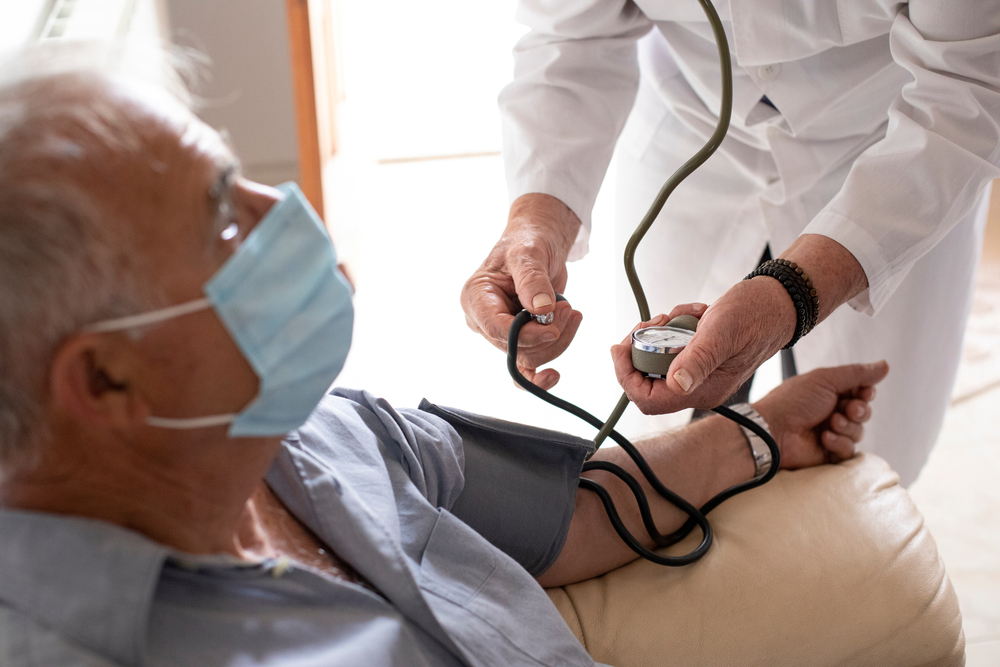
Did you know that high blood pressure can put you at risk of severe COVID-19 illness? While the exact connection is unknown, high blood pressure can increase the chances of severe conditions after getting infected by COVID-19 infection. The good news is high blood pressure is manageable by making changes in your lifestyle. Learn how high blood pressure can increase the risk of COVID-19 infection and how you can manage your high blood pressure in this article. Log on to www.doralhw.org for a consultation.
Are You at Risk? Understanding High Blood Pressure and COVID-19 Complications
During the COVID-19 pandemic, managing your high blood pressure is more important than ever. This condition is not only one of the most common underlying health issues globally, but it’s also a significant risk factor for developing severe COVID-19 illness, complications, and even death. According to recent research studies, nearly 21% of patients hospitalized with COVID-19 went on to develop high blood pressure, compared to only 16% of those hospitalized for the flu. Furthermore, 11% of outpatient COVID-19 patients developed high blood pressure post-infection, a significantly higher rate than the 4% seen in flu recovery patients.
Although the exact mechanism linking high blood pressure and increased COVID-19 risk is still being studied, several theories have emerged. One leading theory involves the immune system’s vulnerability. Individuals with long-standing hypertension often experience chronic inflammation, which can impair immune response and make it harder for the body to fight viral infections. Additionally, aging populations—already more likely to suffer from high blood pressure—often have weaker immune defenses. In fact, nearly two-thirds of adults over age 60 are affected by hypertension, placing them in a particularly high-risk category for severe outcomes from COVID-19.
Another key consideration is the role of blood pressure medications, specifically ACE inhibitors and angiotensin receptor blockers (ARBs). While some early studies raised concerns that these medications might interfere with immune function by affecting the ACE2 receptors—used by the virus to enter cells—subsequent large-scale analyses have found no conclusive evidence that these drugs worsen COVID-19 outcomes. On the contrary, discontinuing your high blood pressure medication can be far more dangerous. It may lead to a sudden increase in blood pressure, raising your risk of heart attack, stroke, or kidney failure—conditions that are already serious and become even more life-threatening when compounded by COVID-19.
It’s also important to remember that uncontrolled high blood pressure can silently damage your blood vessels, heart, and brain over time. When combined with a virus that causes widespread inflammation and vascular damage like COVID-19, the results can be catastrophic. Monitoring your blood pressure daily, maintaining a heart-healthy diet, limiting salt intake, exercising regularly, and managing stress are crucial parts of staying safe during a pandemic.
If you’re unsure whether your current blood pressure management plan is effective, or if you’ve recently had COVID-19 and haven’t checked your blood pressure since, now is the time to consult a cardiologist. Don’t make medication decisions on your own—always talk to your doctor before stopping or switching any high blood pressure treatments.
In summary, the evidence strongly supports that patients with high blood pressure must stay vigilant. Continue taking prescribed medications, avoid unnecessary risks, and focus on strategies that strengthen both your cardiovascular and immune systems. Staying proactive about your high blood pressure care is one of the most effective ways to protect yourself during and after the COVID-19 pandemic.
Uncontrollably high blood pressure can harden the vessels over the years which reduces blood flow and oxygen to organs and leads to serious complications such as heart attack, kidney damage, or stroke. If you get infected with COVID-19 along with high blood pressure, you may develop:
- Myocarditis (a condition that occurs due to inflammation affecting your heart muscle which decreases the ability to pump blood in the body).
- Fever and inflammation (increase your heart rate which increases the workload of the heart, and your heart may starve for oxygen).
- Destabilization of the plaque (which may block the artery resulting in a heart attack or stroke).
People who are at the highest risk of developing persistent high blood pressure after COVID infection include:
- People who are over 40 years old.
- Black race people.
- People with pre-existing conditions such as coronary artery disease, chronic obstructive pulmonary disease (COPD), and chronic kidney disease.
- Patients who take medications like corticosteroids or IV treatments for blood pressure get low during a COVID hospital stay.
Management tips
While high blood pressure can put you at risk of COVID-19, you can manage your blood pressure by making certain changes in your lifestyle, like:
- Eat a healthy diet:
You need to consume a healthy diet which is full of fruits and vegetables and limit your sodium and sugar intake. If you want a specific diet plan, you can consider the Dietary Approaches to Stop Hypertension (DASH) diet, which is a proven diet to help people manage their blood pressure.
- Stay physically active:
Staying physically active has many benefits for your health including lowering your blood pressure and helping in managing stress and weight loss. You should aim for at least 2 hours of physical activity every week. It can be anything, from a brisk walk to a morning jog or a quick yoga session, you need to ensure the things you do you do regularly to get results.
- Manage your weight:
If you’re overweight or obese, losing weight is necessary to manage blood pressure. Even a little reduction can have a significant impact on blood pressure.
- Drink alcohol in moderation:
Alcohol can raise your blood pressure, so you need to limit its consumption to two drinks for men per day and women should consume one drink per day.
- Quit smoking:
You need to quit smoking because it can severely increase your blood pressure and trigger plaque build-up in the arteries. So, quit it now to lower your blood pressure.
- Manage stress:
When you’re stressed, it may raise your blood pressure. So, try managing your stress by learning stress-relieving techniques such as deep breathing and meditation.
- Review your medications:
Generally, common pain medications like NSAIDs can increase your blood pressure. So, people with heart concerns should either limit or avoid NSAIDs especially, if their blood pressure is uncontrolled. So, review all medications with your doctor before use.
Common pain medications called NSAIDs can increase your blood pressure. People with heart concerns should limit or avoid NSAIDs, especially if their blood pressure is uncontrolled. Make sure to review all medications with your doctor before use.
Managing high blood pressure during the COVID-19 pandemic is necessary to prevent developing severe infectious illnesses or other health conditions that can be life-threatening. So, follow the above-mentioned tips to manage your blood pressure to lower your risk of COVID-19 infection. If your blood pressure is not managed with lifestyle change, then visit your doctor to get proper treatment to manage it.
“Your health is in your hands, so ensure its safety by preventing the risk of infections.” Need help with COVID-19 infection, visit our infectious doctors in Brooklyn clinic to get professional treatment. Don’t make your body suffer more from the infection, get professional help by visiting our infectious disease specialists in our Brooklyn clinic. They listen to your concerns and treat you accordingly. Get free tips on how to stay safe from infectious diseases. Call us on +1-347-384-5690. If you need any information on infections, log on to www.doralhw.org get a consultation. We have the best doctors that can help you and improve your quality of life!