Pudendal neuralgia treatment focuses on calming irritation of the pudendal nerve, the source of chronic pelvic and sitting pain. A pain management doctor typically combines physical therapy, nerve blocks, and lifestyle adjustments to relieve sitting pain and pelvic floor tension. Most patients see meaningful improvement within weeks when the condition is caught early and treated consistently.
Sitting through a meal, a car ride, or even a few minutes at a desk shouldn’t feel like a test of endurance. For people living with pudendal neuralgia, it often does. This condition affects the pudendal nerve, which runs through the pelvis and plays a central role in sensation around the hips, genitals, and lower back. When it becomes compressed or irritated, everyday sitting can trigger burning, aching, or stabbing pain.
Families watching a loved one avoid chairs, cancel plans, or wince during car rides understand how disruptive this condition can be. The good news is that pudendal neuralgia treatment has advanced significantly, offering real relief without relying solely on long-term medication.
What Causes Pudendal Neuralgia and Pelvic Floor Tension?
Pudendal neuralgia develops when the pudendal nerve becomes compressed, stretched, or irritated. Common contributors include:
- Prolonged sitting, especially on hard surfaces
- Childbirth-related nerve trauma
- Pelvic surgery or injury
- Chronic pelvic floor muscle tightness
- Repetitive strain from cycling or heavy lifting
Pelvic floor tension often worsens the condition, creating a cycle where muscle tightness compresses the nerve further, which then increases pain and tension. Breaking this cycle is central to relieving sitting pain and pelvic floor tension effectively.
How Does a Pain Management Doctor Diagnose Pudendal Neuralgia?
A pain management doctor usually starts with a detailed symptom history, since pudendal neuralgia shares symptoms with other pelvic conditions. Diagnostic tools may include:
- Physical and pelvic floor muscle examination
- Nerve conduction studies
- Diagnostic nerve blocks to confirm the pain source
- Imaging to rule out structural causes
Choose a diagnostic nerve block if your doctor needs to confirm the pudendal nerve is the true source of pain rather than a muscular or structural issue. This step helps avoid unnecessary treatments.
What Treatment Options Relieve Sitting Pain and Pelvic Floor Tension?
Physical Therapy
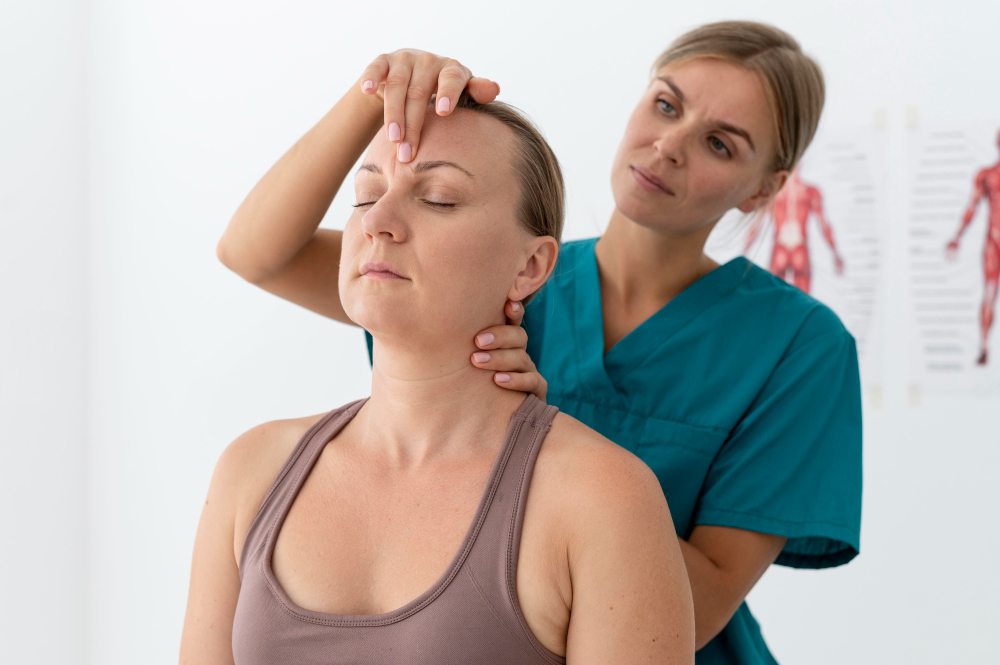
Pelvic floor physical therapy helps release muscle tension surrounding the nerve. According to the National Institute of Neurological Disorders and Stroke, nerve compression conditions often respond well to targeted physical therapy combined with activity modification.
Nerve Blocks
A pain management doctor may recommend a pudendal nerve block, which delivers anesthetic or anti-inflammatory medication directly to the affected area. Many patients experience relief within days, with effects lasting weeks to months.
Lifestyle and Seating Adjustments
Simple changes make a measurable difference:
- Using a cutout cushion to reduce direct nerve pressure
- Taking frequent breaks from sitting
- Avoiding cycling or high-impact activity during flare-ups
Choose seating modifications first if symptoms are mild, since they are low-risk and often reduce discomfort quickly.
What Should You Expect at a Pain Management Clinic in Brooklyn?
At a pain management clinic in Brooklyn, your first visit typically includes a thorough review of symptoms, triggers, and prior treatments. Your care team can then outline a personalized plan, whether that includes physical therapy, nerve blocks, or a combination of both.
Families supporting a loved one through chronic pelvic pain often find comfort knowing that a pain management clinic in Brooklyn can coordinate ongoing care, track progress over time, and adjust treatment as needs change.
Find Lasting Relief Through Our Pain Management Team
Chronic sitting pain shouldn’t define your daily routine or your family’s plans. Our Pain Management team works closely with patients and caregivers to build personalized care plans that relieve sitting pain and pelvic floor tension, so comfort becomes part of everyday life again. Schedule a consultation with our team today by calling +1-718-367-2555 or visiting us at 1797 Pitkin Avenue, Brooklyn, NY 1121 to start your path toward relief.