High blood pressure can feel like a quiet threat. You may not notice symptoms until a routine checkup reveals a troubling number. If you or your loved one has been told to make dietary changes, you have likely come across two popular options: the DASH diet and the Mediterranean diet. Understanding the difference between DASH and Mediterranean diet approaches can help you choose the path that fits your life and your health goals.
Both diets emphasize whole foods, but they were built for different purposes. This guide walks through which protocol better controls systolic pressure, so you can make an informed decision with confidence, ideally alongside your nutritionist or physician.
What Is the Difference Between DASH and Mediterranean Diet Plans?
The DASH diet, which stands for Dietary Approaches to Stop Hypertension, was designed specifically to lower blood pressure. It emphasizes fruits, vegetables, whole grains, and low-fat dairy, while limiting sodium, red meat, and added sugars.
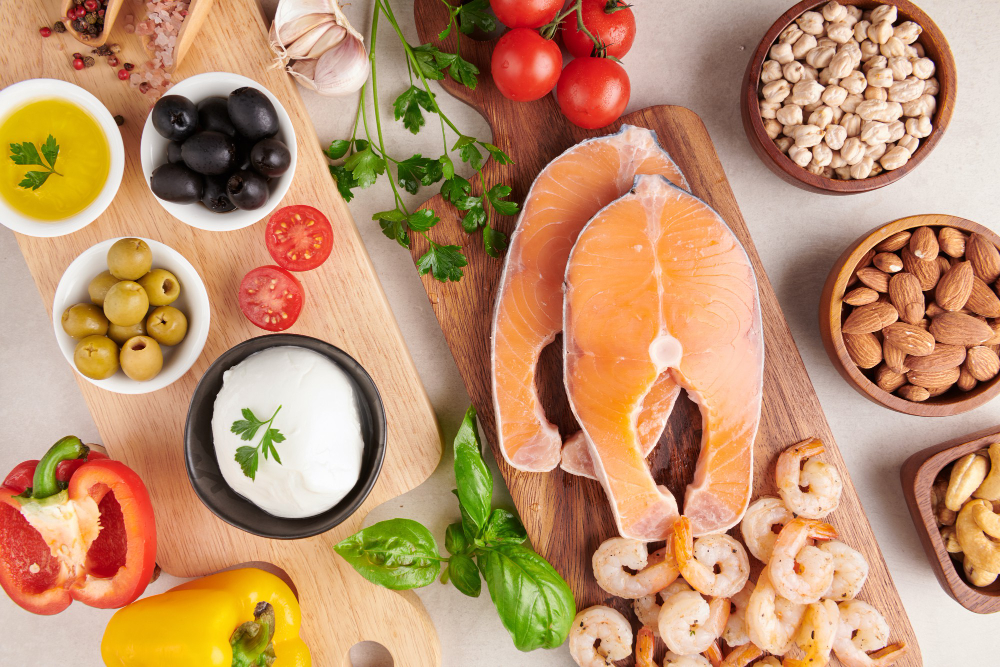
The Mediterranean diet, by contrast, grew out of the traditional eating patterns of countries bordering the Mediterranean Sea. It prioritizes olive oil, fish, legumes, nuts, and vegetables, with moderate wine consumption and less emphasis on sodium restriction.
Core Nutritional Differences
- Sodium focus: DASH sets strict sodium limits, often below 2,300 mg per day. The Mediterranean diet does not specifically target sodium reduction.
- Fat sources: DASH favors low-fat dairy and lean proteins. The Mediterranean diet encourages healthy fats like olive oil and fatty fish.
- Flexibility: The Mediterranean diet offers more flexibility around food choices and cultural adaptation, while DASH follows more structured daily and weekly targets.
Which Protocol Better Controls Systolic Pressure?
This is the question most people really want answered. Research consistently shows that the DASH diet produces measurable reductions in systolic blood pressure, often within just a few weeks of consistent adherence. Its structured sodium limits and emphasis on potassium-rich foods work directly on the mechanisms that drive blood pressure elevation.
The Mediterranean diet also supports healthy blood pressure, largely through its anti-inflammatory properties and heart-healthy fats. However, its effects on systolic pressure specifically tend to be more modest compared to DASH, since sodium intake is not tightly controlled.
If lowering systolic pressure quickly is your main goal, DASH may be the more direct option. If your goal includes broader cardiovascular and metabolic benefits over time, the Mediterranean diet offers a sustainable, less restrictive path.
Who Should Choose DASH?
Choose DASH if you have been diagnosed with hypertension and need a clear, measurable plan to bring your numbers down. A nutritionist can help you structure meals around DASH’s specific sodium and nutrient targets.
Who Should Choose the Mediterranean Diet?
Choose the Mediterranean diet if you want a long-term lifestyle approach that supports heart health, weight management, and overall wellness, not just blood pressure. Many people find it easier to maintain because it allows more variety and does not require strict sodium counting.
Can You Combine Both Diets for Better Results?
You do not have to choose one approach forever. Many nutritional consultants recommend blending DASH’s sodium awareness with the Mediterranean diet’s emphasis on healthy fats and whole foods. This combined approach, sometimes called the DASH-Mediterranean hybrid, has shown promise in supporting both blood pressure and overall cardiovascular health.
Working with a nutritional consultant in Brooklyn or in your local area can help you personalize this hybrid approach based on your specific health history, preferences, and goals.
Take the Next Step Toward Better Blood Pressure Control
You do not have to navigate this decision alone. Whether you lean toward the structure of DASH or the flexibility of the Mediterranean diet, the right choice is the one you can maintain consistently. Speak with our Nutrition team today by calling +1-718-367-2555 or visiting us at 1797 Pitkin Avenue, Brooklyn, NY 1121 to get guidance tailored to your specific needs. A small change in your daily meals today can lead to meaningful, lasting improvements in your heart health tomorrow.