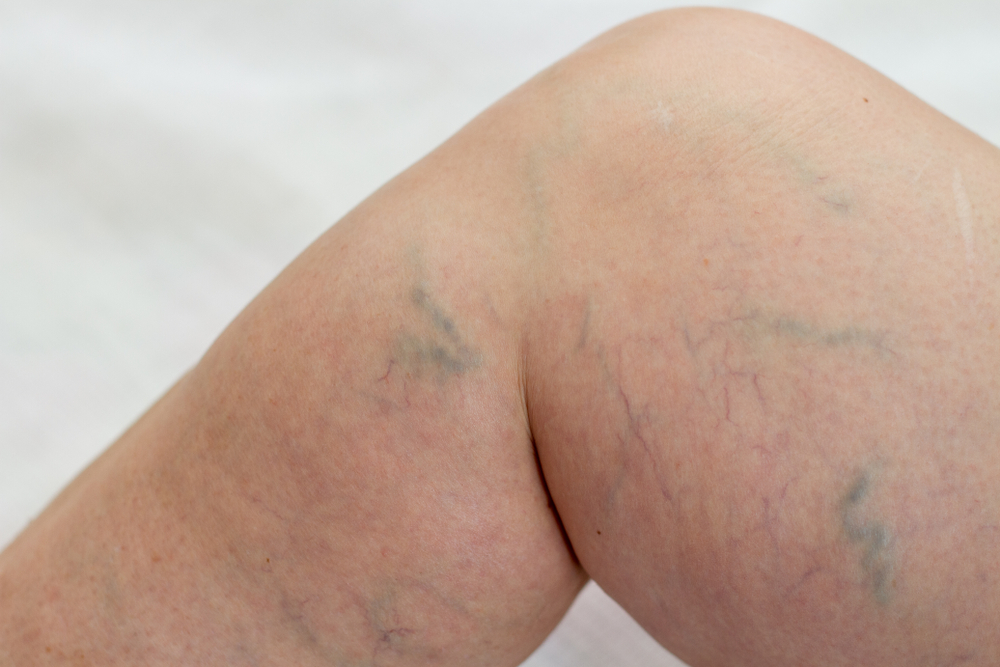
As temperatures drop, many people notice their varicose veins suddenly feel more swollen, achy, or visible. If you or someone you love has experienced this, you are not imagining it. Winter weather genuinely does make varicose veins act up, and understanding why can help you take the right steps before the discomfort gets worse.
Cold weather causes your blood vessels to constrict, which makes it harder for blood to flow smoothly back up through your legs. At the same time, winter often means less walking, more time bundled up indoors, and heavier clothing that can restrict circulation. Together, these seasonal changes create the perfect conditions for a winter flare-up of varicose veins. The good news is that once you know what is happening in your body, you can manage the discomfort and know when it is time to seek expert help.
Why Cold Weather Triggers a Varicose Vein Flare-Up
Reduced Blood Flow in Low Temperatures
When the temperature drops, your body naturally narrows your blood vessels to preserve heat and protect your core organs. This process, called vasoconstriction, makes it harder for blood to move efficiently through your veins, especially the ones already weakened by varicose vein disease. The result is often more visible swelling, heaviness, and aching in the legs.
Less Movement During Winter Months
Cold days tend to keep people indoors and less active. Since your calf muscles play a major role in pumping blood back up to your heart, reduced movement allows blood to pool in your lower legs.
Common Winter Varicose Vein Symptoms to Watch For
You do not have to guess whether your veins are reacting to the season. Watch for these common signs:
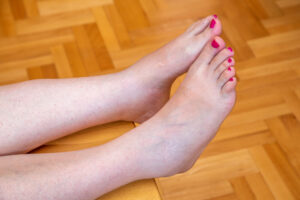
- Increased swelling. Your ankles or lower legs may look puffier than usual by the end of the day.
- Aching or heaviness. Many people describe a dull, tired feeling in the legs after sitting or standing for long periods.
- More visible veins. Cold weather can make bulging veins appear darker or more prominent.
- Skin changes. Dry winter air combined with poor circulation can lead to itchy or discolored skin near affected veins.
How to Manage Varicose Veins During the Colder Months
Small daily habits can make a real difference in easing winter flare-ups. Staying active indoors, even with light stretching or short walks, keeps blood moving. Elevating your legs in the evening and wearing compression stockings can also relieve pressure on overworked veins.
When to See a Varicose Veins Surgeon
If swelling, pain, or skin changes continue despite these steps, it may be time to talk to a varicose veins surgeon. Persistent symptoms can sometimes point to an underlying circulation issue that needs more than home care. A varicose veins surgeon can evaluate your vein health and recommend treatment options suited to your needs, whether that means conservative management or a minimally invasive procedure.
Find Relief This Winter
Varicose veins do not have to control how you or your loved one feels each winter.
Our Vascular team provides personalized evaluations to ensure your treatment plan fits your health needs. Reach out today by calling +1-718-367-2555 or visiting us at 1797 Pitkin Avenue, Brooklyn, NY 11212 to schedule a consultation.