Pregnancy foot changes, including swelling, flattening arches, and pain, happen because of fluid retention, hormonal shifts, and added weight that stretch the ligaments in your feet. Supportive footwear, orthotics, and simple at-home care can ease discomfort for most women.
Your feet carry you through every stage of pregnancy, and they often bear the brunt of the changes happening throughout your body. Swollen feet, flattening arches, and persistent foot pain are common complaints, but you don’t have to live with them.
Why Pregnancy Causes Foot Changes
Your body goes through remarkable transformations during pregnancy, and your feet are no exception. Hormonal shifts, added weight, and fluid changes work together to reshape how your feet feel and function.
Swollen Feet and Fluid Retention
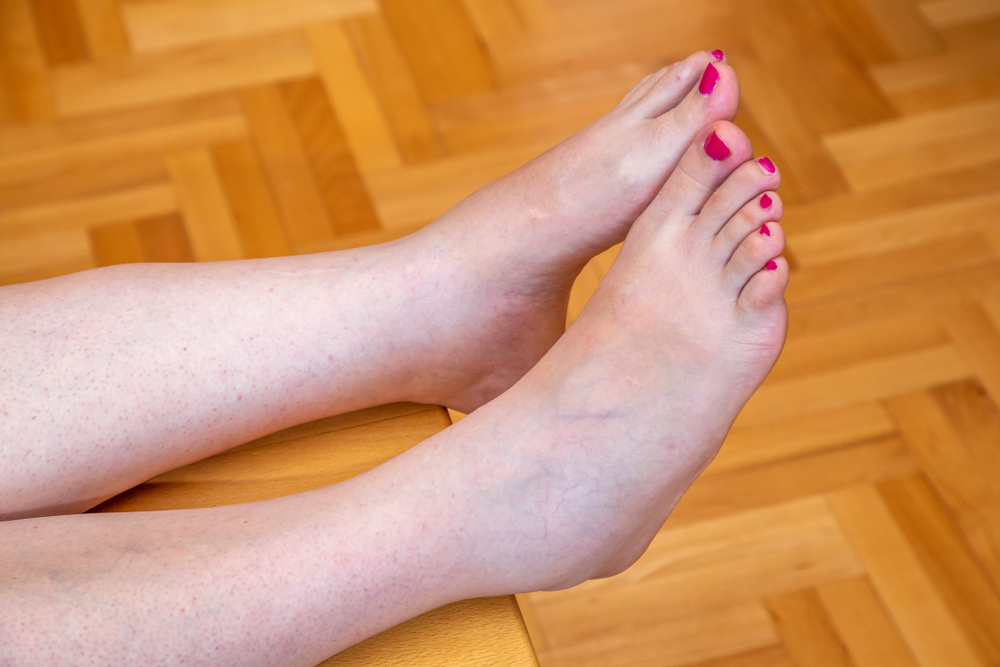
Swollen feet, medically known as edema, are one of the most common pregnancy foot changes. As your body produces roughly 50% more blood and fluid to support your growing baby, that extra fluid can pool in your lower legs and feet, especially later in the day.
Pressure from your growing uterus on the veins that return blood from your legs to your heart also slows circulation, making swelling more noticeable in the second and third trimesters. For most women, this swelling is uncomfortable but not dangerous.
Flattening Arches During Pregnancy
Flattening arches are another frequent pregnancy foot change, and they often surprise expectant mothers. A hormone called relaxin loosens the ligaments throughout your body to prepare for childbirth, including the ligaments that support your foot’s arch.
Combined with the added weight of pregnancy, this ligament laxity can cause your arches to flatten and your feet to widen, sometimes by a half size or more. For some women, this change becomes permanent even after delivery.
Pain Relief Strategies for Pregnancy-Related Foot Changes
You do not have to accept foot pain as an unavoidable part of pregnancy. A few targeted adjustments to your footwear and daily habits can make a meaningful difference in how your feet feel.
Footwear and Orthotics
Supportive shoes matter more during pregnancy than almost any other time in your life. Look for shoes with a wide toe box, cushioned soles, and adjustable closures that accommodate swelling throughout the day.
Custom or over-the-counter orthotics can also provide targeted arch support as your natural arches flatten, redistributing pressure more evenly across your foot. Many women find that the right pair of orthotics eases not only foot pain but lower back discomfort as well, since foot alignment affects your whole posture.
At-Home Relief Tips
Simple habits can ease swelling and discomfort between appointments:
- Elevate your feet: Prop your feet above heart level for 15 to 20 minutes a few times a day to encourage fluid drainage.
- Stay active: Gentle walking or swimming keeps circulation moving and prevents fluid from pooling.
- Soak and massage: A warm foot soak followed by gentle massage can relieve tension and improve circulation.
- Wear compression socks: Graduated compression socks support circulation and reduce swelling, especially during long periods of sitting or standing.
When to See a Podiatrist
Most pregnancy foot changes are manageable with the strategies above, but some signs call for professional attention. Sudden or severe swelling, especially if it affects just one leg, pain that limits your ability to walk, or numbness and tingling in your feet all deserve a closer evaluation.
Our podiatry team can assess whether your symptoms reflect typical pregnancy changes or something that needs additional care, such as plantar fasciitis or a circulation issue. Catching these concerns early means you can keep doing what you need to do, without foot pain slowing you down.
Finding Comfort at Every Stage
Pregnancy asks a lot of your body, and your feet deserve the same care and attention you give to every other part of your health. Recognizing why swelling and flattening arches happen takes away some of the uncertainty, and knowing your pain relief options puts you back in control.
Reach out to us today by calling +1-718-367-2555 or visiting us at 1797 Pitkin Avenue, Brooklyn, NY 11212 to schedule your consultation and start walking toward better foot health.