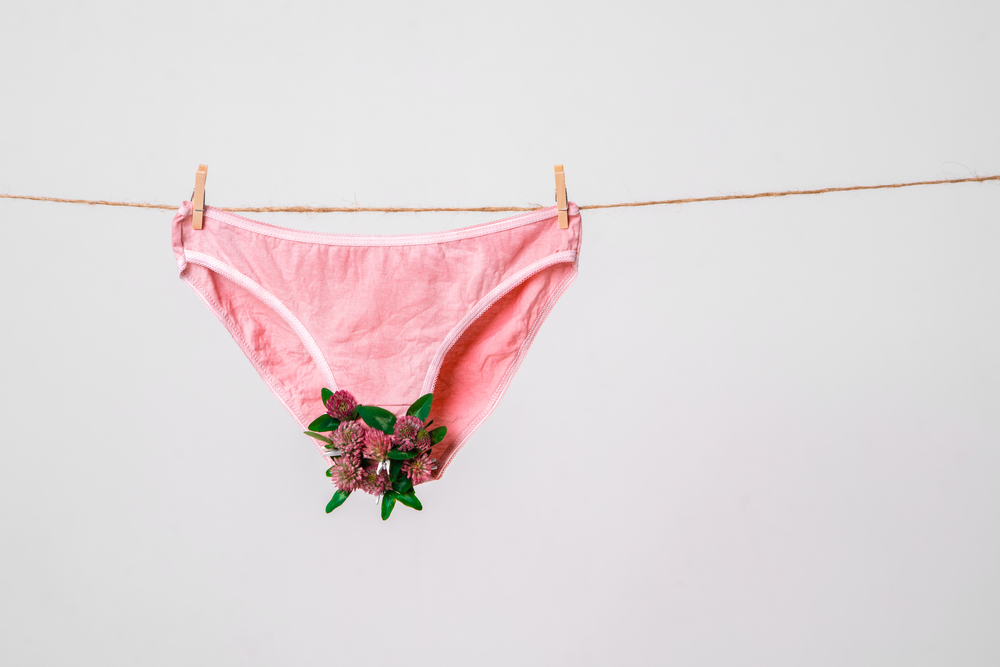
Although we all learn the basic rules of intimate personal hygiene growing up, feminine hygiene is still one of the hushed topics in our society. There tends to be a lot of confusion over what is right, what is safe, and what should be avoided when it comes to caring for our intimate areas. However, it is especially important for women of all ages to understand the proper ways to maintain vaginal hygiene in order to prevent infections, discomfort, and other potential health issues
Maintaining a Good Feminine Hygiene
Maintaining proper feminine hygiene involves simple yet essential habits, such as changing sanitary products regularly, avoiding harsh soaps and scented products, wearing breathable underwear, and cleansing the area gently with warm water. These practices help keep the genital area clean, maintain a healthy pH balance, and reduce the risk of developing yeast infections or bacterial vaginosis.
Remember that every woman’s body is different, and what works for one may not be ideal for another. If you’re unsure about what products or practices are right for you, or if you’re experiencing unusual symptoms like itching, burning, or abnormal discharge, don’t hesitate to seek professional guidance.
For more information and personalized care, schedule an appointment with the best GYN in Brownsville at Women’s Health – Doral Health & Wellness Brooklyn NY, where your vaginal health and well-being are our top priorities.
Here are some of the important dos and don’ts to stay fresh, clean, and healthy “down there”!
Keep your vagina dry
Keeping your vaginal area dry is one of the most overlooked but important aspects of feminine hygiene. While the vagina naturally produces fluids to stay healthy, excess external moisture—caused by sweat, urine, or tight, non-breathable clothing—can create a breeding ground for harmful bacteria and yeast.
To help reduce moisture and prevent infections like yeast infections or bacterial vaginosis, follow these essential feminine hygiene practices:
Wear breathable underwear: Choose cotton undergarments over synthetic fabrics, as they allow better airflow and help reduce moisture retention.
Change out of wet clothing promptly: Whether you’ve been working out, swimming, or simply sweating, staying in damp clothes (especially tight ones) can increase your risk of irritation or infection.
Wipe correctly after using the bathroom: Always wipe from front to back to prevent bacteria from the rectal area from reaching the vagina and urinary tract.
Avoid panty liners daily: While useful occasionally, wearing them constantly can trap moisture and heat, disrupting your vaginal balance.
Practicing these simple yet powerful habits can help you maintain optimal feminine hygiene and reduce the likelihood of discomfort or infection.
Change sanitary pad every 4-6 hours
One of the golden rules of feminine hygiene is maintaining cleanliness during menstruation by changing your sanitary products regularly. Failing to do so can lead to not just discomfort, but also serious health issues. When sanitary pads or tampons are left unchanged for too long, they can create a warm, moist environment that promotes bacterial growth—leading to rashes, infections, and unpleasant odors.
As a standard feminine hygiene practice, it’s recommended to:
Change your pad every 4 to 6 hours.
During heavy flow days, shorten that time to every 3 to 4 hours to maintain freshness and avoid leaks.
If you’re using tampons, never exceed 6 hours of wear time. Extended use can increase your risk of Toxic Shock Syndrome (TSS), a rare but serious bacterial infection.
Remember, good feminine hygiene during your period not only improves your comfort, but also supports your reproductive health in the long run. Choose products that suit your body, and always carry extra pads or tampons in your bag to stay prepared wherever you go.
Don’t use soap
Strongly perfumed or antibacterial soaps can negatively affect your vagina’s natural pH level. This delicate balance is essential for maintaining healthy bacteria (like lactobacilli) that protect against infections such as bacterial vaginosis or yeast infections. When this balance is disrupted by harsh soaps, it increases your risk of irritation, dryness, and infection.
Instead of using soap, gently wash the external genital area (the vulva) with warm water. If you prefer using a cleanser, opt for a mild, unscented, and pH-balanced feminine wash that’s specially designed for intimate care. Remember, the vagina is self-cleaning—there’s no need to wash inside.
Maintaining proper feminine hygiene doesn’t require aggressive cleaning—just gentle, consistent care. If you’re experiencing recurring irritation or infections, consult a GYN specialist to rule out underlying issues.
Clean up the vagina after sex
It’s essential to clean your vaginal area after sex—not just for freshness, but for health. Sexual activity can leave behind body fluids, sweat, and bacteria, all of which can cause irritation or increase the risk of infections like UTIs (urinary tract infections) and bacterial vaginosis.
After intercourse, gently wash your external genital area with warm water. Avoid using harsh soaps or douching, which can disrupt your natural pH balance and lead to irritation. Urinating after sex is also highly recommended, as it helps flush out any bacteria that may have entered the urinary tract.
This simple post-sex hygiene routine can go a long way in supporting your feminine health and reducing the likelihood of discomfort or infection.
Do not shave off pubic hair
When it comes to feminine hygiene, many women believe that shaving all their pubic hair is the cleanest option—but that’s a common misconception. Pubic hair actually plays an important role in protecting your intimate area. It helps reduce friction, prevents bacteria and dirt from entering the vagina, and serves as a natural defense barrier.
Completely shaving can lead to small cuts, razor burns, and skin irritation, all of which increase the risk of infections. These tiny abrasions make it easier for harmful bacteria to enter the skin, potentially causing ingrown hairs or even urinary tract infections (UTIs). From a feminine hygiene standpoint, this can do more harm than good.
If you prefer a groomed look, consider trimming with clean scissors or using a bikini trimmer instead. It’s a safer and healthier alternative that supports your overall feminine hygiene while avoiding unnecessary risks.
See your gynecologist annually
Seeing your gynecologist at least once a year is one of the most essential practices for maintaining proper feminine hygiene. Regular check-ups help ensure that you’re on top of important screenings like Pap smears, pelvic exams, and STD testing, which are all key to protecting your reproductive health.
Beyond medical tests, your annual visit is also a valuable opportunity to ask questions or express any concerns about vaginal discharge, menstrual cycles, birth control, or any feminine hygiene routines you may be unsure about. Many women unknowingly adopt habits that may disrupt their vaginal pH or increase the risk of infections—your gynecologist can guide you toward safe and effective feminine hygiene practices.
Prioritizing these annual visits not only supports your overall health but also empowers you to make informed decisions that positively impact your daily feminine hygiene care.
Do not ignore signs of infection
Your body sends signals when something isn’t quite right, and vaginal infections are no exception. Feminine hygiene goes beyond just maintaining cleanliness—it’s crucial to pay attention to any changes or unusual symptoms that may indicate an infection. If you notice a persistent stinky odor, unusual colored discharge (yellow, green, or gray), or changes in the consistency of your vaginal discharge, it’s important not to ignore these signs.
An itchy vagina, discomfort, or pain during urination or intercourse could also be early indicators of conditions like yeast infections, bacterial vaginosis, or even sexually transmitted infections (STIs). Ignoring these symptoms can lead to more serious complications, making it essential to consult a healthcare provider right away.
Remember, feminine hygiene involves regular check-ups with your gynecologist, staying informed about your body, and seeking help if anything feels off. Early detection and treatment are key to maintaining your reproductive health and preventing infections from escalating.
Every woman should know the most basic feminine hygiene to ensure a healthy vagina. You know yourself and your vagina better than anyone else, so if you notice something is not right, call your gynecologist immediately to book an appointment.
At Doral Health and Wellness – Women’s Health Center, we have the best GYN doctor in East New York, and we provide women with quality healthcare services. To schedule an appointment, you can visit us at 1797 Pitkin Avenue, Brooklyn, New York 11212, or call us on 1-347-384-5690 or 1-347-955-3465. You can also visit our website to book an appointment online at Women’s Health – Doral Health & Wellness Brooklyn NY