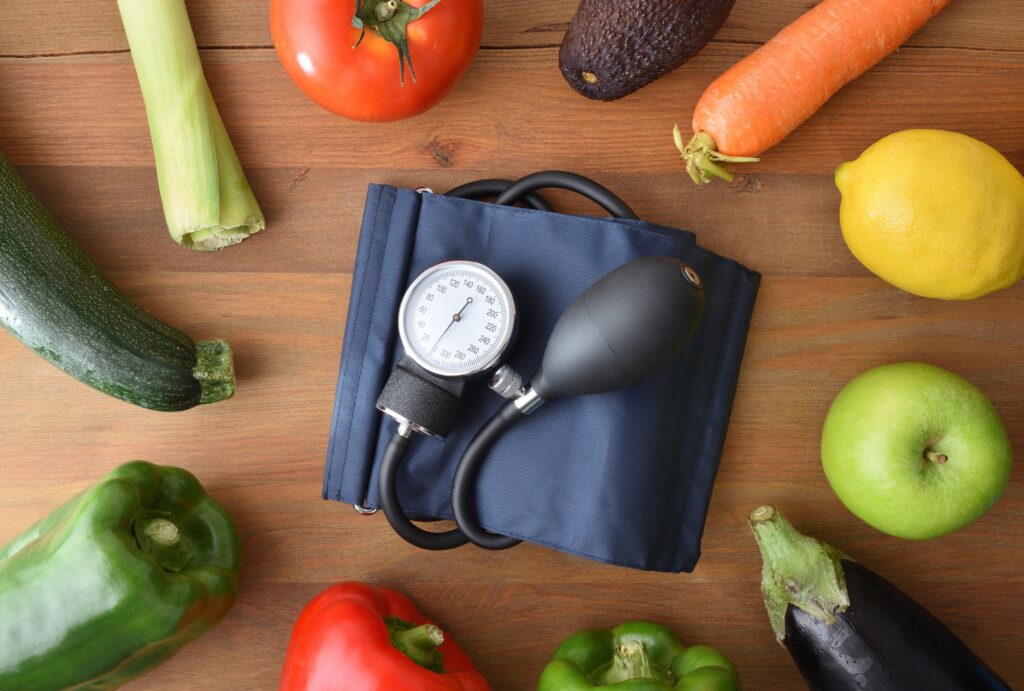
High blood pressure, also known as hypertension, is one of the most widespread chronic conditions among adults worldwide. While it often develops gradually over many years, its long-term effects can be serious—damaging your arteries, heart, brain, and kidneys if left uncontrolled. Fortunately, many individuals can effectively manage hypertension without relying solely on medication. By adopting targeted lifestyle and dietary changes, it’s possible to not only reduce your blood pressure but also improve your overall cardiovascular health.
Incorporating heart-healthy habits into your daily routine—such as choosing foods rich in potassium and magnesium, staying physically active, managing stress levels, and maintaining a healthy weight—can significantly influence how your body regulates blood pressure. These natural approaches are especially helpful for those with early-stage hypertension or individuals looking to prevent the condition altogether.
In this article, you’ll learn about 11 scientifically backed lifestyle changes that can help you manage hypertension naturally and sustainably. Don’t wait for symptoms to worsen—take control of your health today. If you’re ready for professional guidance, schedule a consultation with the best cardiologists in Brooklyn who specialize in comprehensive hypertension care.
Managing Hypertension Naturally: 11 Lifestyle Changes That Work
You can manage your hypertension naturally by making some lifestyle changes that work. These include:
- Exercise regularly:
Regular exercise is widely recognized as one of the most powerful natural strategies to manage hypertension and improve overall cardiovascular health. Engaging in consistent physical activity strengthens the heart muscle, enabling it to pump blood more efficiently throughout your body. This improved cardiac efficiency helps reduce the pressure exerted on your arteries, thereby lowering your blood pressure levels.
Health experts generally recommend aiming for at least 150 minutes of moderate-intensity exercise per week—equivalent to about five hours of activities like brisk walking, gardening, or casual cycling. Alternatively, 75 minutes of vigorous exercise, such as running or aerobic classes, can also provide significant benefits in controlling hypertension. Research indicates that increasing the duration or intensity of your workouts may lead to even greater reductions in blood pressure, making regular exercise a cornerstone in managing hypertension naturally.
If you are new to exercise or have been inactive, starting with simple activities like walking for 30 minutes a day can be an effective and manageable way to begin lowering your blood pressure. You can also choose other aerobic exercises that you enjoy, such as jogging, swimming, dancing, or cycling, to maintain motivation and consistency.
For those looking to intensify their workouts, high-intensity interval training (HIIT) is an excellent option. This form of exercise alternates short bursts of vigorous activity with periods of lighter recovery, which can enhance heart health and aid in the management of hypertension.
In addition to aerobic exercise, incorporating strength training at least two days a week is recommended to build muscle mass, support metabolism, and further improve blood pressure control. However, if you have existing health concerns or severe hypertension, it’s important to consult your healthcare provider before starting a new exercise program to ensure your routine is safe and tailored to your needs.
In summary, regular physical activity plays a vital role in naturally managing hypertension and protecting your cardiovascular system. Making exercise a consistent part of your lifestyle can help you maintain healthier blood pressure levels and reduce the risk of hypertension-related complications.
- Maintain a healthy weight:
Blood pressure usually increases as your weight increases because when you’re overweight, it disrupts your breathing when you sleep (also known as sleep apnea). This further raises your blood pressure. Losing weight is the best way to manage and control blood pressure. If you’re overweight or obese, even losing a slight bit of weight can make a significant improvement in your blood pressure. According to a 2016 study, losing just 5% of weight can significantly lower hypertension.
This effect gets higher if your weight loss is paired with exercise because losing weight helps your blood vessels to expand and contract more efficiently, while exercise ensures your heart pumps blood properly, leading to a lowering of blood pressure.
- Reduce sodium intake:
Consuming a little less sodium in the diet can improve heart health and blood pressure. It happens because sodium affects blood pressure by retaining water, increasing blood volume, and applying more pressure on the blood vessel walls. While a normal amount of sodium is necessary for the body, people intake sodium hidden in processed foods much higher than the recommended level.
The general limit of sodium intake is 2,300 mg a day or less, however, it is less for most adults, around 1,500 mg a day or less. Many studies have even linked high salt intake with high blood pressure and heart problems like stroke. That’s why it is important to lower your sodium intake in your diet. To do that, follow these tips:
- Read food labels: Check for low-sodium versions of foods and drinks.
- Eat fewer processed foods: Try to avoid eating outside, instead cook your meals at home, and lower your intake of processed foods or choose small amounts of sodium.
- Don’t add table salt: If possible, replace your table salt with herbs and spices to add flavor to food.
- Cook: When you are at home, try to control the amount of sodium in the food.
- Consume more potassium-rich foods:
Potassium is an essential mineral that helps the body to remove sodium and ease pressure on blood vessels. In modern diets, people consume more sodium and less potassium. So, try to find the right balance of potassium and sodium in your diet, focusing on eating fewer processed foods and more fresh, whole foods. Foods that are rich in potassium are leafy green vegetables, bananas, avocados, oranges, milk, yogurt, beans, etc.
- Eat dark chocolate or cocoa:
Eating some amounts of dark chocolate may help short-term blood pressure in healthy adults. It happens because dark chocolate or cocoa powder is rich in flavonoids, a plant-based compound that leads to dilation of the blood vessels. To get good results, use non-alkalized cocoa powder that is high in flavonoids and contains no added sugars.
- Eat calcium-rich foods:
Calcium plays a crucial role in maintaining healthy blood pressure levels, and its intake has been closely linked to the management of hypertension. Studies suggest that individuals with low calcium intake are more prone to developing high blood pressure, making it essential to consume adequate amounts of this vital mineral as part of a heart-healthy diet.
To help manage hypertension, it is ideal to include a variety of calcium-rich foods in your daily meals. Dairy products such as milk, yogurt, and cheese are excellent sources of calcium and can easily fit into most diets. Additionally, non-dairy options like leafy green vegetables (such as kale, spinach, and collard greens), beans, sardines, and tofu are nutritious alternatives that can effectively boost your calcium intake.
Since calcium needs can vary based on age, sex, and health conditions, consulting your healthcare provider is a smart step to determine your specific daily calcium requirements. This personalized guidance ensures you consume the right amount to support your cardiovascular health without risking excessive intake.
Incorporating calcium-rich foods into your diet is a natural and effective way to aid in the control of hypertension, as calcium helps blood vessels contract and relax properly. Along with other lifestyle changes, a diet adequate in calcium can contribute significantly to lowering blood pressure and reducing the risks associated with hypertension.
- Consume magnesium:
Magnesium is an essential mineral that helps your blood vessels relax. Magnesium deficiency is rare, but many people don’t get enough magnesium in their diet. Some studies reveal that getting too little magnesium is linked with high blood pressure, but evidence from clinical studies is not very clear. Still, you need to ensure you consume enough magnesium by consuming magnesium-rich foods like vegetables, dairy products, legumes, chicken, beef, and whole grains to prevent it.
- Limit alcohol:
Drinking alcohol can not only raise your blood pressure but also increase the risk of chronic health conditions like hypertension. Research shows that limiting alcohol intake can protect the heart and offset its negative effects. That’s why it is recommended to take only one drink a day for women or two drinks per day for men. If you consume more than that, you need to consider limiting your intake.
- Quit smoking:
Smoking is one of the many reasons that you have high blood pressure and may even develop heart disease in the future. The reason behind this is that the chemicals used in tobacco can damage blood vessels. Studies haven’t found a concrete link between smoking and high blood pressure. This is because people who smoke regularly develop a tolerance over time, but later on in life, their risk of heart and lung disease increases exponentially. So, ask your doctor for help to find ways to quit smoking.
- Manage stress:
If you experience long-term stress, then your body stays in constant fight-or-flight mode, which means your heart beats faster, and this constricts the blood vessels. Some people engage in habits that negatively affect their blood pressure, like drinking alcohol excessively and eating processed foods. So, you must manage your stress; here are some techniques to help you manage your stress:
- Don’t try to do too much: Plan your day and focus only on the important tasks. Learn to say no and avoid unnecessary things and give enough time to do the things that need to be done.
- Focus on issues that you can handle and make plans to solve them: For an issue at work, talk to your senior or manager for a solution. For conflicts with your kids or partner, find ways to resolve them by taking advice from an elder, or family members.
- Stay away from stress triggers: For instance, if you are stuck in traffic that causes stress, try to take a different route or use public transit to avoid that. Or better yet, use that time to listen to your favorite podcast series. Try to avoid the stress triggers as much as possible.
- Make time to relax: Take time each day to relax by walking, meditating, and sitting alone and breathing deeply. Take some time for activities you enjoy like cooking, singing, gardening, etc.
- Practice altruism and gratitude: Doing good for other people makes you feel good and lowers your stress.
- Listen to soothing music: Listening to calming music can help you relax your nervous system. Extensive research has found it effective for lowering blood pressure.
- Monitor your blood pressure:
Monitoring blood pressure at home or visiting the doctor for regular checkups allows you to ensure that your medicines and lifestyle are working to control your blood pressure and give you mental peace. Your doctor will also guide you about other changes you need to make for optimal results.
Many people struggle to manage their high blood pressure. The above-mentioned lifestyle changes can help you manage hypertension naturally to ensure better life quality.
Need help with hypertension management? Visit our cardiology clinic in Brooklyn to get professional medical help. Call us to book your appointment now!!!!
For any cardiovascular problems, call us on +1-718-367-2555. The Cardiologists at Doral Health & Wellness consistently have outstanding patient satisfaction ratings. The professionals at Doral Health & Wellness Cardiology Brooklyn can improve your health and quality of life because of their vast training and experience. New Yorkers can get the greatest medical, surgical, and cardiovascular care at Doral Health & Wellness Brooklyn. Visit us at 1797 Pitkin Avenue, Brooklyn, NY 11212.