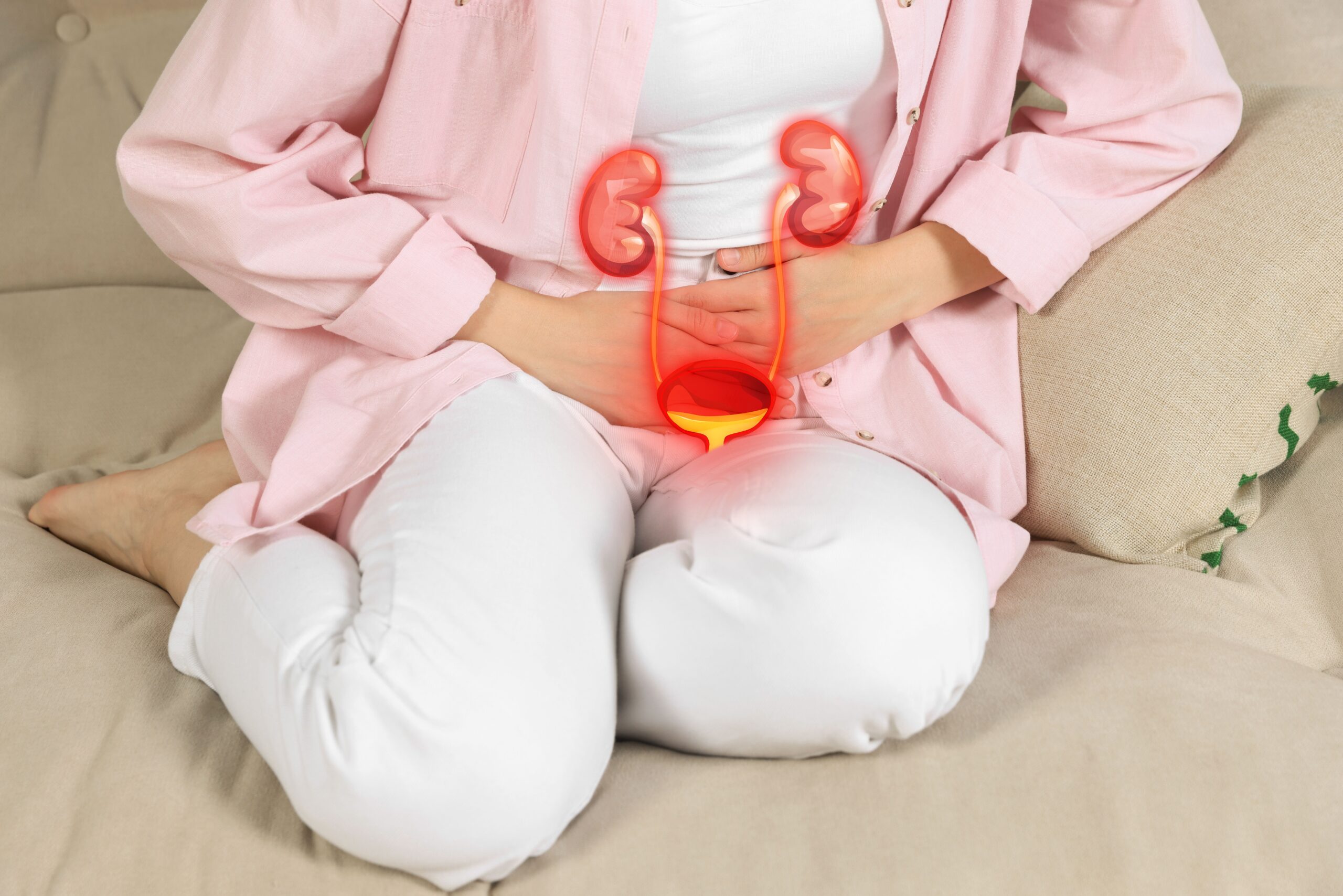
If you’re experiencing kidney pain, chances are you have a UTI that caused a kidney infection. This infection occurs when bacteria from the urinary tract go up from the urethra and affect one or both kidneys. Timely medical attention is required as soon as you notice the symptoms of a kidney infection, otherwise, it may lead to permanent kidney damage or spread to other parts of the body. Learn about the causes and treatment options of kidney infection in this article. If you want to know more about urological health, visit us at Doral Health and Wellness Urology Center and consult with the best nephrologists and urologists in East New York.
Causes & Risk Factors
A kidney infection caused by bacteria or viruses is a type of urinary tract infection. It occurs when bacteria enter the urethra and multiply in the bladder, causing an infection. This infection reaches the kidneys and causes kidney pain. It is often caused by cystitis, another type of UTI. You may get this bacterial infection from another part of the body that travels to the kidneys through the bloodstream. In rare cases, an artificial joint or heart valve that becomes infected can cause a kidney infection. Rarely, a kidney infection may also occur after kidney surgery.
Certain factors increase the risk of kidney infection
- Blockage: If anything is blocking your kidneys from emptying the pee from your urinary tract, it can allow bacteria to grow and travel to your kidneys. It includes kidney stones, an enlarged prostate, and uterine prolapse. During pregnancy, pressure on your bladder also increases the risk.
- Vesicoureteral reflux: It is a condition where urine goes in the wrong direction and backs up from the bladder.
- Medical conditions: Medical conditions like diabetes, HIV, and a weakened immune system due to medications can increase the risk of infections.
- Your anatomy: Women have a shorter urethra, which makes it easier for bacteria to infect the bladder and kidneys after a bowel movement or during sexual intercourse.
- Damaged nerves around the bladder: If the nerve or spinal cord is damaged and blocks the symptoms of a bladder infection, it increases your risk of the infection traveling to your kidney without you knowing.
- Using a urinary catheter: These are tubes that drain urine from the bladder. Sometimes it is used after a surgical procedure or diagnostic test. Mostly, people who are confined to a bed use this, which increases the risk of infection as it keeps the area open.
Symptoms
Kidney infection usually progresses over a few hours, you may experience symptoms such as:
- Elevated temperature.
- Feeling sick.
- Muscle ache.
- Flu-like symptoms.
- Pain, burning, or stinging sensation in urine.
- High urge to pee or peeing more frequently.
- Pee that appears dark or cloudy.
- Diarrhea.
- Lower back or side pain.
In young children, you may notice symptoms like:
- Wetting the bed
- Being drowsy
A child under the age of 2 may only have a high temperature as a symptom.
Treatment & Prevention
To treat a kidney infection, the doctor performs a urine test to determine which bacteria are causing your infection. According to the results, the doctor will prescribe you an antibiotic course for at least a week or two. During that time, you need to take enough rest and drink plenty of fluids.
If your symptoms don’t improve, you may need to go to the hospital to get an intravenous antibiotic treatment. If a person experiences dehydration, fluids may be given through a drip. Usually, an individual may need to stay in the hospital for 3 to 7 days.
In case you have a kidney stone or an enlarged prostate that is blocking your urinary tract, surgery is recommended to remove them.
Often, a kidney infection occurs from a preexisting infection in the urinary tract. The best way to prevent a kidney infection is to take steps to avoid an infection in the urethra or bladder. Here are some tips that help you prevent a kidney infection:
- Hydration: Drink plenty of fluids, particularly water, to flush out the waste from your body through urine.
- Urination: If you have an urge to urinate, don’t wait.
- Sexual intercourse: Make sure you urinate before and after intercourse and wash your genitals to avoid bacteria going inside the urethra.
- Hygiene: For good hygiene, wash your genitals every day and change out wet or sweaty underwear to prevent bacteria from getting into your body. Avoid using deodorant sprays or douche on the genitals. After passing stools, wipe your anus from front to back to lower the risk of bacteria spreading to the genitals.
- Fiber: Eat plenty of fiber to pass stools easily and prevent irritation or skin lesions.
- Get treated for constipation: While it is not a symptom of kidney infection, it can increase the risk of having bacteria in your urinary tract because it makes it difficult to empty your bladder completely.
Kidney pain with UTI generally occurs due to a kidney infection when bacteria reach the kidneys and affect their functions. It is more common in females than males. Treatment can improve your condition quickly if taken on time. While some ways can help prevent this infection mentioned above. Always speak with your doctor if you notice signs of kidney infection because it can lead to a serious condition that may need hospital treatment.
Need help with kidney problems? Visit our urology clinic in Brooklyn to get professional medical help. Call us to book your appointment now!!!! At Doral Health and Wellness Urology Center, our team of urologists will work with you in managing your disease and your quality of life. We also offer services, such as renal and bladder ultrasound. To schedule an appointment, please visit us at 1797 Pitkin Avenue, Brooklyn, New York 11212 or call +1-718-367-2555. You can also visit our website at https://www.urologistbrooklyn.com/.