Watching someone you love struggle with pain that will not ease is exhausting. It is even harder to understand when raising their opioid dose seems to make the pain worse instead of better. This confusing reality has a name: opioid-induced hyperalgesia.
If you or a family member are managing opioid-induced hyperalgesia, you are not imagining things, and you are not alone. This guide explains why increasing dosages sometimes worsens pain, what causes this paradox, and how a pain management specialist can help you find real relief.
What Is Opioid-Induced Hyperalgesia?
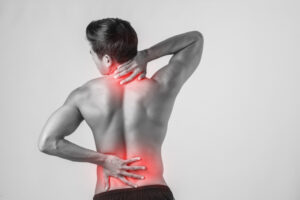
Opioid-induced hyperalgesia, often shortened to OIH, is a condition in which the body becomes more sensitive to pain after prolonged opioid use. Instead of dulling discomfort, the nervous system begins amplifying it. For patients and families already stretched thin by chronic illness, this can feel like a cruel twist.
How OIH Differs from Opioid Tolerance
Tolerance happens when the body needs more medication to achieve the same pain relief. OIH is different. With OIH, more medication actually heightens pain sensitivity. Your loved one may describe pain spreading to new areas of the body or feeling more intense than before, even though nothing physically changed. Recognizing this distinction is the first step toward managing opioid-induced hyperalgesia effectively.
Why Increasing Dosages Sometimes Worsens Pain
This is one of the most difficult parts of OIH to accept. It feels counterintuitive. Yet understanding why increasing dosages sometimes worsens pain can bring real clarity to a frightening situation.
The Science Behind the Paradox
Long-term opioid use can change how the central nervous system processes pain signals. Over time, nerve pathways become overactive, and the brain starts interpreting normal sensations as painful. According to the National Institute on Drug Abuse (2023), prolonged opioid exposure can alter pain processing pathways in ways that increase sensitivity rather than reduce it. This means the medication meant to help is, paradoxically, contributing to the problem.
Managing Opioid-Induced Hyperalgesia: What Are Your Options?
You do not have to navigate this alone. Clear, proven paths forward exist, and a pain management specialist can guide your family through each one.
Role of a Pain Management Specialist
A pain management specialist is trained to recognize the signs of OIH and distinguish them from tolerance or disease progression. They review medication history, assess pain patterns, and create a plan tailored to your loved one’s specific needs. This kind of expert evaluation is essential, since adjusting opioids without guidance can make symptoms worse.
Treatment Strategies
Common approaches to managing opioid-induced hyperalgesia include:
- Gradual dose reduction: Slowly tapering opioid use under medical supervision to help reset pain sensitivity.
- Medication rotation: Switching to a different opioid or non-opioid medication that works through a different pathway.
- Multimodal pain therapy: Combining physical therapy, nerve blocks, or non-opioid medications to reduce reliance on opioids alone.
- Behavioral and psychological support: Addressing the emotional toll of chronic pain alongside the physical symptoms.
Each plan looks different because each patient is different. That is why personalized care plans matter so much in this process.
Finding Help at a Pain Management Clinic in Brooklyn
If your family is searching for answers, a pain management clinic in Brooklyn can offer the specialized evaluation and ongoing support needed to manage OIH safely. Local clinics offer in-person visits, consistent monitoring, and a care team that gets to know your loved one over time. A pain management clinic in Brooklyn can also coordinate with your existing physicians, so nothing falls through the cracks during treatment adjustments.
Taking the Next Step Toward Relief
Living with pain that seems to defy logic is draining, both physically and emotionally. But understanding opioid-induced hyperalgesia changes everything. It turns confusion into a clear path forward.
Our Pain Management team is here to help your family find that path. Reach out today by calling +1-718-367-2555 or visiting us at 1797 Pitkin Avenue, Brooklyn, NY 1121 to schedule a consultation and take the first step toward real, lasting relief.