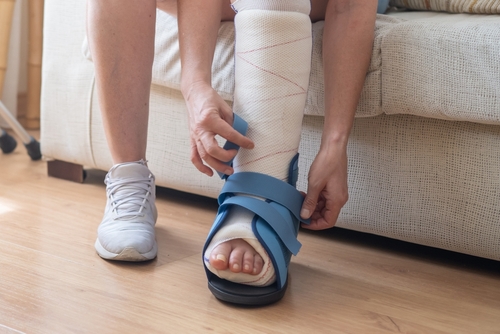
Are you experiencing severe pain in the long bones of the toes due to a metatarsal fracture? This type of fracture needs early intervention to ensure safer recovery and function restoration. It is caused by different factors like excessive pressure, foot deformities, repetitive stress, and medical conditions like arthritis or bursitis. Learn about the metatarsal fracture recovery timeline with rehabilitation support in this article. Get a consultation with the best Podiatrists in Brooklyn.
Recovery Timeline Of Metatarsal Fracture
Recovery can take anywhere from 2 to 12 weeks (about 3 months) based on the severity of your injury. Here is a breakdown of the recovery timeline:
- 0 – 3 weeks:
During this phase, you need to wear specific boots that will provide comfort and take pressure off the affected foot and use crutches to walk. You can remove those boots at night and when you rest at home. You can start exercises guided by a physical therapist gradually when you are able to maintain and improve your foot movement.
- 3 – 6 weeks (about 1 and a half months):
During this phase, you can stop using the boot and walk with crutches. First, make sure you can walk around the house normally, and then outside. You can use the boot if you’re going on a long walk. You can continue exercising to regain foot flexibility.
- 6 – 12 weeks (about 3 months):
Your injury will be healed, almost, with just some mild symptoms left. You can resume your normal daily activities but make sure if you experience pain, take help or rest to improve. Avoid heavy tasks or long walks that may cause some discomfort or swelling.
- 12 weeks (about 3 months) or more:
If you are still experiencing severe pain and swelling, contact your podiatrist for care and support.
Other considerations:
Typically, injuries take up to 6 weeks (about 1 and a half months) to heal. During that period, pain and swelling are often the most common symptoms. To manage swelling, which mostly gets worse at the end of the day, elevate your foot above heart level to reduce it. For pain, take painkillers as prescribed. Only start walking when you feel comfortable (in the early stages of recovery). The boot design is to provide you comfort; not only does it aid in fracture healing, but it can also help to relieve your symptoms. Make sure you follow up with your doctor for checkups and monitor your recovery.
In case you’re diabetic, it is recommended that you discuss your boot design, especially if you have any problems with it. To ensure you get specific needs and health concerns addressed based on your foot health. You can choose a supportive shoe for an uninjured foot to ensure it matches the height of the injured foot and reduce stress on other joints.
In extreme cases, it is suggested to quit smoking because it interferes with healing time, based on medical evidence. So, for optimal recovery during the healing phase, make sure you stop smoking.
Rehabilitation
For metatarsal fracture rehabilitation, doctors recommend physiotherapy during your recovery phase. It involves various exercises like strengthening exercises, toe mobilization, and weight-bearing exercises to strengthen the bone, improve mobility, and range of motion. Some of the common exercises prescribed during rehabilitation are:
- Toe stretch and flex:
This exercise helps to improve tightness in the toes and ball of the foot, and improve discomfort linked with metatarsalgia. To perform this exercise, you need to sit on a chair with your feet on the floor. Gently pull your toes backwards to the shin using your fingers. Hold this position for 15 to 30 seconds and then release. Repeat 2 to 3 times.
- Marble pickup:
This exercise helps to enhance toe strength and relieve pressure from the metatarsal region. To perform the exercise, place some marbles or beads on the floor and use your toes to pick them up and put them in an empty bowl. Make sure to pick one marble at a time. Do this exercise for 5 minutes, alternating between your feet.
- Foot roll:
This exercise helps to massage the metatarsal area, improve blood flow, and lower inflammation. To perform the exercise, you need to sit on a chair and place a golf ball or frozen water bottle under the arch of your feet. Roll the ball back and forth under your heel and the ball with your foot for 2 to 3 minutes. Apply gentle pressure when you roll the ball to target sore spots.
Metatarsal fracture treatment involves medications, physical therapy, cold therapy, and special equipment to stabilize your foot and prevent pressure on the foot. Depending on the type and severity of the fracture, your recovery and rehabilitation will vary. If conversation treatment fails to improve your symptoms, surgical intervention is recommended, which requires post-surgical physical therapy for complete recovery.
Need help with a metatarsal fracture? Visit our podiatry clinic in Brooklyn to get professional medical help. Call us to book your appointment now!!! At Doral Health & Wellness, we have Podiatrists with extensive education and expertise. If you’re ready to take the next step in managing your pain, we recommend consulting with our healthcare provider to explore the right treatments or therapies for you.
Always listen to your body and adjust your daily routine to prioritize your well-being. Trauma to the tendons, muscles, and bones of the foot is quite common. It’s not a good idea to put off seeing FootDoctor Brooklyn until you are in a lot of pain. Our address is 1797 Pitkin Avenue, New York, NY 11212. To make an appointment, please call +1 718 367 2555 or send an email toinfo@doralhw.org.