Are you experiencing severe pain in your lower back or neck? This may be due to degenerative disc disease, which is a progressive disease that causes spinal wear and tear. Mostly, it occurs as you get older, but some factors increase your risk of degenerative disc disease. Luckily, it is treatable and preventable (to some extent). Learn what causes degenerative disc disease in this article. Visit the best Pain Management Clinic in Brooklyn at Doral Health & Wellness or log on to www.doralhw.org.
Causes
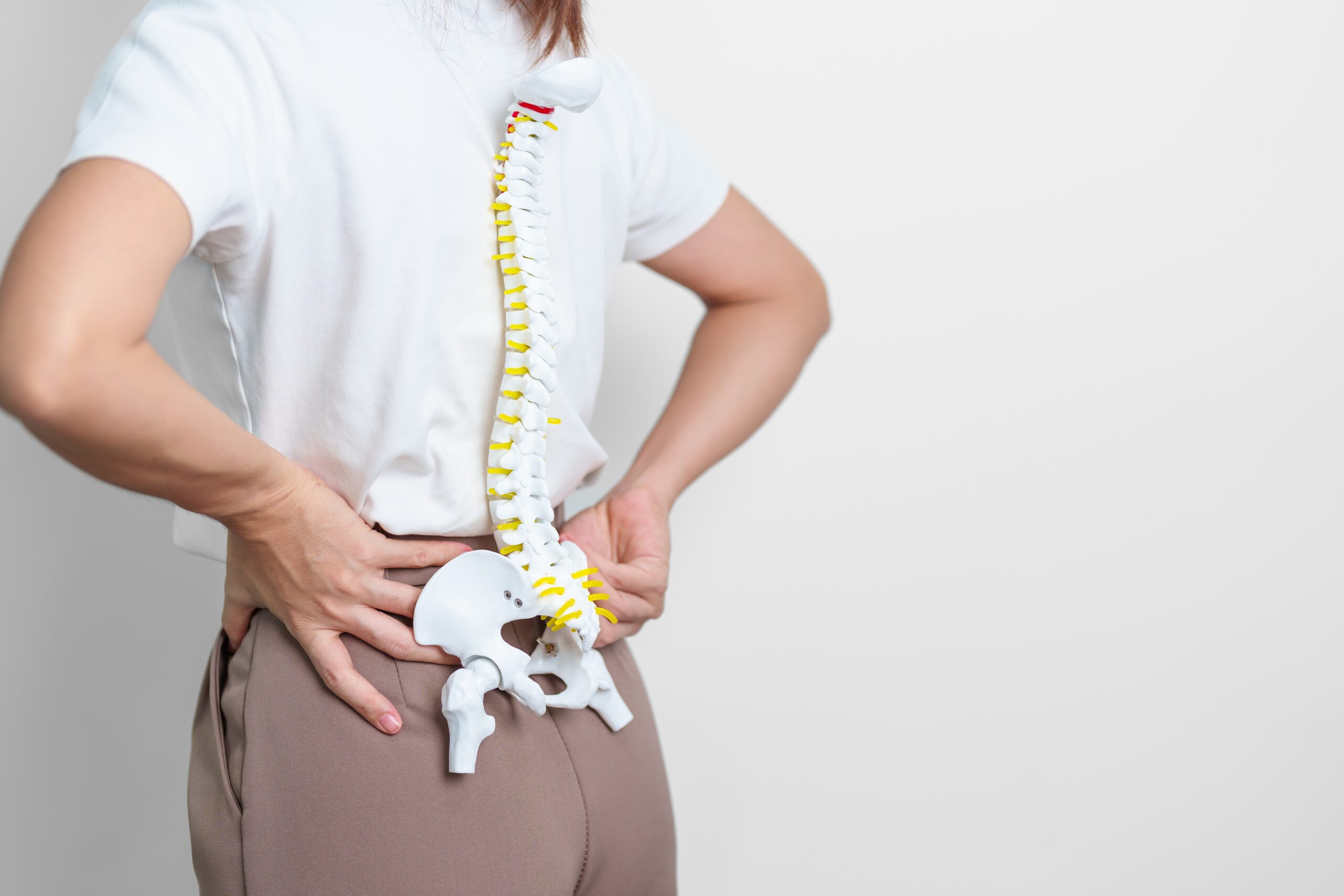
Degenerative disc disease happens when spinal discs (discs of the spine that offer padding to the vertebrae of the spine) start to wear down. These spinal discs are made of an elastic structure of fibrocartilage tissue. The outer part of the disc is called the annulus fibrosus, which is made up of tough fibrous tissue in multiple overlapping layers. These discs cushion the stress of the spine when it moves or bears weight. It also helps the spine to bend. As people age, repeated stresses on the spine and occasional injuries (minor, unnoticed ones that can damage the discs), make changes like:
- Loss of fluid: When people are healthy, they have 90% fluid in their spinal discs. As you get older, this fluid decreases, making the discs thinner, which decreases the distance between vertebrae, making it less effective as a cushion or shock absorber.
- Disc structure: Very small tears or cracks develop in the outer layer of the disc, causing the soft material inside the disc to seep through the cracks or tears, resulting in a bulging or ruptured disc, which can break into fragments.
When the vertebrae have less padding between them, the spine becomes less stable, causing the body to compensate. Your body starts building osteophytes, bone spurs, or small bony projections that develop along the bone edges. These projections can press against the spinal cord or spinal nerve roots, which reduces the nerve function and causes pain. Other problems might happen, such as:
- Breakdown of cartilage (the tissue that cushions the joints).
- A bulging disc (also known as a herniated disc).
- A narrowing of the spinal canal, or spinal stenosis.
These changes can affect the nerves that cause pain, weakness, and numbness. Some factors, like obesity, family history, injuries, physical labor, and smoking, can also contribute to disc degeneration.
Symptoms
Degenerative disc disease may not cause any symptoms or severe pain, which makes it difficult to function. Its symptoms depend on the location and severity of disc degeneration. While it only damages the spine first, over time, it can also affect other parts of the body. As you age, symptoms get worse. The discomfort and pain can vary from mild to severe and debilitating. The most common parts affected by the spine are the flexible parts of the spine, the neck (cervical spine), and the lower back (lumbar spine). The most common symptoms are:
- Neck pain: This pain occurs due to the cervical spine, which gets worse with certain activities or positions, and may interfere with daily activities.
- Radiating pain: This pain occurs in the shoulders, arms, and hands. It feels like a sharp, burning pain that travels through the arm.
- Numbness and Tingling: You may experience sensations of numbness or tingling in the arms and hands, indicating nerve compression or irritation due to degenerative disc.
- Muscle weakness: Weakness in the muscles of the arms and hands, which decreases your grip strength and ability to perform fine motor tasks.
- Headaches: Cervical spine pain can trigger occasional headaches due to muscle tension and nerve irritation.
- Lower back pain: You may experience persistent pain in your lower back that gets worse when sitting, bending, lifting, or twisting. It can be a dull ache or a sharp stabbing pain.
- Reduced flexibility: Stiffness can lower the range of motion in the lower back, making it difficult to perform everyday tasks and movements.
Degenerative disc disease wears down the spine and causes pain of various intensities. However, preventing this condition or slowing its course can be achieved by adopting the recommended lifestyle adjustments listed above. Timely medical intervention can prevent additional harm if you are at risk.
Need help with degenerative disc disease? Visit our pain management clinic in Brooklyn to get professional medical help. Call us to book your appointment now!!! If you’re ready to take the next step in managing your pain, we recommend consulting with our healthcare provider to explore the right treatments or therapies for you. Always listen to your body and adjust your daily routine to prioritize your well-being. Visit Doral Health & Wellness Pain Relief Department in Brooklyn, to get professional help and guidance on how to manage your problem. Call us on + 1-718-367-2555 to get a consultation. If you need help learning coping methods, register your information and make direct contact with our doctors at https://yuz88hfiyh7.typeform.com/Doralintake. Log on to www.doralhw.org. Or visit us at 1797 Pitkin Avenue, Brooklyn, NY 11212.