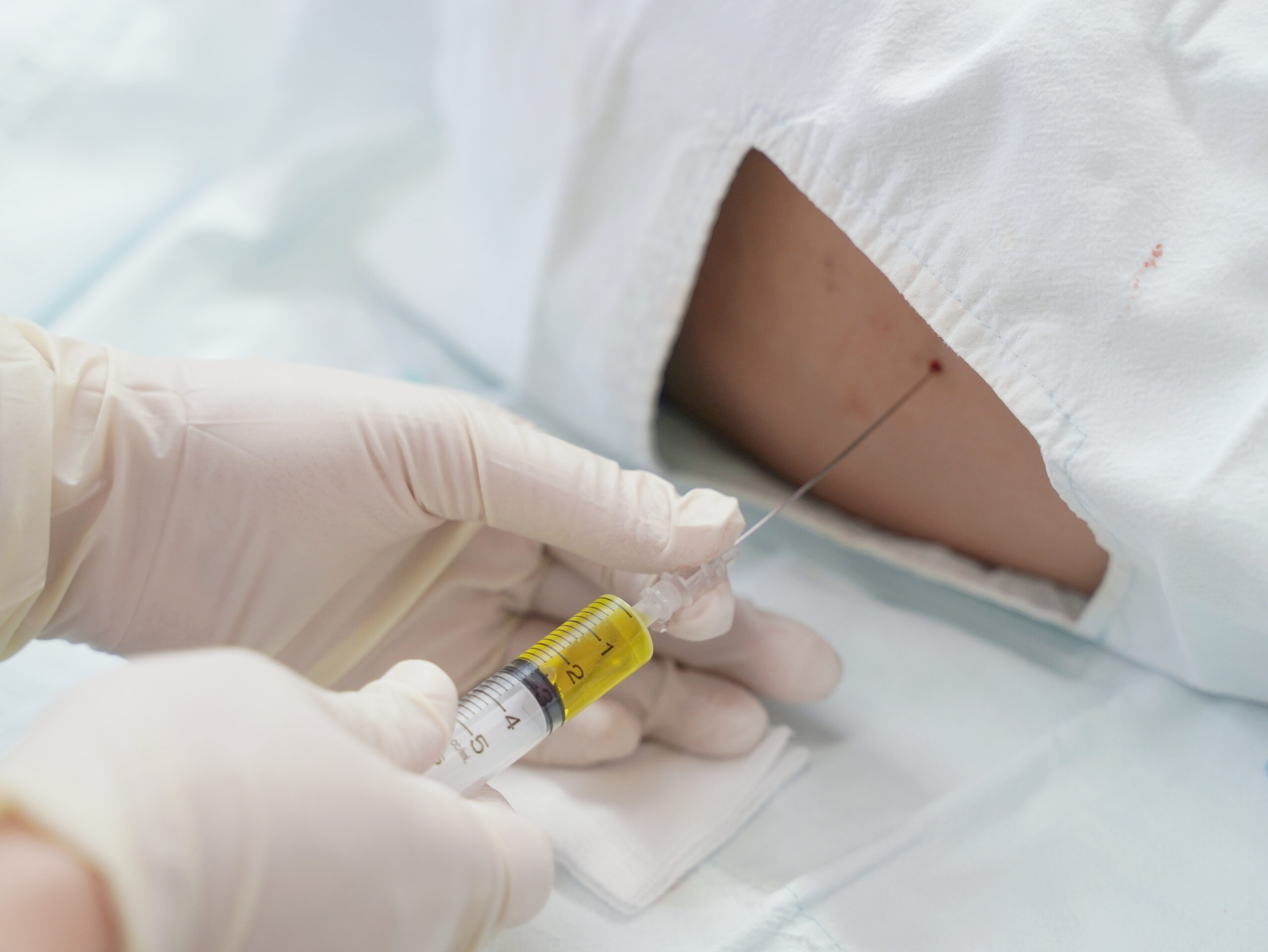
Recently, Intrathecal Drug Delivery Systems have been gaining popularity in managing pain when conservative treatment options fail to eliminate the need for traditional surgery. But is this effective? How does it work? Does it have side effects? Get all the answers related to the intrathecal drug delivery system in this article. Visit the best Pain Management Clinic in Brooklyn at Doral Health & Wellness or log on to www.doralhw.org. to schedule an appointment with us.
FAQs on Intrathecal Drug Delivery Systems
These are the most searched questions on Intrathecal Drug Delivery Systems:
- What’s an Intrathecal Drug Delivery System?
Ans. It is a medicine delivery system for patients who need pain relief, utilizing a fraction of an oral medication dose to minimize uncomfortable and intolerable side effects, such as drowsiness, dizziness, nausea, vomiting, and constipation, in conjunction with oral pain medications.
These are pumps that are implanted to deliver pain-relieving or anti-spasmodic medications to a part of the spine. The spinal area delivers signals to your brain from the area that causes pain. These systems ensure that medication is delivered directly into the spinal fluid so it can reach the nerves that cause your symptoms.
There are two types of intrathecal drug delivery pumps: fixed and variable rate. Fixed-rate pumps are mechanical pumps that release a steady amount of medication with the aid of a gas pressure chamber inside the device. Whereas variable rate pumps are battery-operated and can be adjusted with a small computer. Keep in mind, this is not a cure. However, it can be extremely useful when oral medications cause side effects that are hard to tolerate or become less effective at managing pain. It is more effective than taking medication orally or through intravenous infusions.
- What are the indications for intrathecal drug delivery systems?
Ans. These systems can provide relief with many conditions that cause chronic pain, such as:
- Cancer
- Spinal cord injuries
- Complex regional pain syndrome
- Neuropathy
- Rheumatoid arthritis
- Chronic pancreatitis
In general, these systems are considered when other conservative treatments have failed and non-intrathecal therapy regimens like oral, intravenous, or transdermal are not appropriate to manage symptoms, and non-intrathecal regimens are causing significant side effects.
- What medications are used in Intrathecal Drug Delivery Systems?
Ans. The only medications that are approved by the U.S. Food and Drug Administration (FDA) for intrathecal administration are morphine, ziconotide, and baclofen. However, recent literature supports the use of many other opioid and non-opioid medications for patients who can’t tolerate the on-label FDA medications. The other medications need to be obtained through special compounding pharmacies to ensure sterility and proper concentration. This is especially crucial when multiple medications are used in an intrathecal drug delivery system. However, there’s still the need for more research to check novel non-opioid medications like resiniferatoxin (which is helpful in cancer pain).
- Are there any side effects or complications of using intrathecal drug delivery (IDD)?
Ans. It is rare to have complications with IDD therapy; however, complications can be related to surgical issues, medication issues, or device issues. Shortly after the pump is implanted, you might experience serious surgical complications like bleeding, infection, neurological injuries, or post-dural puncture headache. Opioid administration might cause life-threatening respiratory depression. Other medication-related issues may include hormonal fluctuations, peripheral edema, and persistent nausea. A granuloma (a small collection of immune cells) may form at the catheter tip, especially when specific types of medication are used in high concentrations. In rare cases, if a pump malfunctions, it might result in life-threatening withdrawal from baclofen.
Intrathecal Drug Delivery Systems are used to deliver medicine directly into your spine to relieve pain. Typically, it is recommended when other conservative treatments fail to give relief. While it is effective for pain relief, you need to discuss the medicine used in this therapy and the risks of this surgical procedure to know whether it is a good choice for you or not.
Need help with managing chronic pain? Visit our pain management clinic in Brooklyn to get professional medical help. Call us to book your appointment now!!! If you’re ready to take the next step in managing your pain, we recommend consulting with our healthcare provider to explore the right treatments or therapies for you. Always listen to your body and adjust your daily routine to prioritize your well-being. Visit Doral Health & Wellness Pain Relief Department in Brooklyn, to get professional help and guidance on how to manage your problem. Call us on + 1-718-367-2555 to get a consultation. If you need help learning coping methods, register your information and make direct contact with our doctors at https://yuz88hfiyh7.typeform.com/Doralintake. Log on to www.doralhw.org. Or visit us at 1797 Pitkin Avenue, Brooklyn, NY 11212.