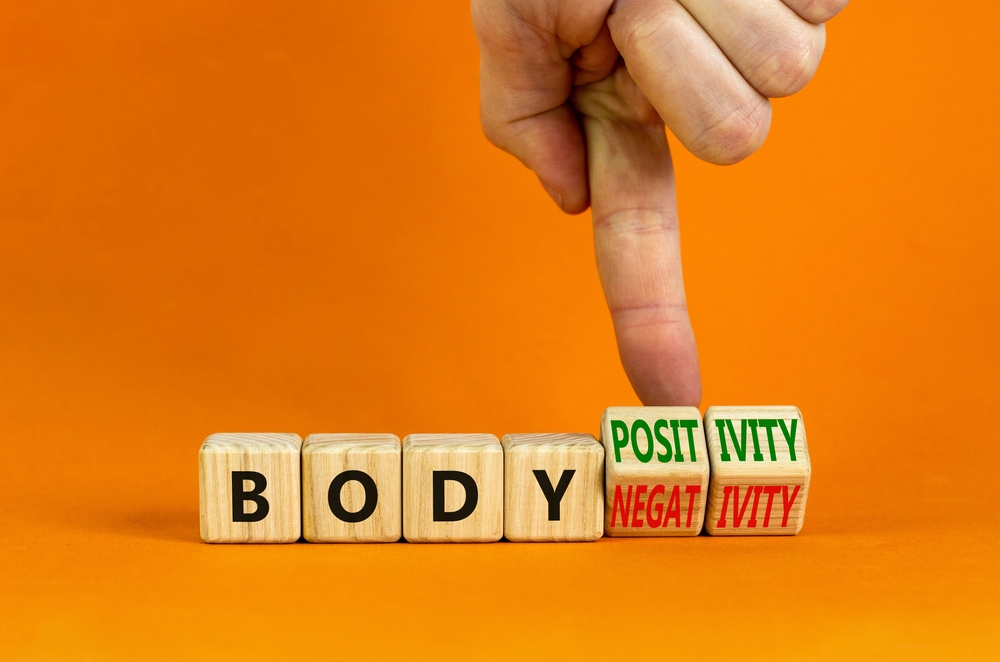
n a world saturated with curated images and social comparisons, developing a healthy relationship with one’s body can feel like a constant struggle. Many people experience dissatisfaction with their appearance from time to time, but when these feelings become persistent and distressing, they can signal a deeper problem. Recognizing body image issue symptoms is the first step toward healing. Learning how to cope with body image issues is not about achieving a “perfect” body, but about cultivating self-acceptance and improving your overall mental well-being. This guide will explore common symptoms and provide actionable strategies for fostering a more positive self-perception. Visit the best Mental Health Clinic in Brooklyn at Doral Health & Wellness, or log on to www.doralhw.org.
Recognizing Common Body Image Issue Symptoms
Negative body image can manifest in various ways, affecting your thoughts, feelings, and behaviors. It’s more than just a “bad hair day”; it’s a pattern of distress that can interfere with your life. Identifying these signs is crucial for seeking the right support.
Emotional and Psychological Symptoms
- Constant Comparison: Frequently comparing your body to others, whether in person or on social media, and feeling inadequate as a result.
- Obsessive Thoughts: Preoccupation with a perceived flaw in your appearance that may be minor or unnoticeable to others.
- Feelings of Shame and Anxiety: Experiencing intense shame, disgust, or anxiety about your body or specific body parts.
- Low Self-Esteem: Tying your self-worth almost exclusively to your physical appearance. You may feel that your body is not “good enough,” which translates to feeling that you are not good enough.
Behavioral Symptoms
- Avoidance: Avoiding social situations, mirrors, photographs, or activities like swimming because of how you feel about your body.
- Compulsive Checking: Repeatedly checking your appearance in mirrors, weighing yourself frequently, or pinching skin to measure fat.
- Excessive Grooming: Spending an excessive amount of time trying to hide or “fix” perceived flaws through makeup, clothing, or other grooming habits.
- Disordered Eating Patterns: Engaging in restrictive dieting, binge eating, or other unhealthy eating behaviors in an attempt to change your body shape or weight.
How to Cope with Body Image Issues: Practical Strategies
Navigating body image concerns is a journey, but there are concrete steps you can take to build a healthier perspective. These strategies focus on shifting your mindset and building resilience against negative self-talk.
- Curate Your Social Media Feed
Your digital environment has a real impact on your mental health. Unfollow accounts that promote unrealistic body standards or leave you feeling worse about yourself. Instead, follow creators who champion body diversity, self-acceptance, and a holistic view of health. Consciously creating a positive online space can reduce daily triggers and comparisons.
- Practice Body Gratitude and Neutrality
Instead of focusing on what you dislike about your body, try shifting your focus to what it does for you. Appreciate its ability to move, breathe, and experience the world. Thank your legs for carrying you, your arms for hugging loved ones, and your stomach for digesting food. If gratitude feels too difficult, aim for body neutrality—acknowledging your body without judgment, simply as the vessel that allows you to live your life.
- Challenge Negative Self-Talk
When you catch yourself thinking negatively about your body, pause and challenge that thought. Ask yourself: Is this thought kind? Is it helpful? Would I say this to a friend? Reframe the negative thought into something more neutral or positive. For example, instead of “I hate my stomach,” you might try, “My body is strong, and this stomach is a part of it.”
- Engage in Activities That Make You Feel Good
Connect with your body in ways that are not related to its appearance. Engage in joyful movement like dancing, hiking, or yoga. Spend time on hobbies that bring you fulfillment and remind you of your skills and passions. These activities can help you build self-esteem that isn’t tied to your physical appearance.
When Professional Help Is Needed
While self-help strategies are valuable, sometimes body image issues are too deeply rooted to manage alone. If your symptoms are causing significant distress, impacting your daily functioning, or leading to disordered eating, it is time to seek professional support.
A behavioral health specialist is trained to help individuals navigate these complex feelings. Through therapies like Cognitive Behavioral Therapy (CBT), they can help you identify and change negative thought patterns and behaviors associated with body dissatisfaction. Finding a qualified professional can provide you with a safe space to explore the root of your issues and develop personalized coping mechanisms.
For those in New York, seeking help at a mental health clinic in Brooklyn can provide access to a range of services tailored to your needs. A compassionate behavioral health specialist can guide you on the path toward healing and self-acceptance. Don’t hesitate to reach out; making an appointment at a mental health clinic in Brooklyn is a courageous and important step in reclaiming your well-being. For further inquiries, call us on +1-718-367-2555 to get a consultation. We have some of the finest doctors psychiatrist who listen to your concerns, examine your symptoms, and create a treatment plan to improve your condition as soon as possible. If you need help learning coping methods, register your information and make direct contact with us at https://yuz88hfiyh7.typeform.com/Doralintake or send an email to info@doralhw.org. You can also visit us at 1797 Pitkin Avenue, Brooklyn, NY 11212.