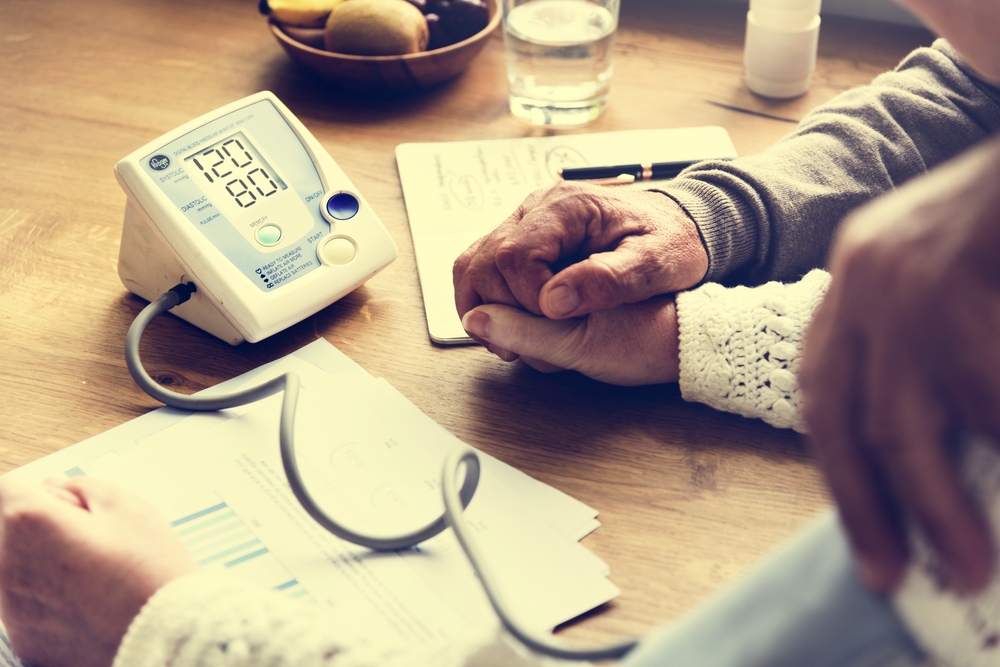
Isolated systolic hypertension occurs when the top blood pressure number rises above 130 mmHg while the bottom number stays below 80 mmHg, and it becomes increasingly common as blood vessels stiffen with age. Older adults face this condition because aging arteries lose elasticity, forcing the heart to pump against greater resistance. Left unmanaged, isolated systolic hypertension raises the risk of heart attack, stroke, and kidney damage, but lifestyle changes and medical guidance can help control it.
Watching your blood pressure numbers change as you age can feel confusing, especially when only one number seems to be climbing. You check your readings and the top number, called systolic pressure, keeps creeping upward while the bottom number stays steady or even drops. This pattern has a name: isolated systolic hypertension. It is one of the most common forms of high blood pressure among older adults, and understanding why it happens is the first step toward protecting your heart.
Why Does Isolated Systolic Hypertension Develop in Older Adults?
Your blood vessels change as you get older, and those changes directly affect how hard your heart has to work.
How Aging Changes Blood Vessel Elasticity
When you were younger, your arteries stretched easily with every heartbeat, absorbing the force of blood flow and releasing it smoothly. Over time, the walls of your cardiovascular system’s major arteries lose some of that natural elasticity. This gradual stiffening means your arteries can no longer expand and contract the way they once did, and that loss of flexibility shows up most clearly in your systolic reading.
The Role of Arterial Stiffness in Raising the Systolic Number
Arterial stiffness changes how pressure moves through your bloodstream. According to the American Heart Association, stiffer arteries cause the systolic number to rise while the diastolic number often stays the same or falls, creating the isolated pattern seen in isolated systolic hypertension. Your heart has to generate more force to push blood through less flexible vessels, and that extra effort is what your doctor sees reflected in your top number.
Health Risks of Isolated Systolic Hypertension in Older Adults
An elevated systolic number is not just a statistic. It carries real consequences for your long-term health.
Heart Attack and Stroke Risk
Isolated systolic hypertension puts extra strain on your heart with every single beat. The Framingham Heart Study found that isolated systolic hypertension significantly increases the risk of cardiovascular events, including heart attack and stroke, particularly in adults over 60. That strain builds over years, which is why early management matters so much.
Impact on Kidney and Brain Health
Your kidneys and brain depend on steady, well-regulated blood flow. Sustained high systolic pressure can damage the small blood vessels in both organs, contributing to kidney disease and increasing the risk of cognitive decline. You do not have to wait for symptoms to appear before taking this seriously.
Managing Isolated Systolic Hypertension: What Older Adults Can Do
You are not powerless against isolated systolic hypertension. Several manageable changes can make a meaningful difference.
- Reduce sodium intake: Lowering salt in your diet helps your blood vessels relax and can bring your systolic number down.
- Stay physically active: Regular movement, even gentle walking, supports healthier blood vessel function over time.
- Eat a heart-friendly diet: Fruits, vegetables, and whole grains support blood pressure control far better than processed foods.
- Monitor your readings: Tracking your blood pressure at home helps you and your doctor catch changes early.
When to Seek a Cardiologist Doctor in Brooklyn
If your systolic number stays elevated despite lifestyle changes, it is time to talk with a cardiologist doctor in Brooklyn who understands the nuances of isolated systolic hypertension in older adults. Your family deserves clear answers, not guesswork, and a specialist can help you build a plan suited to your specific health history.
You Deserve Clear Answers About Your Heart Health
Living with isolated systolic hypertension does not mean living with constant worry. With the right care team beside you, you can manage your numbers and protect your long-term health.
Our Cardiology team is here to explain every step of the walking protocol, answer your safety questions, and support your family before, during, and after the appointment. Reach out today by calling +1-718-367-2555 or visiting us at 1797 Pitkin Avenue, Brooklyn, NY 1121 to schedule a stress test and get the answers you deserve.