Rubella, widely known as German measles, is a contagious viral infection best known for its distinctive red rash. While it is often mild in children, the consequences can be severe for unborn babies if a pregnant woman contracts the virus. Because of these high stakes, understanding how to prevent rubella is a critical responsibility for everyone, not just expectant mothers.
The virus spreads through the air when an infected person coughs or sneezes. Since people can be contagious before they even know they are sick, reactive measures are often too late. Instead, proactive prevention strategies for rubella infection are the only way to ensure safety. This guide outlines the most effective steps you can take to shield yourself and your community from this preventable disease. Reach out to us on https://doralhw.org/contact-us/ for a consultation.
Essential Prevention Strategies for Rubella Infection
The cornerstone of rubella prevention is immunity. Unlike some bacterial infections that can be treated with antibiotics, viral infections like rubella are best managed by stopping them before they start.
The Power of Vaccination
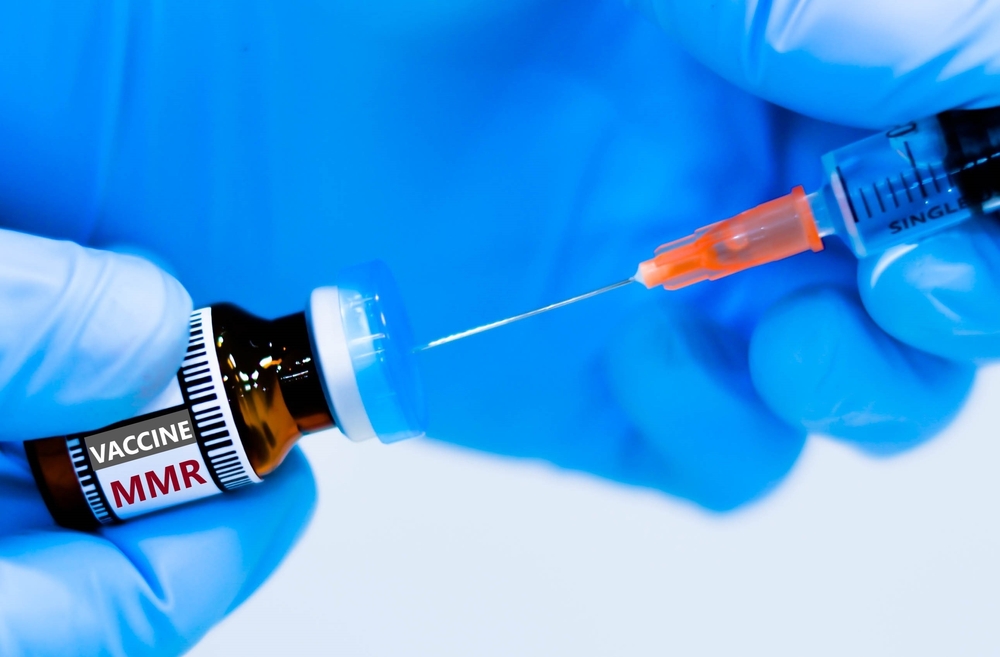
The single most effective way to prevent rubella is through vaccination. The MMR vaccine protects against measles, mumps, and rubella. It is safe, effective, and provides long-lasting immunity.
- Routine Childhood Vaccination: The CDC recommends children get two doses of the MMR vaccine. The first dose is typically given at 12 through 15 months of age, and the second dose at 4 through 6 years of age.
- Adult Vaccination: Adults who do not have evidence of immunity should get at least one dose of the vaccine. This is particularly important for college students, healthcare personnel, and international travelers.
If you are unsure about your vaccination history, an infectious disease specialist can review your medical records or order blood tests to check your immunity levels.
Pre-Pregnancy Screening
For women planning to become pregnant, checking their immunity status is a vital step. The rubella vaccine contains a live virus, so it cannot be administered during pregnancy. Therefore, confirming immunity before conception is one of the most critical prevention strategies for rubella infection.
If a blood test shows you are not immune, you should get vaccinated at least one month before trying to conceive. If you are already pregnant and not immune, consult infectious disease doctors in Brooklyn or your local area immediately for guidance on how to minimize exposure risks.
Hygiene and Isolation Protocols
While vaccination is the primary defense, everyday hygiene habits play a supportive role in reducing transmission.
Reducing the Spread
The rubella virus lives in the nose and throat mucus of an infected person. Simple actions can help break the chain of transmission:
- Hand Washing: Wash hands frequently with soap and water.
- Covering Coughs: Sneeze or cough into a tissue or your elbow, not your hands.
- Avoiding Shared Items: Do not share utensils or drinks with someone who is sick.
Isolation Measures
If a person is diagnosed with rubella, they should stay home from school or work for at least 7 days after the rash appears. Isolation prevents the virus from spreading to vulnerable populations, such as infants too young to be vaccinated or immunocompromised individuals.
If you suspect an outbreak in your community, contacting an infectious disease specialist can provide you with the latest information on local risk levels.
When to Seek Specialized Care
Most people are vaccinated as children and never need to worry about rubella again. However, specific situations require expert advice. If you are planning international travel to regions where rubella is still common, or if you are a healthcare worker with uncertain immunity, you should seek professional counsel.
For residents in dense urban areas, accessing specialized care is easier. Infectious disease doctors in Brooklyn are well-versed in managing community health and can provide personalized vaccination schedules for families. They can also offer specific advice for those who cannot receive live vaccines due to medical conditions.
Knowing how to prevent rubella empowers you to make smart health decisions that protect not only yourself but also the most vulnerable members of society. By adhering to recommended prevention strategies for rubella infection—chiefly vaccination and hygiene—we can keep this disease a rarity. If you have questions about your immunity status, schedule a consultation with a healthcare provider today. Book your appointment now, call us on + 1-718-367-2555 to get treated!Learn more about infectious diseases at www.doralhw.org. and stay up to date on current health topics and new research, on recent infectious diseases like COVID-19. If you need help, register your information and make direct contact with our doctors at https://yuz88hfiyh7.typeform.com/Doralintake. Or visit us at 1797 Pitkin Avenue, Brooklyn, NY 11212.