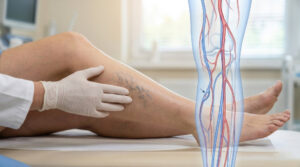
Microphlebectomy is a minimally invasive procedure used to remove varicose veins through tiny incisions, often just a few millimeters long. Because the incisions are so small, many patients assume recovery requires little effort. However, keeping tiny vein incisions clean and protected is essential to avoid infection, scarring, or delayed healing.
This guide walks through what to expect during microphlebectomy recovery and offers practical steps for protecting your incisions as they heal.
What Happens During Microphlebectomy Recovery?
Microphlebectomy recovery is generally faster than recovery from traditional vein surgery. Most patients resume light activity within a day or two, though full healing of the incision sites can take several weeks.
During this time, small scabs or marks may form over each puncture point. These typically fade over the following months. Swelling and mild bruising around the treated area are also common in the first week.
Typical Recovery Timeline
- Day 1-2: Mild soreness, bruising, and swelling around incisions
- Week 1: Most bruising begins to fade; compression stockings often recommended
- Weeks 2-4: Incisions close fully; light exercise usually approved
- Months 1-3: Residual marks fade; full results become visible
How to Keep Tiny Vein Incisions Clean and Protected
Proper incision care plays a major role in how smoothly recovery progresses. Following a few simple steps can significantly reduce the risk of complications.
Keep the Area Dry for the First 24-48 Hours
Avoid soaking the incisions in water during the first day or two. Showering is typically fine after 24 hours, but baths, pools, and hot tubs should wait until your vascular specialist confirms the incisions have closed.
Change Dressings as Instructed
Your provider will likely recommend small adhesive bandages or steri-strips over each incision. Replace these as directed, usually every one to two days, and always with clean, dry hands.
Watch for Signs of Infection
Contact your provider promptly if you notice:
- Increasing redness or warmth around an incision
- Pus or unusual discharge
- Fever
- Pain that worsens instead of improving
Wear Compression Stockings as Directed
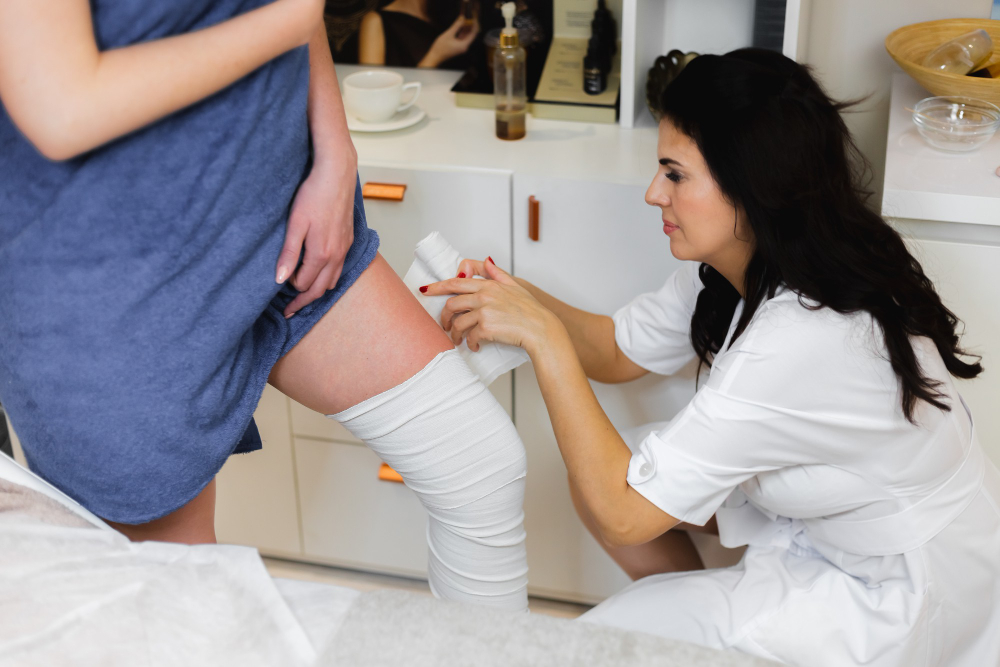
Compression stockings help reduce swelling and support healing blood vessels. Most patients wear them for one to two weeks following the procedure, though your provider may adjust this based on your specific case.
Avoid Strenuous Activity Early On
Light walking is encouraged to promote circulation, but heavy lifting, intense exercise, or prolonged standing should be avoided for at least one to two weeks. This reduces strain on the treated veins and allows incisions to close properly.
When Should You See a Vascular Specialist During Recovery?
While most microphlebectomy recovery periods are straightforward, certain symptoms warrant a follow-up visit with a vascular specialist. These include persistent pain, visible signs of infection, or incisions that reopen after closing.
Routine follow-up appointments are also typically scheduled within the first few weeks to confirm healing is progressing as expected and to check that no new vein issues have developed.
Trust Our Vascular Team With Your Recovery
Keeping tiny vein incisions clean and protected is one of the most important steps in a smooth microphlebectomy recovery. If you’re located near our vascular clinic in Brooklyn and have questions about your aftercare plan, our Vascular team is here to help. Schedule a follow-up consultation today by calling +1-718-367-2555 or visiting us at 1797 Pitkin Avenue, Brooklyn, NY 1121 to make sure your recovery stays on track.