Mechanochemical ablation, also known by the brand name ClariVein, is a minimally invasive procedure for treating large varicose veins without heat. A rotating wire and a medicated solution work together to close the diseased vein, offering an alternative to laser or radiofrequency treatments for patients who want fewer needle sticks and less post-procedure discomfort.
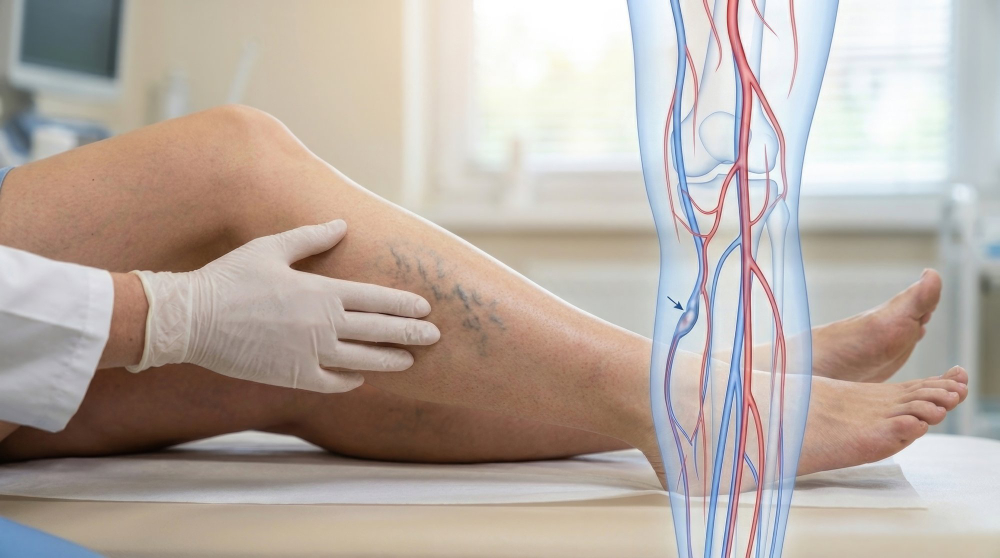
Large varicose veins can cause aching, swelling, and visible discomfort that affects daily life. For years, heat-based treatments like laser and radiofrequency ablation were the standard solution. Now, mechanochemical ablation offers a gentler path forward.
This procedure, performed under ClariVein, combines mechanical action with a medicated solution to close problem veins. Because it skips the heat entirely, patients often experience less bruising and a faster return to normal activity. If you are exploring options for treating large varicose veins without heat, here is what you should know before your first consultation.
How Does Mechanochemical Ablation Work?
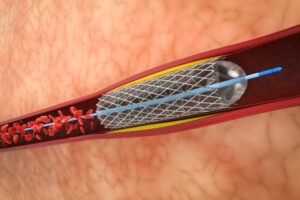
During mechanochemical ablation, a vascular specialist inserts a thin catheter into the affected vein under ultrasound guidance. A small rotating wire at the tip of the catheter spins to irritate the vein wall while a medicated solution is released at the same time.
This dual action causes the vein to collapse and seal shut. Blood flow then naturally reroutes to healthier veins nearby. The procedure typically takes less than an hour and is performed in an outpatient setting.
Why Skipping Heat Matters
Traditional treatments rely on thermal energy to close the vein. This approach often requires multiple injections of local anesthetic along the length of the vein to protect surrounding tissue from heat damage.
Mechanochemical ablation removes that step. Because there is no heat involved, patients generally need:
- Fewer numbing injections
- Less post-procedure bruising
- A shorter recovery window
Who Is a Good Candidate for This Procedure?
Mechanochemical ablation is often recommended for patients with large, bulging varicose veins who want to avoid the discomfort associated with heat-based alternatives. A vascular specialist will evaluate the size, location, and severity of the affected veins using a duplex ultrasound before recommending a treatment plan.
Patients who may benefit include those who:
- Have veins located close to the skin’s surface, where heat-based treatments carry more risk
- Experience anxiety around needle injections
- Want a quicker return to work and daily activities
What Does Recovery Look Like?
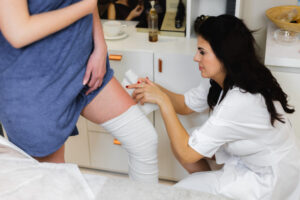
Recovery from mechanochemical ablation tends to be straightforward. Most patients resume light activity the same day, though your provider may recommend wearing compression stockings for one to two weeks to support healing.
Mild soreness or a feeling of tightness along the treated vein is common in the first few days. This typically fades on its own without the need for additional care.
Choose Mechanochemical Ablation If Heat-Based Treatment Concerns You
Choose mechanochemical ablation if you want to avoid thermal injury risk, minimize injections, or have veins positioned too close to the skin for safe heat treatment. Choose a traditional thermal method instead if your vascular specialist determines your vein anatomy responds better to that approach. A one-on-one evaluation remains the best way to determine which option fits your situation.
Visit Our Vascular Team for Expert Care
Large varicose veins do not have to mean a long, uncomfortable treatment process. Mechanochemical ablation offers a heat-free path to relief with a shorter recovery time. If you are searching for a trusted vascular clinic in Brooklyn, our Vascular team is ready to walk you through your options. Schedule a consultation today by calling +1-718-367-2555 or visiting us at 1797 Pitkin Avenue, Brooklyn, NY 1121 to find the right treatment plan for your veins.