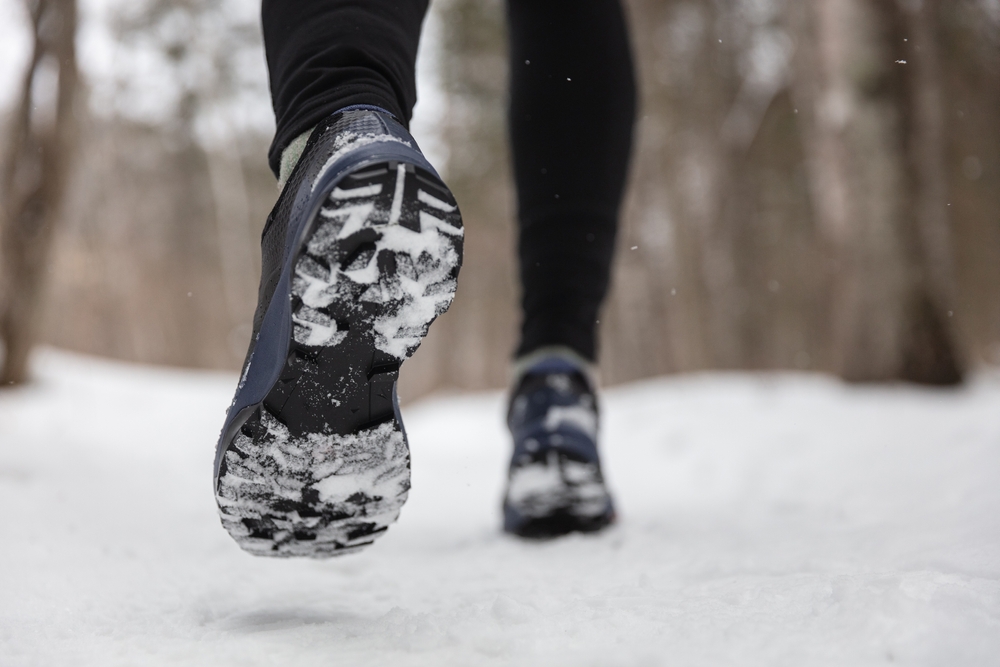
Cold temperatures stiffen muscles, tighten tendons, and change how your foot strikes the ground, which raises the risk of injury during winter running. Choosing supportive footwear, warming up properly, and adjusting your stride on icy or wet surfaces can protect your foot mechanics all season.
Lacing up for a run when the temperature drops takes real commitment, and your body works harder to keep up with you. Cold weather joggers often notice that a once-easy route suddenly feels stiffer, slower, and less predictable underfoot. That shift is not in your head. It is a direct result of how cold temperatures affect foot mechanics, from your muscles to the way your foot lands with every stride.
How Cold Weather Affects Foot Mechanics for Runners
Winter running places unique demands on your feet. Cold air reduces blood flow to your extremities, and that change affects everything from flexibility to balance.
Muscle Stiffness and Reduced Flexibility in Cold Temperatures
Cold muscles do not move the way warm muscles do. Tendons and ligaments tighten in low temperatures, which limits your range of motion and makes your feet and calves feel noticeably stiffer during the first mile. This stiffness puts added strain on the plantar fascia and Achilles tendon, two areas already prone to overuse injuries among regular runners.
Changes in Gait and Stride on Icy or Wet Surfaces
Ice and slush change how your foot interacts with the ground. Your stride naturally shortens to maintain balance, and that shift can alter the way force travels through your ankles and knees. Over time, an unstable gait pattern increases your risk of sprains, strains, and even stress fractures.
Essential Winter Running Tips for Cold-Weather Joggers
Small adjustments to your routine can make a meaningful difference in how your feet handle winter conditions.
Choosing the Right Footwear
Look for running shoes with reinforced traction and a slightly wider base for added stability on slick surfaces. Insulated, moisture-wicking socks also help maintain circulation and keep your feet warm without adding bulk.
Warming Up Properly Before Heading Out
A proper warm-up matters more in winter than any other season. Spend five to ten minutes on dynamic stretches, such as leg swings and ankle circles, to loosen tight muscles before you start running outdoors.
Adjusting Your Running Form for Winter Conditions
Shorten your stride slightly and keep your steps lighter on icy patches. This small change reduces impact and gives you better control if the surface shifts unexpectedly beneath you.
Common Winter Running Injuries and How to Prevent Them
Cold-weather joggers face a higher risk of several specific injuries, including:
- Achilles tendinitis, caused by tight, cold tendons working harder than usual
- Plantar fasciitis, often worsened by stiff arches and unsupportive footwear
- Ankle sprains, linked to unstable footing on ice or uneven snow
- Stress fractures, which can develop from altered gait patterns over time
Our podiatry team can evaluate your foot mechanics and recommend supportive strategies tailored to your running routine, whether you are managing an existing injury or working to prevent one.
When to See a Podiatrist
Mild soreness after a cold run is common, but pain that lingers for more than a few days is not something to push through. If you notice swelling, sharp pain, or a change in how you walk, it is time to have your feet evaluated by a podiatrist in Brooklyn who understands the specific demands of winter training.
Keep Running Strong All Winter Long
Winter running does not have to mean sidelining your routine or risking injury. By understanding how cold weather affects your foot mechanics and making a few thoughtful adjustments, you can keep moving safely through the season.
If foot or ankle pain is slowing you down, our podiatry team is here to help. Call us today at +1-718-367-2555 or visit us at 1797 Pitkin Avenue, Brooklyn, NY 11212, to schedule a visit with a podiatrist in Brooklyn who can get you back on track.