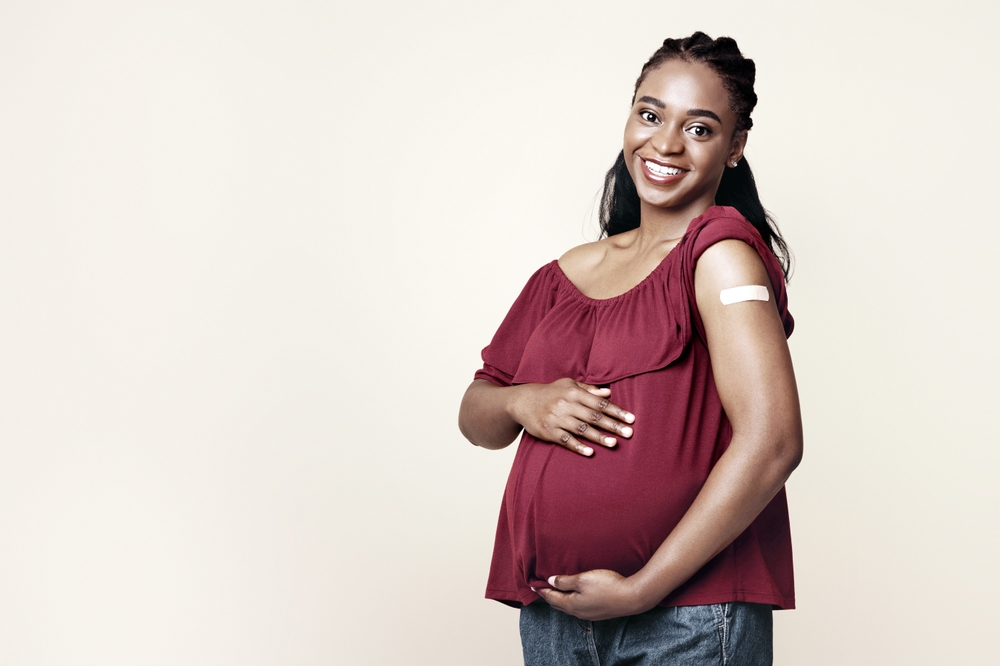
Did you know that rubella can cause serious problems to newborns if you’re not immune to the infection? It is a viral infection that causes flu-like symptoms with a rash. It gets better on its own, but for pregnant women, it causes severe complications in their pregnancy, even miscarriage. The best way to prevent it is to get vaccinated. Learn everything you need to know about the rubella vaccine for pregnant women in these FAQs. Reach out to us on https://doralhw.org/contact-us/ for a consultation with the best infectious disease doctors in Brooklyn, New York.
FAQs on the rubella vaccine for pregnant women
These FAQs help you know everything about the rubella vaccine for pregnant women.
What is rubella, and what happens if you get infected during pregnancy?
Ans. Rubella is a viral infection that causes mild flu-like symptoms and a rash. It is also known as German measles. Most infected people don’t have any symptoms and still spread it to other people. It spreads through the air when tiny water droplets from an infected person coughing and sneezing come into contact with you, or if you touch the rash. While it gets better on its own in a week or more, in some cases can lead to serious complications.
In case you get infected during pregnancy, rubella can cause serious complications:
- Miscarriage
- Problems with the baby’s development
- Serious problems after the baby is born, such as vision, hearing, heart, or brain issues. This is known as congenital rubella syndrome (CRS).
The risk of the most severe damage due to rubella is when you get infected in the early weeks of pregnancy, especially in the first 12 weeks (3 months). It has no cure; however, you can prevent it with its vaccine.
What are the symptoms of rubella?
Ans. Rubella usually causes flu-like symptoms along with a red or pink rash. The rash appears on the face and then spreads to the rest of the body, lasting for around 3 days. Other symptoms include:
- Low-grade fever (102 F/38.9 or lower)
- Headache
- Runny nose
- Sore throat
- Loss of appetite
- Cough
- Red eyes
- Swollen glands in the neck or behind the ears
- Muscle aches or joint pain
7 out of 10 teenage and adult women with rubella develop arthritis (swelling, painful joints). Arthritis affects their fingers, wrists, and knees, which is rare in men. In rare cases, you may develop serious problems like brain infections and bleeding problems. Some people may not show any symptoms at all when they get infected, but they can still spread it to others.
Why should I get vaccinated against rubella before getting pregnant?
Ans. Getting vaccinated against rubella before getting pregnant is the best way to prevent rubella, which can cause serious complications for your baby. For the protection of your baby, you should talk with your doctor to check whether you should get vaccinated before or not.
If not, you should consider getting vaccinated first before trying to get pregnant because it is not recommended to get vaccinated during pregnancy. That’s why it’s best to get vaccinated before you try to get pregnant. The vaccine used to prevent rubella is MMR, which is a combination of 3 different vaccines. It also protects you from measles and mumps.
What is the schedule for the rubella vaccine?
Ans. Usually, the rubella vaccine is given to children under the routine immunization schedule. You need 2 doses of the MMR vaccine. One is at the ages between 12 to 15 months, and the second dose at the ages of 4 to 6 months. Children can receive the second dose earlier as long as it has at least 28 28-day gap after the first dose.
In case you didn’t get the vaccine in your childhood, then you need to get either 1 or 2 doses of the MMR vaccine at least 3 months apart. After the second dose, you should wait for at least a month before getting pregnant to provide excellent protection against the disease. Make sure you discuss with your doctor to learn about the doses and the time of getting vaccinated before considering pregnancy.
Should I be worried if I found out that I’m pregnant after getting vaccinated?
Ans. Do not worry if you find out that you are pregnant and have recently gotten vaccinated. There’s no proof that the vaccine for rubella can damage unborn babies. If you are still worried, you can talk with your gynaecologist.
What to do if you find out that you are not vaccinated against rubella during or after pregnancy?
Ans. If you find out that you’re not vaccinated during pregnancy, then your doctor may not recommend the MMR vaccine. Instead, they ask you to take precautions to prevent getting infected with rubella, like staying away from people who are infected, using masks when going out, washing hands regularly, etc. They also recommend that if you think you have come into contact with someone with rubella, then tell your doctor right away.
In case you find out about not being immune to rubella after giving birth, then get the MMR vaccination after giving birth. This is safe while nursing. When you stay protected from the infection, you can’t pass it to your baby before they get their own MMR vaccination at about 12 months. It also prevents you from passing rubella to your baby during a future pregnancy.
What is the possibility of rubella passing to my baby during pregnancy if I get infected?
Ans. Depending on the time you get infected with rubella, your probability of passing it to your child will be different. For example:
- If you get rubella in the first 12 weeks of pregnancy, then it has an 85% chance of passing to your baby.
- If you get rubella at 13 to 16 weeks of pregnancy, then it has a 50% chance for your baby.
- If you get rubella at the end of your second trimester or later, then there’s a 25% chance of passing it to your baby.
If you have rubella during pregnancy, your doctor will carefully monitor your baby after birth to find problems early on.
When should you see the doctor for rubella during pregnancy?
Ans. Getting rubella during pregnancy is rare because most people are vaccinated against the infection. In case you don’t remember being vaccinated against rubella, then you should see the doctor if you notice a new rash or come in contact with someone who has rubella.
Rubella during pregnancy can be dangerous as it can cause serious problems in the baby or even lead to miscarriage. If you’re not sure about being vaccinated against rubella, then make sure you check with your doctor about your immunity against rubella before getting pregnant. If you are not, then get vaccinated with the MMR vaccine first and then wait for 30 days before trying to get pregnant. This way, you protect yourself and your unborn child. Need help to check for immunity against rubella? Visit our gynecology clinic in Brooklyn to get professional medical help. Book your appointment now, call us on + 1-718-367-2555 to get treated! Learn more about infectious diseases at www.doralhw.org. and stay up to date on current health topics and new research, on recent infectious diseases like COVID-19. If you need help, register your information and make direct contact with our doctors at https://yuz88hfiyh7.typeform.com/Doralintake. Or visit us at 1797 Pitkin Avenue, Brooklyn, NY 11212.