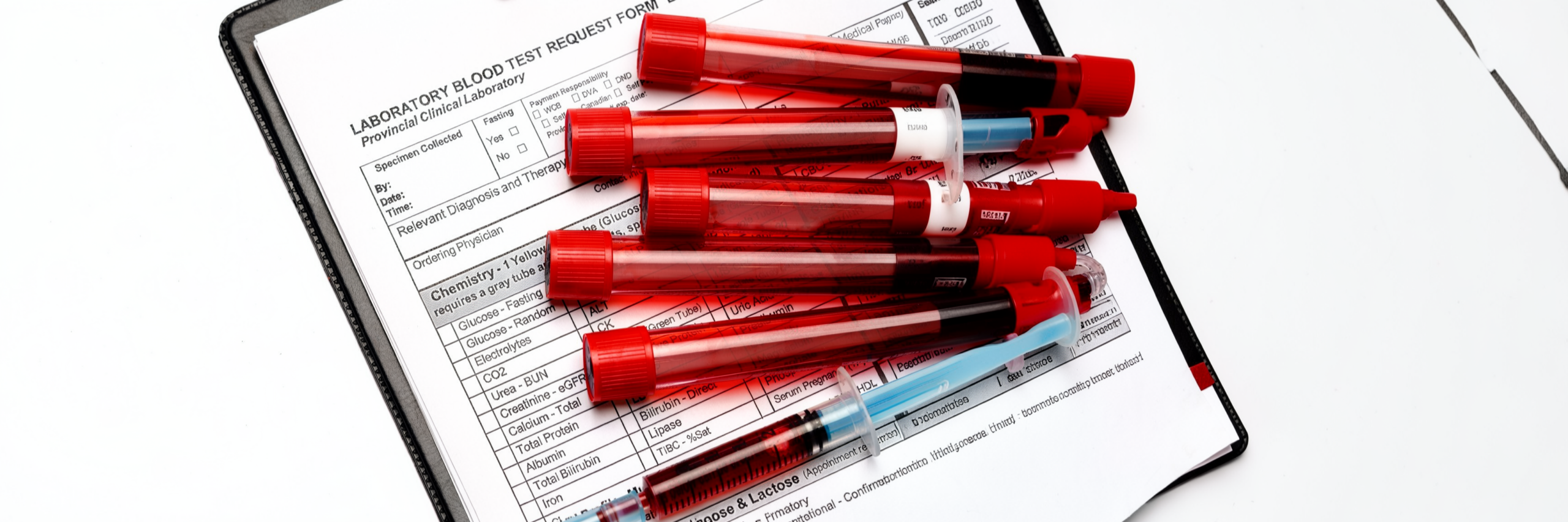
You open the patient portal and there it sits — a wall of numbers, abbreviations, and tiny arrows pointing up or down. Your heart sinks a little. What does any of it actually mean? That confusion is common, and it can turn a routine lab result into a night of worry. The good news is that reading your blood test results does not require a medical degree. With a few basic ideas, you can understand what most values tell you about your health. You will also learn which results are minor, which deserve a follow-up, and when to go to urgent care for symptoms that cannot wait. By the end of this guide, you will feel calmer, more informed, and ready to talk with your provider about what comes next.
Making sense of your health should never feel like a guessing game. Doral Health & Wellness Primary Care offers clear, compassionate explanations from providers who take time to walk you through every number. Whether you need a routine panel reviewed or answers about a worrying result, our team is here to help. Reach out today and get the clarity you deserve.
Understanding the Basics of Your Blood Test
A page full of medical shorthand feels intimidating. You see codes like “WBC” and “HbA1c” with no clue what they measure. That uncertainty is what makes results so stressful, but the structure is simpler than it looks.
Every blood test compares your values against a “reference range.” This range shows what is typical for most healthy people. A result outside the range does not automatically mean something is wrong — it simply flags a value worth a closer look.
Here are the common panels you will likely see:
- Complete Blood Count (CBC) – Measures red cells, white cells, and platelets to check for anemia or infection.
- Basic Metabolic Panel (BMP) – Looks at blood sugar, electrolytes, and kidney function.
- Lipid Panel – Tracks cholesterol and triglycerides tied to heart health.
- Hemoglobin A1c – Shows your average blood sugar over the past few months.
You do not have to memorize every term. Knowing what each panel covers gives you a solid starting point for any conversation with your doctor.
What “Reference Range” Really Means
The phrase “out of range” can spark instant panic. You see a flagged number and assume the worst. That fear is understandable, but a flag rarely tells the whole story.
Reference ranges vary by lab, age, sex, and even the equipment used. A slightly high or low value is often harmless, especially if you feel well. Mildly abnormal results frequently need only a repeat test or a simple follow-up rather than urgent treatment.
One flagged number is not a diagnosis. It is a signal to ask a question, not a reason to fear the worst.
Reading the Most Common Values
Numbers feel meaningless until you connect them to your body. You want to know what a high or low result says about how you feel. That link is where understanding begins.
Let us break down a few results you are most likely to see:
- White blood cells (WBC) – High counts may point to infection, while low counts can affect your immune defense.
- Hemoglobin – Low levels may signal anemia, which can leave you tired or short of breath.
- Glucose – Elevated fasting sugar may hint at prediabetes or diabetes.
- Cholesterol (LDL) – High “bad” cholesterol raises your long-term heart risk.
These values give your provider a snapshot of your health. When you understand them, you can ask sharper questions and take a more active role in your care.
Small Changes vs. Real Concerns
Not every abnormal result needs immediate action. Some shifts are minor and expected. Others deserve a prompt conversation. Knowing the difference eases a lot of stress.
Mild, one-time changes often resolve on their own or reflect something simple, like dehydration or a recent meal. A steady pattern across several tests matters more. That is exactly why a relationship with a primary care doctor in NY is so valuable — a provider who knows your history can spot trends a single result cannot show.
A trusted primary care doctor in NY turns scattered numbers into a clear, connected story about your health.
When to Go to Urgent Care About Your Results
Some symptoms should never wait for a scheduled appointment. When your body sends warning signs alongside an abnormal result, quick action protects you. Recognizing those moments matters.
Certain lab findings paired with symptoms call for same-day attention. Urgent care centers handle non-life-threatening problems that still need prompt evaluation.
Consider urgent care when you notice:
- Signs of infection – A high white blood cell count with fever, chills, or worsening pain.
- Severe fatigue or dizziness – Very low hemoglobin along with weakness or a racing heart.
- Blood sugar extremes – Confusion, shakiness, or excessive thirst with abnormal glucose.
- Dehydration signs – Off electrolytes paired with vomiting or persistent diarrhea.
Trust your instincts. If a result and your symptoms both worry you, do not wait — quick care brings both relief and answers.
Urgent Care vs. a Routine Follow-Up
Choosing where to go should not add to your stress. Many results need only a calm conversation, not an emergency trip. Sorting the two saves you time and worry.
For a mildly high cholesterol number with no symptoms, a routine visit is enough. For a serious value paired with how you feel, faster care makes sense. When you are unsure, searching for a primary care clinic near me connects you with someone who can guide your next step. A dependable Brooklyn primary care team can also review results and tell you whether to wait or act now.
Whether you need a quick check or steady guidance, a Brooklyn primary care provider helps you decide with confidence.
How to Prepare for Your Follow-Up Conversation
Walking into an appointment unsure of what to ask feels frustrating. You leave with more questions than answers. A little preparation changes that completely.
Before your visit, take a few simple steps:
- Write down your questions – Note any flagged values and what worries you most.
- List your symptoms – Share how you have been feeling alongside the numbers.
- Bring your medications – Some drugs affect lab values directly.
- Ask about next steps – Request a clear plan, whether it is a repeat test or a lifestyle change.
Preparation puts you back in control. When you arrive ready, your provider can give you focused, personal guidance. If you need a starting point, searching for a primary care clinic near me helps you find a team ready to listen.
Final Takeaways
Reading your blood test results comes down to a few clear ideas — know your panels, understand reference ranges, and focus on patterns rather than a single flagged number. Most abnormal values are minor and need only a routine follow-up, while symptoms like fever, severe fatigue, or blood sugar extremes tell you when to go to urgent care. Preparation and a trusted provider turn confusing numbers into a clear plan for your health.
You should never have to decode your results alone. When you need answers, expert guidance, or a primary care clinic near me, contact Doral Health & Wellness today at 1-718-365-2555 or visit us at 1797 Pitkin Avenue, Brooklyn, New York 11212. Our caring team is ready to explain every number and support your health at each step. For general information about Doral Health & Wellness services, you can contact or email info@doralhw.org.