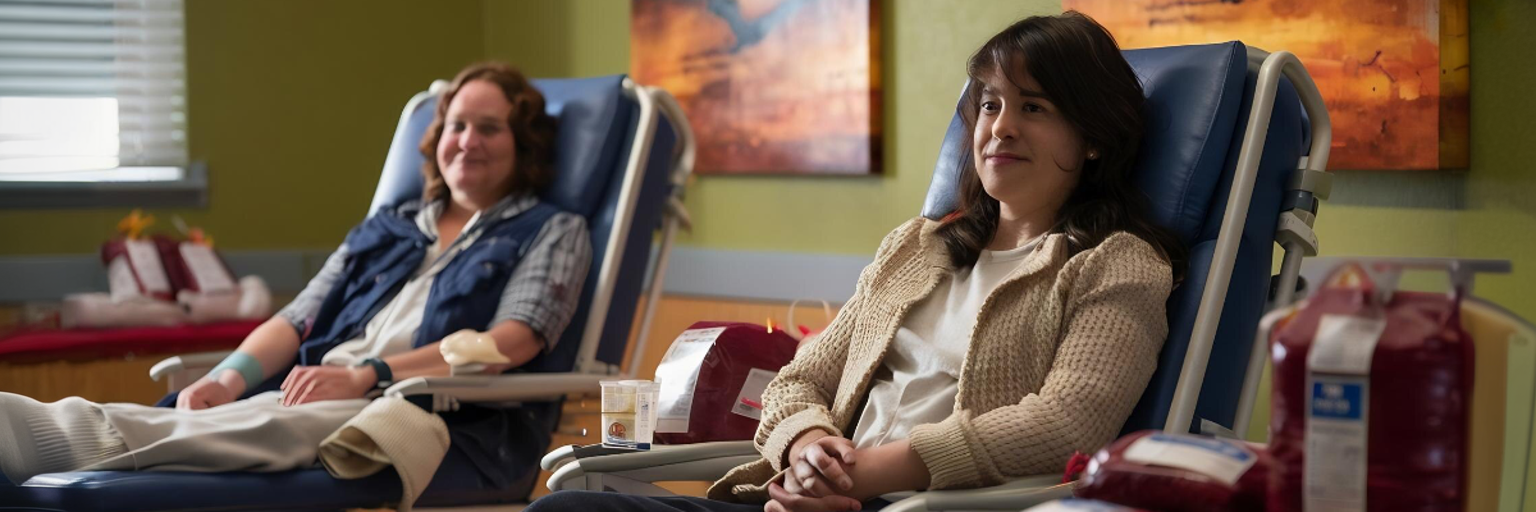
Receiving a diagnosis of kidney failure is a life-altering event that can bring about a wave of uncertainty and fear. Much of this anxiety stems from pervasive dialysis myths that circulate among patients and the general public. These falsehoods can paint a bleak picture of life on dialysis, often discouraging patients from embracing a treatment that is essential for their survival. Distinguishing dialysis facts from fiction is the first step toward reclaiming control over your health. By clearing up kidney treatment misconceptions, patients can approach their care plan with confidence and a positive outlook. This article aims to dismantle these myths and provide the reassuring, evidence-based information you need to navigate your journey.
At Doral Health & Wellness, we are committed to providing our community with clear, reliable medical guidance and state-of-the-art care. Our multidisciplinary team works tirelessly to support patients with kidney disease, offering expert treatment in a compassionate and professional environment.
Separating Dialysis Facts from Fiction
When you or a loved one is facing end-stage renal disease (ESRD), accurate information is your most powerful tool. Misinformation can lead to unnecessary stress and may even impact health outcomes if it causes a delay in treatment.
Myth 1: Dialysis Is a Death Sentence
Perhaps the most damaging of all dialysis myths is the belief that starting dialysis means life is effectively over.
- The Fact – Dialysis is a life-sustaining treatment, not a death sentence. It performs the vital job of filtering waste and excess fluid from your blood when your kidneys can no longer do so. With advancements in medical technology, many people live active, fulfilling lives on dialysis for decades. While it is a serious medical condition, effective management allows patients to witness grandchildren grow, pursue hobbies, and enjoy meaningful time with family.
Myth 2: Dialysis Is Extremely Painful
Many people fear that the process itself is agonizing.
- The Fact – The actual process of filtering blood during dialysis is generally painless.
- Hemodialysis – Patients may feel a brief pinch when the needles are inserted into the fistula or graft, but the treatment itself does not hurt. Numbing creams can be used to minimize the sensation of the needle stick.
- Peritoneal Dialysis – This needle-free option is typically painless as well, though some patients report a feeling of fullness in the abdomen when the dialysate fluid is dwelling.
If you experience pain, it is crucial to speak with a nephrologist in NY or your care team, as this could indicate a complication that needs adjustment, rather than a normal part of the procedure.
Addressing Lifestyle Misconceptions
One of the major sources of anxiety regarding kidney treatment misconceptions is the fear that dialysis will completely strip away a person’s independence and lifestyle.
Myth 3: You Cannot Work or Travel While on Dialysis
The image of a patient tethered to a machine 24/7 is a common exaggeration.
- The Fact – Many dialysis patients continue to work full-time or part-time. Flexible scheduling is often available at centers, particularly if you find a supportive Brooklyn dialysis clinic.
- Work – Employers are often willing to provide accommodations, and home dialysis options can allow for treatments in the evening or overnight, leaving the day free for employment.
- Travel – Travel is entirely possible with advance planning. Dialysis centers are located worldwide. If you are planning a trip, you can search for “dialysis near me” in your destination city and arrange for transient treatment.
Myth 4: You Can Only Eat Bland, Boiled Food
Dietary restrictions are a reality, but the idea that you can never enjoy food again is false.
- The Fact – While you must monitor your intake of sodium, potassium, and phosphorus, a kidney-friendly diet can still be delicious and varied.
- Culinary Creativity – Using fresh herbs, spices, and citrus instead of salt can create vibrant flavors.
- Dietitian Support – Renal dietitians specialize in helping you adapt your favorite recipes. You do not have to starve or eat flavorless food; you simply need to eat smarter.
The Truth About Treatment Options
Patients often believe there is only one way to treat kidney failure, but modern medicine offers choices.
Myth 5: Dialysis Is the Only Option Forever
Some patients believe that once they start dialysis, they will never come off it.
- The Fact – For many, dialysis is a bridge to a kidney transplant.
- Transplant – A kidney transplant is often the preferred treatment for suitable candidates. While waiting for a donor organ, dialysis keeps the body healthy enough to undergo surgery.
- Recovery – In rare cases of acute kidney injury (sudden failure), kidney function may recover enough to stop dialysis. However, for chronic kidney disease, it is typically a long-term maintenance therapy or a bridge to transplant.
Myth 6: Home Dialysis Is Unsafe
There is a misconception that dialysis is too complex to be done safely outside of a hospital.
- The Fact – Home dialysis (both hemodialysis and peritoneal dialysis) is a safe and effective option for many patients.
- Training – Patients and their care partners receive extensive training from nurses before they begin home treatment.
- Support – You are never truly alone; access to a specialized nurse is usually available 24/7 by phone.
- Benefits – Studies suggest that home dialysis can lead to better clinical outcomes and improved quality of life due to the ability to dialyze more frequently or for longer durations.
Finding the Right Care Team
Navigating dialysis facts versus myths is much easier when you have a trusted medical team guiding you. The relationship you build with your doctor is fundamental to your success.
The Importance of a Nephrologist
A nephrologist is a doctor who specializes in kidney care. Finding a qualified nephrologist in NY is essential for managing your condition. They monitor your lab work, adjust your medications, and oversee your dialysis prescription to ensure you are receiving the optimal amount of cleaning.
Choosing a Facility
If you choose in-center hemodialysis, the environment matters. When searching for a “Brooklyn dialysis clinic” or general “dialysis near me,” look for facilities that prioritize patient education and comfort. A good clinic will have:
- Social Workers – To help with insurance and emotional support.
- Dietitians – To assist with meal planning.
- Technical Staff – Who are skilled, patient, and gentle.
If you are currently looking for a “kidney doctor near me,” prioritize providers who take the time to explain your treatment options clearly and who are willing to address your specific fears and questions.
Empowering Yourself Through Education
Knowledge is the antidote to fear. By understanding the reality of your condition and rejecting dialysis myths, you become an active participant in your own care.
- Ask Questions – Never hesitate to ask your medical team to clarify something that sounds frightening or confusing.
- Connect with Others – Support groups for kidney patients can provide invaluable real-world perspective. Talking to someone who has been on dialysis for years can quickly dispel the myth that life stops with diagnosis.
- Stay Proactive – adhere to your treatment schedule and medication regimen. The more compliant you are with your therapy, the better you will feel, proving to yourself that the myths of constant sickness and lethargy do not have to be your reality.
The journey through kidney disease is undeniably challenging, but it is not a journey you have to take in the dark. By busting dialysis myths and embracing dialysis facts, you can approach your treatment with a mindset focused on living, not just surviving. Modern medicine has turned kidney failure into a manageable condition. With the right diet, the right attitude, and the right medical team, you can continue to work, travel, and enjoy the moments that matter most. Do not let kidney treatment misconceptionsdictate your future; rely on the expertise of professionals to guide you toward a healthier tomorrow.
If you need expert advice or comprehensive care for kidney disease, our dedicated team is here to support you. Contact Doral Health & Wellness today at 1-718-365-2555 or visit us at 1797 Pitkin Avenue, Brooklyn, New York 11212.
For general information about Doral Health & Wellness services, you can contact or email info@doralhw.org.