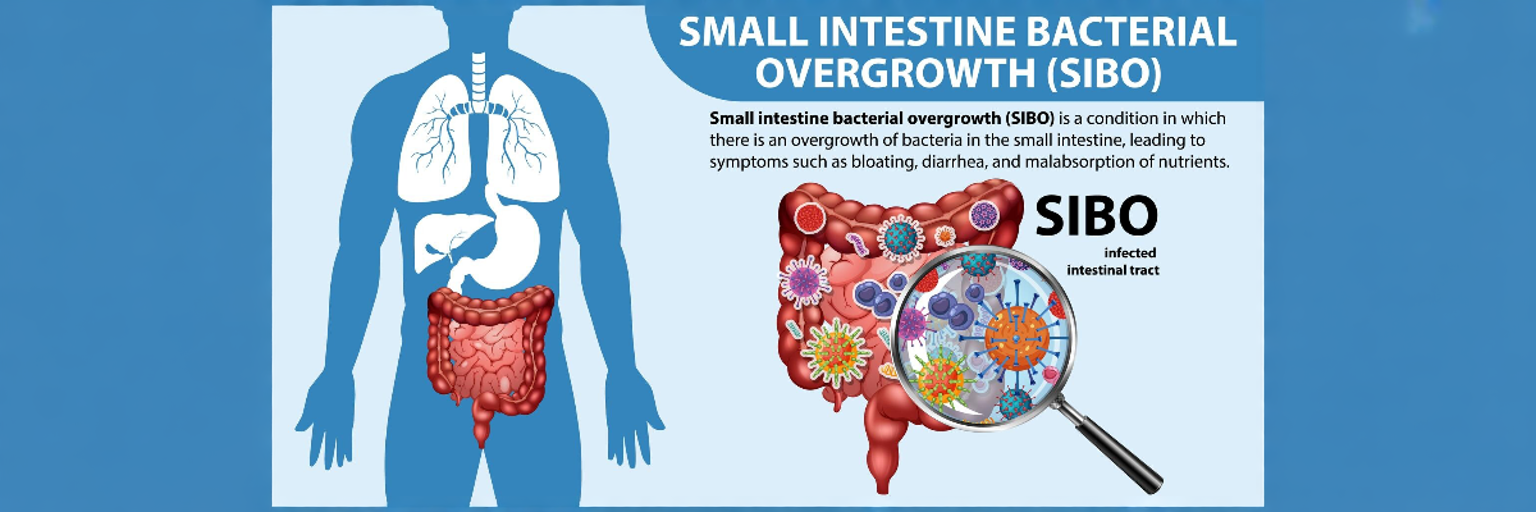
Imagine eating a healthy meal, only to feel like you’ve inflated a balloon in your stomach an hour later. It’s uncomfortable, embarrassing, and exhausting. For many, this isn’t just an occasional reaction to a big dinner; it’s a daily reality caused by a condition known as small intestinal bacterial overgrowth (SIBO). While bacteria are essential for digestive health, they need to stay in the right neighborhood. When they migrate where they don’t belong, they cause chaos. Recognizing SIBO symptoms early is the key to stopping this bacterial invasion from taking over your life.
If you are dealing with unexplained digestive distress, you don’t have to navigate it alone. Doral Health & Wellness specializes in uncovering the root causes of gut issues that others might miss. Our team is dedicated to providing personalized care that targets your specific needs, helping you find relief and get back to feeling like yourself. Don’t let your symptoms go unchecked—reach out for expert support today.
What is SIBO?
Your gut is home to trillions of bacteria, collectively known as the microbiome. Most of these microscopic tenants live in the large intestine (colon), where they help break down food and synthesize vitamins. The small intestine, by contrast, should be relatively clean, with far fewer bacteria.
Small intestinal bacterial overgrowth occurs when bacteria from the colon migrate upward into the small intestine, or when the few bacteria already there multiply uncontrollably. Unlike the large intestine, the small intestine is designed for nutrient absorption, not bacterial fermentation. When too many bacteria set up camp here, they start consuming your food before you can digest it. This fermentation process produces excess gas and toxic byproducts, leading to the severe discomfort associated with the condition.
If you’ve been searching for a gut doctor near me, it’s likely because these disruptions are affecting your daily quality of life. Understanding the mechanics of SIBO is the first step toward effective treatment.
Recognizing SIBO Symptoms
Because SIBO affects the digestive tract, its symptoms often look like other gastrointestinal disorders, such as Irritable Bowel Syndrome (IBS). However, there are specific patterns to watch for.
The Hallmark Signs
- Extreme Bloating – This is often the most common complaint. You might wake up with a flat stomach but look six months pregnant by the end of the day.
- Abdominal Pain – Cramping is common, especially after eating.
- Diarrhea or Constipation – The type of bacteria present often dictates this. Hydrogen-producing bacteria tend to cause diarrhea, while methane-producing organisms (now classified as IMO, or intestinal methanogen overgrowth) often cause constipation.
- Excessive Gas and Belching – A direct result of fermentation.
Systemic Effects
SIBO doesn’t just stay in the gut. It can affect your whole body.
- Nutrient Deficiencies – The bacteria steal your nutrients, leading to low iron or Vitamin B12.
- Fatigue and Brain Fog – Toxins released by bacteria can enter the bloodstream, making you feel tired and unfocused.
- Weight Loss – In severe cases, the body cannot absorb enough calories.
If these SIBO symptoms sound familiar, seeing a Brooklyn gastroenterologist is crucial for a proper diagnosis.
What Causes SIBO?
The body has several natural defenses to keep the small intestine relatively bacteria-free. SIBO develops when these defenses fail.
- Slow Motility
Your small intestine has a cleaning wave called the migrating motor complex (MMC). It sweeps through every 90 minutes between meals to push bacteria and food debris into the colon. If this wave is slow or stops, bacteria linger and multiply. Conditions like diabetes or hypothyroidism can slow this process down.
- Structural Issues
Physical changes in the gut can create pockets where bacteria can hide and breed.
- Scar tissue – From previous surgeries (like C-sections or appendix removal).
- Diverticulosis – Small pouches in the small intestine.
- Low Stomach Acid
Stomach acid acts as a gatekeeper, killing bacteria before they enter the small intestine. Chronic use of acid-suppressing drugs (PPIs) or aging can reduce acid levels, allowing bacteria to survive and pass through.
Understanding these underlying causes is vital for digestive health. A specialist providing gastrointestinal care in NY will look beyond the symptoms to find out why the overgrowth happened in the first place.
How is SIBO Diagnosed?
You cannot diagnose SIBO with a standard endoscopy or colonoscopy alone. It requires specific testing to detect the gases produced by the bacteria.
The Breath Test
This is the gold standard for diagnosis. You will drink a solution containing sugar (lactulose or glucose). If bacteria are present in the small intestine, they will ferment this sugar rapidly, releasing hydrogen or methane gas. These gases are absorbed into your bloodstream and exhaled. By measuring the gas levels in your breath at specific intervals, a gastroenterologist near me can confirm the presence of SIBO.
Treatment Options: Clearing the Overgrowth
Treating small intestinal bacterial overgrowth is a three-part process: eliminate the bacteria, address the underlying cause, and repair the gut.
- Antibiotics
The most common medical treatment is a course of antibiotics.
- Rifaximin (Xifaxan) – This antibiotic stays in the gut and is not absorbed into the bloodstream, making it very effective for hydrogen-dominant SIBO with fewer systemic side effects.
- Neomycin or Metronidazole – Often added if constipation-causing methane gas is present.
- Herbal Antimicrobials – For patients who prefer a natural approach or don’t tolerate antibiotics well, herbal protocols can be effective. These often use concentrated oils like oregano, berberine, or neem. However, these should always be taken under the supervision of a doctor.
- Diet – Diet alone rarely cures SIBO, but it manages symptoms during treatment. The Low FODMAP diet is frequently prescribed. It reduces fermentable carbohydrates that feed the bacteria, starving them and reducing gas production.
Preventing Recurrence
The hardest part of SIBO isn’t getting rid of it—it’s keeping it away. Recurrence rates are high if the root cause isn’t fixed.
To maintain your digestive health:
- Meal Spacing – Wait 4–5 hours between meals to allow the cleansing wave (MMC) to work. Snacking stops this process.
- Prokinetics – Your doctor may prescribe medication to stimulate gut motility and keep things moving.
- Stress Management – Stress shuts down digestion. Deep breathing before meals can help activate your “rest and digest” mode.
If you are worried about relapse, finding consistent gastrointestinal care in NY is essential. A long-term partnership with a provider ensures you have support if symptoms return.
When to Seek Professional Help
Trying to treat SIBO with probiotics or random supplements can often make things worse. Adding more bacteria to an overfilled system is like throwing gasoline on a fire.
You should search for a gut doctor near me if:
- You have taken probiotics and felt worse.
- You have been diagnosed with IBS but treatments aren’t working.
- You have chronic low iron or B12 despite a good diet.
- Your bloating is painful and affects your daily life.
A qualified Brooklyn gastroenterologist can guide you through the testing and treatment maze, ensuring you don’t waste time on ineffective remedies.
Small intestinal bacterial overgrowth is a complex condition, but it is not a life sentence. By recognizing the unique SIBO symptoms and understanding how they impact your overall digestive health, you can advocate for the care you need. Whether it involves antibiotics, dietary changes, or motility support, the right treatment plan can clear the fog and settle the storm in your stomach. Don’t let rogue bacteria dictate your diet or your day.
If you are ready to get to the bottom of your digestive issues, contact Doral Health & Wellness today at 1-718-365-2555 or visit us at 1797 Pitkin Avenue, Brooklyn, New York 11212. Our expert team is ready to help you restore balance to your gut.
For general information about Doral Health & Wellness services, you can contact or email info@doralhw.org.