Ejection fraction measures the percentage of blood your heart pumps out with each beat. A normal range is typically 55% to 70%. What an EF under 40% means for daily life is that your heart is not pumping as efficiently as it should, which can lead to fatigue, shortness of breath, and the need for closer monitoring by a cardiologist.
Hearing that your ejection fraction is below 40% can feel frightening. You may be wondering what this number means for your energy, your independence, and your future. Those questions are normal, and you deserve clear answers.
This guide walks through what ejection fraction numbers mean, how a reading under 40% may affect your daily routine, and when it makes sense to talk with a cardiologist about next steps.
What Are Ejection Fraction Numbers?
Ejection fraction (EF) measures how much blood your left ventricle pumps out with each heartbeat. It is expressed as a percentage. A healthy heart typically pumps between 55% and 70% of the blood in the ventricle with every beat.
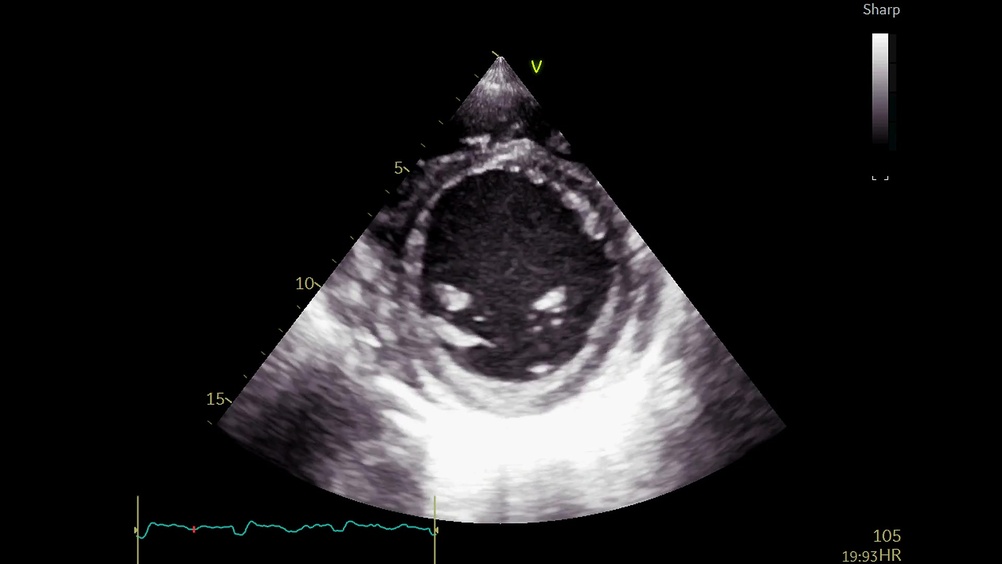
Your cardiologist calculates this number using imaging tests like an echocardiogram. It is one of the clearest windows into how well your heart muscle is functioning.
Understanding the Ranges
- 55% to 70%: Normal heart function.
- 40% to 54%: Slightly below normal, sometimes called borderline.
- Below 40%: Reduced ejection fraction, often linked to heart failure.
An EF under 40% tells your care team that your heart is working harder than it should to move blood through your body.
What an EF Under 40% Means for Daily Life
Living with a lower ejection fraction does not mean giving up the activities you love, but it does mean paying closer attention to your body’s signals.
You may notice:
- Fatigue that lingers. Everyday tasks like climbing stairs or carrying groceries can feel more tiring than they used to.
- Shortness of breath. This can happen during activity or even while resting.
- Swelling in your legs or feet. Fluid buildup is common when the heart cannot pump as efficiently.
- Changes in sleep. Some people need to prop themselves up with extra pillows to breathe comfortably at night.
None of these changes mean you are powerless. Many people with a reduced ejection fraction adjust their pace, follow a heart-healthy plan, and continue living full, active lives with the right support in place.
When Should You Talk to a Cardiologist?
You do not need to wait for symptoms to worsen before reaching out. A cardiologist can help you understand your specific numbers and what they mean for your health, not just the general ranges.
Consider scheduling a visit if you notice:
- New or worsening shortness of breath
- Swelling that does not go away
- Unexplained weight gain over a few days
- A heart rate that feels irregular or unusually fast
Your cardiologist can also help you build a plan that includes medication, lifestyle changes, and regular monitoring so small changes do not turn into bigger problems.
How a Cardiology Clinic in Brooklyn Can Support You
Managing a reduced ejection fraction is easier when you have consistent, nearby care. A cardiology clinic in Brooklyn can offer the testing and follow-up visits needed to track your heart function over time, without long trips across the city.
Choosing a cardiology clinic in Brooklyn close to home also means your family can join you at appointments, ask questions, and stay informed. That kind of support matters just as much as the medical care itself.
Taking the Next Step for Your Heart
Understanding your ejection fraction numbers is not about dwelling on fear. It is about gaining clarity so you can make informed choices about your care. If you have questions about what an EF under 40% means for your daily life, our Cardiology team is ready to listen and guide you through what comes next.
Reach out to us today by calling +1-718-367-2555 or visiting us at 1797 Pitkin Avenue, Brooklyn, NY 1121 to schedule a consultation. Your heart and your peace of mind deserve steady, personal care.